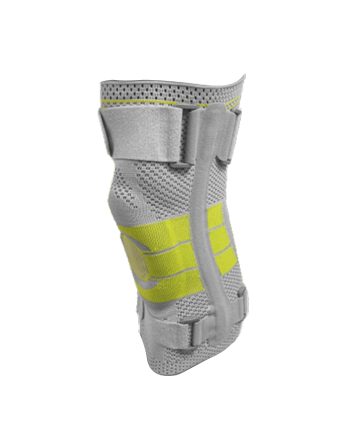
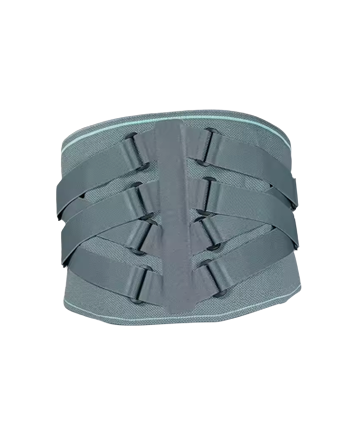
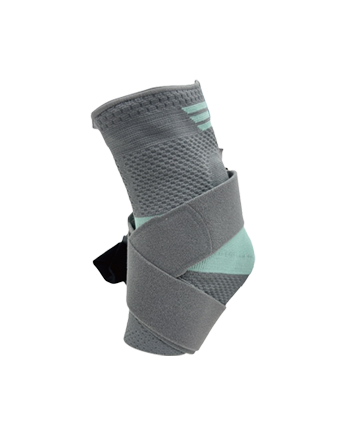
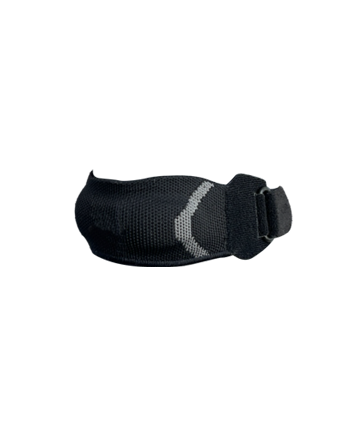
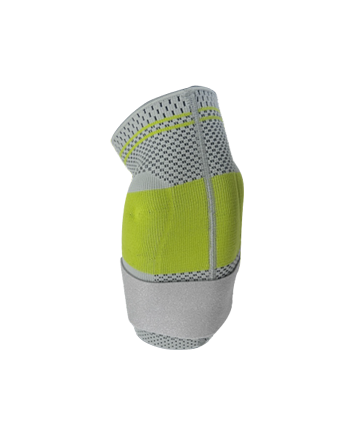
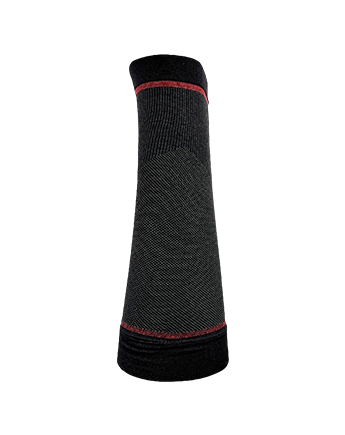
A knee sleeve may feel stable when put on, yet repeated movement can create a different challenge throughout a workout. Walking, bending, squatting, climbing, and other everyday actions continually change the position and shape of the knee area during use.
During these movements, fabric stretches and returns, skin moves against the sleeve, and the garment may experience repeated pulling from different directions at once. A sleeve that can't manage these changes may gradually shift, roll at the edge, or lose its intended position after just a few reps.
This is why wearing stability is a genuinely important part of Knee Sleeves design from the very start. The goal isn't simply making a sleeve stay tight, but creating a fit that can follow repeated movement without constantly drifting away from its intended position.
For a Knee Sleeves Factory, this involves several connected details that work together rather than in isolation. Fabric behavior, sleeve shape, edge construction, sizing, and overall fit can all influence how well the product remains in place during repeated activity.
The knee is rarely still during everyday movement, even during something as ordinary as climbing stairs. It bends and straightens repeatedly, while the surrounding skin and clothing also change position with every step.
Every change creates a small amount of movement between the sleeve and the leg underneath it. When these small shifts happen repeatedly over dozens of reps, the sleeve can gradually travel away from its original position.
| Movement Factor | Possible Effect on Sleeve Position |
|---|---|
| Repeated bending | Changes the shape of the sleeve area |
| Leg extension | Creates fabric movement |
| Skin movement | Can affect contact between sleeve and leg |
| Friction | May encourage gradual shifting |
| Repeated stretching | Can change how the sleeve sits |
The direction of movement can also vary quite a bit depending on the activity. A sleeve may move downward during repeated bending, while another may gradually rotate around the leg instead.
These changes aren't always obvious at the beginning of an activity session. A sleeve may appear secure during the initial fitting and only begin to shift after repeated movement builds up over time.
Understanding this difference is genuinely useful when evaluating product design from a manufacturing standpoint. Positional retention needs consideration throughout movement, rather than only when the sleeve is standing still on a shelf.
Fit is closely connected with positional retention in a way that's easy to underestimate. A sleeve needs to sit closely enough against the leg to remain in place, while still allowing the knee area to move naturally through its full range.
If the sleeve is too loose, movement between the fabric and leg may become a lot more noticeable during activity. If it's excessively tight, the wearer may adjust it repeatedly, because the garment doesn't feel natural during movement.
| Fit Consideration | Relationship to Position |
|---|---|
| Sleeve shape | Helps follow the leg |
| Overall fit | Influences movement between fabric and skin |
| Edge placement | Affects where the sleeve settles |
| Size selection | Changes how closely the sleeve sits |
| Fabric stretch | Allows adaptation during bending |
The shape of the sleeve also matters a great deal in this equation. A knee isn't a simple straight section of the leg, so a sleeve needs to account for changes around the joint itself.
A well-considered fit can reduce unnecessary movement without relying on any single feature to do all the work. The sleeve should remain familiar to the wearer, as the knee changes position throughout a session.
This becomes especially important during activities involving many repeated bends, like squats or lunges. Each individual movement may be small on its own, but the accumulated effect can reveal whether the sleeve genuinely remains stable.
For manufacturers, fit should therefore get considered as a moving condition, rather than a fixed measurement locked in on paper. The product needs to maintain its intended position as the wearer changes posture again and again.
Fabric needs to move with the wearer, but it also needs to return toward its original shape after movement ends. This balance can genuinely influence how a sleeve behaves during repeated bending throughout a workout.
A fabric with easy stretch can move with the body without much resistance during use. However, if it does not return to its original shape properly afterward, the sleeve may gradually feel less secure with continued wear.
| Fabric Behavior | Possible Influence |
|---|---|
| Flexible stretch | Allows movement with the leg |
| Shape recovery | Helps the sleeve return after stretching |
| Consistent elasticity | Supports a more stable fit |
| Surface friction | Can influence sliding |
| Fabric thickness | Affects how the sleeve responds to bending |
A fabric with suitable stretch and recovery can adapt to movement while helping the sleeve maintain its overall shape session after session. The way fabric behaves can also change around different parts of the knee itself.
One section may stretch more when the knee bends deeply, while another remains closer to its original shape throughout the motion. This makes fabric selection closely connected with sleeve construction as a whole, rather than a separate decision made later.
A Knee Sleeves Factory may therefore examine not only how a fabric feels when new off the roll, but also how its shape changes after repeated stretching and repositioning. The objective is maintaining a predictable wearing experience, rather than simply creating a sleeve that feels tight at the very beginning.
The edges of a knee sleeve experience repeated contact with the leg throughout every activity. During bending, the upper and lower sections may get pulled in genuinely different directions at the same time.
If the edge doesn't remain stable, it may begin to roll or fold in on itself. Once this happens, the rest of the sleeve can gradually change position along with it.
| Edge Area | Design Consideration |
|---|---|
| Upper edge | Needs to remain stable during leg movement |
| Lower edge | Helps maintain the sleeve's position |
| Seam area | Should handle repeated stretching |
| Edge finish | Influences how the sleeve settles |
A stable edge doesn't necessarily mean a rigid edge that feels stiff against the skin. Excessive stiffness can actually make the sleeve behave differently from the surrounding fabric, creating an uneven feel.
The edge needs to work together with the rest of the sleeve as one connected piece. If the body stretches easily but the edge behaves differently, the transition between the two areas can become genuinely noticeable during movement.
Manufacturers can examine how the edge behaves during repeated bending, rather than evaluating it only when the sleeve is laid flat on a table. This approach helps identify whether rolling or gradual movement comes from the edge itself or from the relationship between the edge and the rest of the garment.
The shape of a sleeve determines how fabric gets distributed around the knee joint. A design that follows the general form of the leg can behave genuinely differently from a simple cylindrical sleeve cut straight across.
During movement, the front of the knee changes shape while the surrounding areas move in different directions at once. The sleeve needs to accommodate these changes without creating unnecessary folds or empty areas that bunch up.
| Shape Consideration | Possible Effect |
|---|---|
| Knee contour | Helps follow joint movement |
| Upper leg transition | Influences sleeve placement |
| Lower leg transition | Helps maintain alignment |
| Fabric distribution | Can reduce unwanted folds |
| Seam placement | May affect movement around the joint |
A suitable shape can help keep the fabric closer to the body, as the knee bends and straightens through a normal range of motion. The sleeve doesn't need to remain completely unchanged during movement to work well.
Some visible fabric movement is genuinely natural and shouldn't raise concern on its own. The important point is whether the sleeve returns to a useful position after the movement is completed, which is where shape and fabric behavior work together.
For Custom Knee Sleeves, shape becomes an especially relevant design consideration worth spending time on. Different users or applications may require changes in how the sleeve follows the leg, and customization should therefore consider positional behavior, not simply appearance on a design sheet.
Friction occurs whenever surfaces move against each other during activity. In a knee sleeve, this can involve the inner fabric and skin, or the sleeve and another layer of clothing worn underneath.
Some friction can help reduce unwanted sliding during a workout. Too much friction, however, may cause the sleeve to pull against the skin or create genuinely uncomfortable movement that distracts the wearer.
| Contact Condition | Possible Result |
|---|---|
| Stable fabric contact | Can help reduce sliding |
| Low contact resistance | May allow easier movement |
| Excessive friction | Can create pulling during movement |
| Changing contact conditions | May affect positional consistency |
The relationship needs to remain genuinely balanced rather than tipping too far in either direction. Moisture can also change how surfaces interact during a longer session, whether from sweat or environmental humidity.
During extended activity, the condition of the skin and fabric may not remain the same as when the sleeve was initially fitted at home. This means positional retention can change throughout use, and a sleeve that feels stable in a dry condition may behave differently after repeated movement and changing surface conditions.
Material choice, fabric structure, and fit therefore need consideration together rather than separately. No single contact characteristic determines how well the sleeve remains positioned through an entire session.
Repeated bending creates a genuinely useful way to observe how a sleeve behaves over time rather than in one snapshot. A product may remain stable during a few movements but gradually shift after many repeated actions build up.
The direction of movement can provide useful clues about the design itself. Downward movement may indicate that the lower section isn't maintaining its position, while rotation may suggest that the sleeve isn't following the leg shape consistently.
| Observed Movement | Possible Area to Examine |
|---|---|
| Downward sliding | Fit or lower edge |
| Upward movement | Fit or upper edge |
| Edge rolling | Edge construction |
| Rotation | Sleeve shape or fabric behavior |
| Local folding | Shape or fabric distribution |
Different movement patterns can reveal genuinely different issues worth tracking separately. These observations are useful for product development, because they connect visible behavior with specific areas of construction.
A Knee Sleeves Factory can use repeated movement checks to examine whether a sleeve maintains its intended placement throughout a normal activity cycle, like a full training session. The purpose isn't eliminating every small fabric movement entirely.
Instead, the focus is on whether the product remains reasonably stable and returns to its intended position during continued use. That distinction matters a lot when setting realistic quality standards.
A new sleeve and a frequently used sleeve may not behave in exactly the same way after months of wear. Repeated stretching, washing, folding, and storage can gradually change the condition of the fabric and edges over time.
If the material loses some of its original shape recovery, the sleeve may not return to its earlier fit as readily as before. Changes around seams or edges can also affect how the garment settles on the leg during a workout.
| Repeated Use Factor | Possible Effect |
|---|---|
| Stretching | May change fabric behavior |
| Washing | Can affect material condition |
| Folding | May create repeated creasing |
| Storage | Influences how the sleeve retains its shape |
| Continued wear | Can reveal gradual fit changes |
Regular product care can genuinely influence how these changes develop over the life of the product. Manufacturers can consider these conditions when developing products intended for repeated use, rather than evaluating the sleeve only on its appearance when new.
Consumers also need to follow the care instructions provided with the product to maintain consistent performance. Proper washing and storage can help preserve the intended condition of the fabric throughout regular use.
For a Custom Knee Sleeves product, repeated-use considerations can be especially relevant, when the design has been adjusted for a particular application or sport. Changes in shape or material should still get assessed through ordinary handling and movement rather than assumed to hold up automatically.
Positional retention can get evaluated through several parts of the product, rather than through one isolated feature in isolation. Manufacturers can look at fit, movement, edge behavior, fabric recovery, and changes after repeated use as connected pieces of one picture.
A practical development process can include different stages of observation worth running through in sequence. Static fitting can show how the sleeve sits before movement begins, while repeated bending can reveal gradual changes in position over a longer session.
Edge inspection can show whether rolling or folding develops around the boundary, and movement comparison can reveal whether the sleeve rotates or slides during activity. Repeated-use checks can then show whether the original fit changes over time after washing and storage cycles.
These checks can help connect product construction with actual wearing behavior in a way that's genuinely practical. They also provide a clearer basis for adjusting the sleeve shape or material selection before mass production begins.
For a Knee Sleeves Factory, consistency between production batches is another consideration worth tracking closely. A small difference in fabric behavior or edge construction can change how a sleeve feels and moves, even if it looks identical on the shelf.
Quality inspection can therefore include a lot more than appearance checks alone. Checking the relationship between fabric, seams, edges, and overall shape can help maintain a consistent product structure across every batch produced.
Different users may move in genuinely different ways, so a single sleeve shape may not suit every application equally well. Custom Knee Sleeves allow manufacturers to consider specific wearing conditions during product development rather than relying on one generic template.
Customization may involve the overall shape, fabric selection, compartment-like support zones, edge structure, or placement of seams within the garment. These changes can influence how the sleeve responds, when the wearer bends, straightens, walks, or changes direction during activity.
| Customization Area | Wearing Consideration |
|---|---|
| Sleeve shape | Follows the intended leg position |
| Fabric selection | Responds to repeated movement |
| Edge design | Helps maintain placement |
| Seam location | Influences fabric movement |
| Overall fit | Affects positional retention |
The important consideration is how the different parts work together as one system rather than as isolated features. A customized product should still get evaluated under the movements expected in its intended setting, whether that's a gym floor or a job site.
A design that remains stable during one type of movement may behave genuinely differently, when the movement pattern changes to something else entirely. This makes customization a process of matching product structure with actual wearing conditions, rather than adjusting appearance alone.
Appearance can get adjusted as part of the process, but positional behavior remains a genuinely important practical consideration throughout. For manufacturers and buyers, examining the sleeve as a moving garment provides a clearer understanding of why some designs remain in place while others gradually shift.
Fit, fabric behavior, edge construction, sleeve shape, surface contact, and repeated-use conditions all contribute to the way Knee Sleeves maintain their position during continued movement. Each factor plays its own part, but the real test only shows up after the sleeve has been through a genuine workout, not just a fitting session in front of a mirror.
Steriger is a national high-tech enterprise specializing in the R&D and production of high-quality sports supports, medical braces, and sports compression socks.
Copyright © Zhejiang Steriger Sports Medicine Technology Co., Ltd.
The information provided on this website is intended for use only in countries and jurisdictions outside of the People's Republic of China.

Approval No: 浙金药监械生产备20200039号

 English
 Español
 Deutsch
 عربى
عربى Français