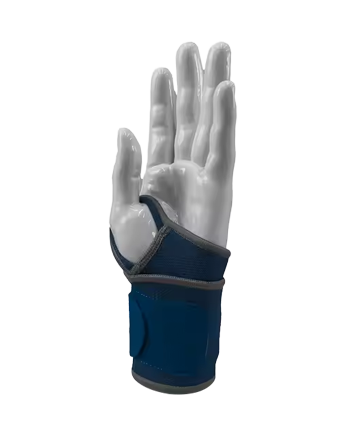
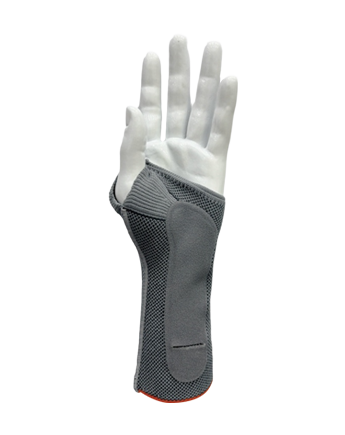
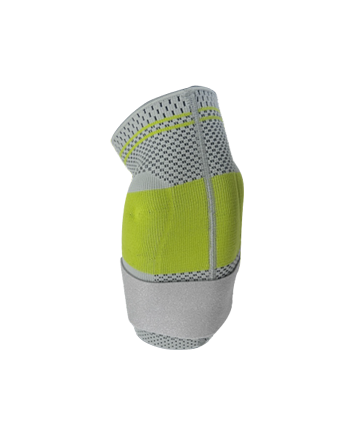
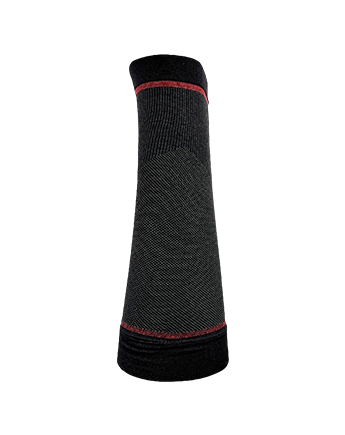
Wrist support products get used by people with genuinely different hand and wrist shapes, from a slim office worker to a broad-handed warehouse packer. A support that feels comfortable on one person may feel loose, tight, short, or restrictive on another person entirely. This difference makes size adaptation a genuinely important part of wrist support design. The challenge isn't simply making a product larger or smaller like scaling a photo. Designers also need to consider flexibility, coverage, fastening, movement, and how the support interacts with the hand and forearm together. A Compression Wrist Support Sleeve may need to stretch naturally around different wrist shapes while maintaining a comfortable fit throughout the day.
A Heavy Duty Wrist Support may require a more structured adjustment approach when users expect additional stability during demanding activities like lifting or repetitive tool use. Manufacturers serving different markets also need to think about how products can accommodate varied user groups without creating unnecessary complexity on the production line. For buyers, understanding these design choices can make it a lot easier to evaluate wrist support products for personal, workplace, fitness, or distribution needs.
Wrist size influences how a support sits around the joint throughout a normal day. A product that's too loose may move during normal hand activity, sliding around while someone types or lifts.
A product that's too tight may feel uncomfortable and restrict natural movement right when it's needed most. The shape of the wrist also matters because circumference isn't the only difference between users out there.
Some people have broader wrists, while others have narrower profiles that a generic mold might miss. The length of the hand and forearm can also influence where a support naturally sits once it's worn for a while.
A useful design therefore needs to consider the relationship between the wrist, hand, and lower forearm as one connected system.
| User Difference | Possible Design Consideration |
|---|---|
| Narrow wrist | Secure fit without excessive pressure |
| Wider wrist | Sufficient room and flexible adjustment |
| Different wrist shapes | Adaptable contact area |
| Shorter forearm | Suitable support length |
| Longer forearm | Appropriate coverage |
Sizing becomes a lot more important when a product is expected to serve many users at once, like in a shared toolbox at a warehouse. A single fixed shape may not accommodate every person equally well. This is why adjustable and flexible construction can be genuinely useful in products intended for broader applications.
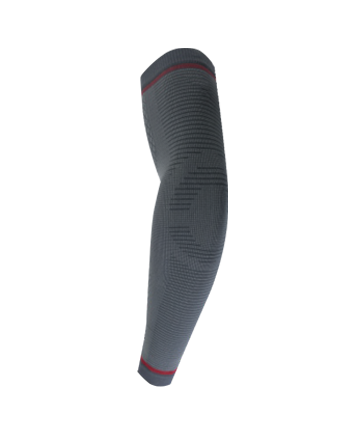
A Compression Wrist Support Sleeve typically relies on flexible material to follow the shape of the wrist as it moves. The material needs to stretch enough for users to pull the sleeve on without making the product feel loose during normal movement afterward.
This creates a balance between flexibility and stability worth getting right. If the material stretches too easily, the sleeve may not remain in the desired position after an hour of typing.
If it doesn't stretch enough, users may find it genuinely difficult to put on or remove at the end of a shift. The design can also use different levels of flexibility across different areas of the sleeve.
A more flexible section can allow movement around the hand near the knuckles, while another section can provide a closer fit around the wrist itself. The opening shape can also affect how easily the sleeve accommodates different users pulling it on in the morning.
A carefully designed opening can make the product a lot easier to put on while reducing unnecessary pulling on the material over time.
| Sleeve Feature | Adaptation Role |
|---|---|
| Stretchable fabric | Follows different wrist shapes |
| Flexible opening | Makes wearing easier |
| Elastic structure | Supports a closer fit |
| Extended coverage | Connects wrist and forearm areas |
| Soft contact area | Supports everyday wearing comfort |
The goal isn't making the sleeve feel identical for every single user who tries it on. The goal is providing enough flexibility for natural differences in wrist size, while keeping the product stable during intended use. This approach can make a sleeve a lot more practical across a wider range of users pulling it from the same shelf.
Coverage determines how much of the wrist and surrounding area the support actually touches. A shorter product may focus mainly on the wrist joint itself. A longer design may extend farther toward the forearm, covering more ground.
Neither approach automatically suits every application someone might have in mind. The appropriate coverage depends on how the support is intended to be worn and what type of movement the user expects during the day.
Different wrist sizes can also change how the coverage actually feels once it's on. A product that reaches a comfortable position on one person may sit quite differently on another person with a longer forearm.
For this reason, designers need to consider the relationship between product length and wrist shape together. The transition between the wrist and forearm is particularly important to get right.
A support that ends at an unsuitable location may feel restrictive or may shift during activity, riding up or sliding down. A broader contact area can sometimes help distribute the feeling of support across the surrounding area more evenly.
That said, adding more material doesn't necessarily create a better user experience on its own. The design needs to remain practical for the intended activity, not just generously sized.
| Coverage Style | Possible Application Focus |
|---|---|
| Wrist-focused | Everyday support and light activities |
| Wrist-to-forearm | Broader contact area |
| Compact design | Easy movement and portability |
| Extended design | Activities requiring additional coverage |
The right coverage can therefore depend on both the user's body shape and the activity being performed that day. Designers should avoid treating wrist size as a single measurement pulled from a chart. The entire wearing area needs consideration together.
Adjustment is one of the simplest ways to make a wrist support more adaptable to whoever's wearing it. Instead of relying entirely on stretch, an adjustable design allows the user to change the fit according to their own personal needs.
Fastening systems can provide this flexibility in a fairly straightforward way. A user can place the support around the wrist and adjust the fastening section until the product feels secure without becoming unnecessarily tight partway through a shift.
The adjustment area should also be easy to handle without fumbling. People may need to loosen the support when removing it and tighten it again before starting another activity later.
If adjustment requires excessive effort or two hands to figure out, users may simply not bother making changes when needed.
| Adjustment Method | Practical Benefit |
|---|---|
| Hook-and-loop fastening | Allows repeated adjustment |
| Elastic section | Provides flexible fit |
| Wraparound structure | Adapts to different wrist shapes |
| Adjustable strap | Helps control overall tightness |
| Multiple fastening positions | Provides fit flexibility |
Adjustment is especially useful when a product gets shared among users, which happens more often than people expect. A workplace may have several people using similar support products across different shifts. A fitness facility may also need products that accommodate different hand and wrist sizes coming through the door. A flexible fastening system can make the same general design a lot more adaptable across all of them. The adjustment should still follow the product's intended use, though. A support shouldn't get tightened beyond what's appropriate simply to make it feel more secure than it needs to.
The phrase Heavy Duty Wrist Support often suggests a product intended for demanding activities or repeated use over a long shift. Such products may need to provide a more structured wearing experience while still allowing users to adjust the fit as needed.
Different users can place genuinely different demands on the same support throughout a workday. A warehouse worker may need freedom for repeated handling tasks like moving boxes all day.
A fitness user may want a more secure feeling during selected exercises like deadlifts. Another user may need support while performing routine manual work like assembly line tasks.
These differences make adjustability genuinely valuable across the board. A heavy-duty design can use a combination of flexible and more structured sections, rather than making the entire product rigid from wrist to forearm.
The flexible areas can follow natural wrist movement during a grip or twist. The support areas can remain positioned around the intended part of the wrist without shifting. The fastening system can then help users adapt the overall fit to their own hand.
| User Type | Potential Design Priority |
|---|---|
| Manual worker | Stable fit during repeated movement |
| Fitness user | Secure adjustment during selected activities |
| Warehouse worker | Flexible handling |
| General user | Comfortable everyday fit |
| Frequent wearer | Durable construction and simple adjustment |
The balance between support and movement remains genuinely important here. A stronger construction doesn't need to eliminate flexibility entirely. Good design considers where stability is useful and where natural movement should remain available for the wearer. This can make a heavy-duty support a lot more adaptable without turning it into an overly complicated product nobody wants to fuss with.
The term China Wrist Support can refer to wrist support products manufactured for a broad range of domestic and international applications alike. Manufacturers serving different markets may need to consider differences in user preferences, sizing systems, activity types, and product expectations across regions.
A product intended for one market may not automatically fit the preferences of another market halfway around the world. Manufacturers can therefore work with buyers to identify the intended user group before finalizing product details on the line.
Sizing options can get organized around different wrist ranges pulled from real measurement data. Adjustment features can also reduce the need for an excessive number of fixed sizes cluttering a catalog.
The material choice may change depending on whether the product is intended for daily wear, work, fitness, or another application entirely.
| Manufacturing Consideration | Why It Matters |
|---|---|
| Size range | Supports different user groups |
| Adjustable structure | Provides greater fit flexibility |
| Material selection | Influences stretch and wearing feel |
| Coverage design | Determines contact area |
| Fastening method | Allows fit adjustment |
| Intended activity | Guides overall product construction |
Communication between the buyer and manufacturer proves particularly useful for customized orders that need to hit specific marks. The buyer can explain the target market, expected use, preferred coverage, and general fit requirements up front. The manufacturer can then consider how those requirements affect construction on their end. This approach can reduce the risk of selecting a design based only on appearance in a sample photo. It also gives manufacturers a clearer understanding of how the finished support will actually get used.
A Wholesale Wrist Support purchase requires attention to a lot more than the product's general appearance on a sell sheet. Buyers may need to supply products to customers with genuinely different wrist sizes and activity preferences across a whole territory.
A narrow size range may not suit a diverse customer base spread across different job sites. At the same time, offering too many fixed sizes can make storage and inventory management a lot more complicated for a warehouse team.
Adjustable products can provide another option worth considering here. A single design may accommodate a broader group when the fastening and material structure allow users to change the fit themselves.
Buyers should also consider how easily customers can understand the adjustment method once the product's out of the box. A product can have useful adjustment features but still create problems if users don't know how to position them correctly.
Clear product instructions can help quite a bit here. Packaging information can also explain the intended use and general fit characteristics for anyone reading the box.
| Buyer Question | Why Consider It? |
|---|---|
| Who will use the product? | Helps define the suitable design |
| Are users likely to have varied wrist sizes? | Indicates the need for adaptability |
| Is adjustment required? | Helps determine fastening needs |
| How much coverage is appropriate? | Influences product shape |
| Will the product be used frequently? | Affects material and construction choices |
| Is the product shared? | Makes easy adjustment more relevant |
Wholesale buyers can also examine the consistency of products across an order before committing to a large run. The support should have a reasonably consistent construction, so customers receive a similar product experience batch to batch. Fit remains personal, but manufacturing consistency can still matter quite a bit for repeat business.
Flexibility allows a wrist support to respond to movement, rather than acting like a completely fixed structure strapped on for the day. The wrist changes position constantly during ordinary activities, whether at a desk or on a loading dock.
The hand may bend, rotate, grip, release, or move repeatedly within a single minute. A support needs to accommodate these movements according to its intended use, not fight against them.
Material flexibility can help the product remain in contact with the wrist while allowing appropriate movement throughout the day. Construction flexibility can also matter quite a bit here.
A support with different sections can be designed so each area performs a specific role in the whole. One part may provide stretch near the knuckles. Another may help maintain position along the wrist bone. Another may form the fastening connection that holds everything together.
This combination can create a genuinely more adaptable product than using one material or structure throughout the entire piece.
| Flexibility Area | Design Role |
|---|---|
| Wrist section | Follows natural movement |
| Opening | Helps with wearing and removal |
| Forearm area | Adjusts to different shapes |
| Fastening section | Allows fit changes |
| Edge area | Supports comfortable contact |
Flexibility should still have a clear purpose behind it, not just exist for its own sake. Too much movement can cause the support to shift around during a task. Too little movement can make it uncomfortable during normal activity like typing or lifting. The intended user and application should therefore guide the amount and location of flexibility built into the design.
A wrist support needs to fit the user without making the product difficult to wear from morning until night. Size, flexibility, coverage, and adjustment all influence that balance together, pulling in different directions sometimes.
Changing one feature can influence another in ways that may not be clear right away. For example, increasing coverage can affect how the product bends around the forearm during a grip.
Adding a stronger fastening system may improve adjustment but could also increase the amount of material sitting around the wrist. A more flexible fabric may make the product easier to wear but may require additional design attention to prevent unwanted movement later in the day.
These relationships show why wrist support design isn't based on size alone, no matter how tempting that shortcut looks. A useful design considers the entire wearing experience from start to finish. The product should be easy to put on, simple to adjust, stable during intended movement, and suitable for the user's daily routine at work or home.
Different product categories can then emphasize different priorities depending on who's buying. A Compression Wrist Support Sleeve may focus on flexible contact around the wrist for everyday tasks. A Heavy Duty Wrist Support may place greater attention on adjustable stability for demanding work. A China Wrist Support product may get developed for specific regional or export-market requirements tied to a particular buyer. A Wholesale Wrist Support buyer may focus on size adaptability across a broader customer group spread across many job sites.
The same basic design principle applies across all these situations. Wrist support should respond to real differences between users, instead of assuming every wrist has the same shape off one mold. When designers consider size, coverage, flexibility, adjustment, and intended activity together, the product can become a lot easier to fit into a wider range of everyday situations people actually face.
Steriger is a national high-tech enterprise specializing in the R&D and production of high-quality sports supports, medical braces, and sports compression socks.
Copyright © Zhejiang Steriger Sports Medicine Technology Co., Ltd.
The information provided on this website is intended for use only in countries and jurisdictions outside of the People's Republic of China.

Approval No: 浙金药监械生产备20200039号

 English
 Español
 Deutsch
 عربى
عربى Français