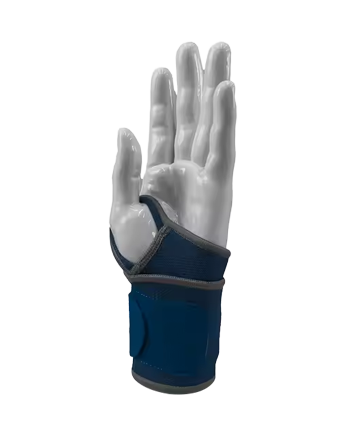
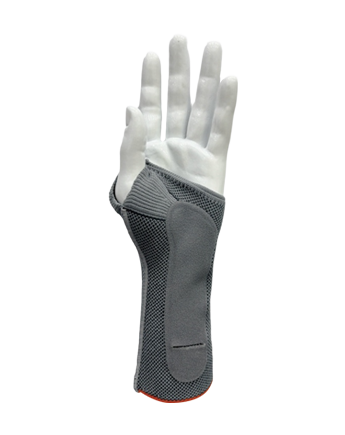
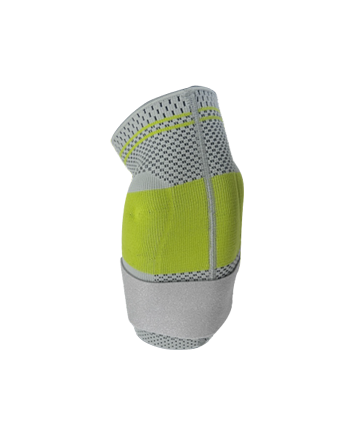
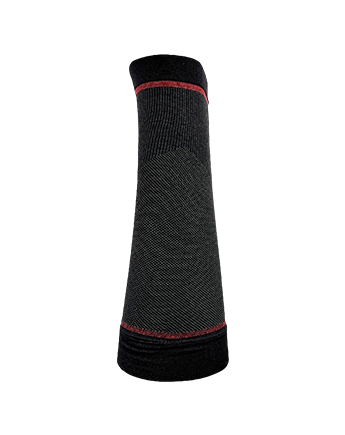
A wrist support may look straightforward lying flat on a table, but its design gets a lot more complicated once the hand actually starts moving. The wrist bends during lifting, rotates while handling objects, changes position during gripping, and repeats similar movements over and over during work or exercise.
These actions place genuinely different demands on the material, shape, fastening areas, and overall structure of the support. This is why movement deserves consideration early, when developing a Heavy Duty Wrist Support meant for real use rather than a display shelf.
A support designed around one fixed hand position may feel completely different once the user starts reaching, turning, gripping, or repeating the same task hour after hour. For manufacturers, understanding these movement patterns offers a practical way to connect product design with actual working conditions on a warehouse floor or gym mat.
The goal here isn't stopping normal wrist movement, which would be neither possible nor useful. Instead, the design needs to work with the movements users commonly make, while keeping the product stable and comfortable throughout that use.
The wrist doesn't sit in one position during ordinary activities, even ones that look simple from the outside. Even a task as basic as carrying a box can involve bending the wrist, changing grip pressure, and adjusting the hand as the object shifts in transit.
Repetitive work can create an even more varied movement pattern, since the same actions may repeat many times throughout a shift.
| Wrist Movement | Design Consideration |
|---|---|
| Bending | Allow suitable flexibility |
| Rotation | Avoid unnecessary restriction |
| Gripping | Maintain a stable fit |
| Reaching | Prevent unwanted movement |
| Repetitive motion | Support consistent wearing comfort |
These movements can also show up together in the same few seconds. A worker may bend the wrist while gripping a tool, then rotate the hand before returning to the starting position. An athlete may hold equipment while changing wrist direction mid-set during a training movement.
Someone at a desk job may make smaller movements repeatedly over a much longer stretch of the day. A useful design therefore needs to account for movement patterns, rather than treating the wrist as a joint that just sits still. This perspective can shape everything from material placement to fastening design from the earliest sketch.
Bending ranks among the common wrist movements a support has to deal with. The hand can move toward the forearm or away from it, depending entirely on the task at hand.
A support that doesn't account for this movement may shift, fold, or create uncomfortable pressure once the wrist changes position mid-task. Designers need to consider where the support should bend along with the wrist and where it should stay relatively stable instead.
Flexible areas can allow movement while other sections provide a more consistent fit around the joint. The transition between these areas matters quite a bit, since an abrupt change in material behavior can affect how the product actually feels during use.
| Bending Situation | Design Focus |
|---|---|
| Reaching forward | Maintain comfortable movement |
| Lifting an object | Keep the support positioned |
| Holding equipment | Balance flexibility and stability |
| Repeated bending | Reduce unnecessary shifting |
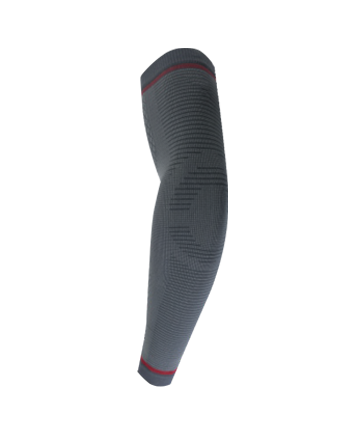
A Compression Wrist Support Sleeve may use a flexible construction that follows changing wrist positions while staying in contact with the surrounding skin. The design still needs to avoid creating excessive pressure as the wrist moves through different angles throughout the day.
This becomes particularly relevant once the product is meant for extended wear during a long shift. A support may feel comfortable while the hand sits still but turn distracting if the material keeps folding into the same spot during repeated movement. Movement testing can therefore surface design issues that a simple visual inspection on a table would never reveal.
Rotation creates a different kind of challenge, since the hand can turn while the forearm stays relatively still. This happens during plenty of ordinary actions, including turning a door handle, moving a tool, opening a jar, and handling objects on a shelf.
The support needs to stay connected with the wrist while letting the hand change direction naturally, without fighting the motion. If the material shifts too much during rotation, the user may end up needing to reposition it constantly.
Repeated repositioning can get genuinely inconvenient during a work shift. Designers can therefore examine how the support behaves as the wrist rotates in different directions during actual tasks.
The location of seams, elastic sections, and fastening areas can shape how the product responds to that twisting motion.
| Rotation Pattern | Design Question |
|---|---|
| Turning the hand | Does the support move with the wrist? |
| Repeated rotation | Does the fit remain consistent? |
| Rotation with gripping | Can the material accommodate combined movement? |
| Changing direction | Does the support shift or fold? |
A Heavy Duty Wrist Support intended for active use needs to consider these combined movements, rather than getting tested only in a straight, neutral wrist position on a bench. Rotation also shows why material flexibility matters so much in practice.
A rigid structure may stay stable in one fixed position but turn restrictive once the hand actually turns. A flexible structure may move more naturally but need careful control over its shape to avoid excessive shifting during that turn. The design challenge comes down to finding a workable balance between these two competing needs.
Gripping changes the relationship between the hand and wrist in ways that aren't always obvious at glance. When someone holds an object, the position of the hand can influence how the wrist ends up positioned as well.
The wrist may stay relatively straight during one task and bend slightly during another one right after it. Grip pressure can also shift as the object gets heavier, smaller, larger, or simply harder to manage in the hand.
A support should therefore get designed around realistic gripping situations pulled from actual work, not a relaxed hand on a lab table. A product that works well while the hand sits loose may behave quite differently once the fingers actually engage tightly around an object.
| Gripping Activity | Product Design Consideration |
|---|---|
| Tool handling | Allow repeated hand movement |
| Carrying | Maintain stable positioning |
| Exercise equipment | Accommodate changing wrist angles |
| Manual assembly | Support frequent hand adjustments |
| Everyday gripping | Avoid unnecessary interference |
The fastening area deserves particular attention during gripping tasks. As the hand moves, tension around the wrist can shift noticeably from one moment to the next. A fastening system that feels secure in one position may feel completely different once the wrist bends or rotates mid-grip. This is why designers should examine the support while the hand is genuinely performing the intended task, not sitting idle. Static measurements alone rarely reveal how the product actually behaves during real movement on the job.
Repetition changes the whole design challenge in a way that's easy to underestimate. A movement that feels harmless when done once can become a lot more noticeable once it repeats throughout an entire work session.
The product itself also takes on repeated bending, stretching, friction, and adjustment across that same stretch of time. This creates two related concerns worth separating out.
The support needs to stay comfortable for the wearer while also holding its intended shape through repeated handling. A Heavy Duty Wrist Support may therefore need materials that can tolerate regular movement without becoming unnecessarily rigid in the process.
| Repetitive Action | Design Concern |
|---|---|
| Repeated gripping | Material movement around the wrist |
| Repeated bending | Folding and pressure points |
| Repeated rotation | Shifting during directional changes |
| Frequent adjustment | Fastening wear |
| Repeated removal | Stress around attachment areas |
Repetition also makes small design problems a lot harder to ignore. A seam that felt slightly uncomfortable at can become genuinely distracting after many repeated movements over a shift. A fastening section that's awkward to adjust can turn frustrating once users need to remove or reposition the support regularly throughout the day. Manufacturers can therefore evaluate comfort as an ongoing experience over time, rather than a single moment of trying something on. This approach can reveal exactly where the product needs more flexibility and where it needs greater stability instead.
The wrist doesn't move independently from the rest of the hand, no matter how the design treats it. The position of the fingers, palm, and thumb can all influence the overall posture the hand settles into.
A relaxed open hand creates one type of wrist position. A closed fist creates a genuinely different one right next to it.
Holding a tool, typing at a keyboard, carrying a bag, or using exercise equipment can each produce different combinations of wrist and hand movement throughout a day. This means a support designed around a single posture may not behave the same way once the activity changes.
| Hand Posture | Possible Design Focus |
|---|---|
| Open hand | Maintain comfortable movement |
| Closed hand | Avoid unnecessary pressure |
| Tool grip | Remain stable during handling |
| Extended fingers | Allow natural wrist adjustment |
| Repeated hand position | Preserve consistent contact |
A Compression Wrist Support Sleeve can get shaped around these changing postures by letting the material move with the hand, rather than treating the wrist as some isolated area cut off from everything around it. The relationship between the palm and wrist matters quite a bit whenever the product extends beyond the wrist joint itself.
A support that reaches too far into the hand may interfere with certain movements the wearer needs to make freely. A shorter design may offer more freedom but behave differently once serious gripping starts. The right balance really depends on the activity the support is actually meant for.
Supporting movement doesn't necessarily mean piling on more structure everywhere. Additional material can change flexibility, weight, heat retention, and how the product actually feels against the skin during a long wear.
Manufacturers therefore need to decide where support genuinely helps and where freedom of movement should stay intact instead. A practical design may use different material characteristics across different sections of the same piece.
Flexible areas can follow movement naturally, while more stable areas can help keep the product in position on the wrist. The transition between these sections should feel natural during actual use, not like two different products stitched together.
| Design Area | Movement-Related Question |
|---|---|
| Wrist section | Does it follow normal movement? |
| Palm area | Does it interfere with gripping? |
| Fastening area | Does it remain stable during rotation? |
| Edge section | Does it fold during bending? |
| Material transition | Does it change comfort during movement? |
This approach proves useful for both everyday and demanding applications alike. A China Wrist Support manufacturer serving different markets may also need to account for varied user activities, rather than designing around one narrow movement pattern and hoping it fits everyone. Different users can end up wearing near-identical products while performing genuinely different tasks all day. The product should therefore get developed around its intended application and expected movement, rather than around appearance alone sitting on a shelf.
Wholesale buyers often serve multiple customer groups at once, each with their own routines. A single product category may end up used by warehouse workers, fitness enthusiasts, hobbyists, or people performing repetitive daily tasks at a desk.
Their movement patterns can differ quite a bit from one group to the next. A Wholesale Wrist Support product range may therefore need variations in structure, material feel, fastening style, or coverage to address these different applications properly.
The important point is connecting each design choice with an actual use situation, rather than a generic assumption. A support built for repetitive hand work may prioritize flexible movement above everything else. A product for strength training may place more attention on stable positioning during heavy gripping. A lighter sleeve may suit users who just need some support during routine daily activities.
| User Group | Movement Pattern | Design Direction |
|---|---|---|
| Manual workers | Repeated gripping and bending | Flexible and stable construction |
| Fitness users | Gripping and rotation | Secure movement support |
| Office users | Smaller repetitive movements | Lightweight wearing experience |
| General users | Mixed daily movements | Balanced flexibility |
For a Wholesale Wrist Support buyer, this movement-based approach can make product evaluation a lot more practical day to day. Instead of asking only what the support looks like on a shelf, buyers can consider how it actually behaves during the activities their own customers perform. This can also help manufacturers communicate product differences more clearly on a spec sheet. A product designed for one movement pattern shouldn't get presented as suitable for every possible activity without real evidence backing that claim. Clear descriptions help buyers match the product with its actual intended use.
Movement testing can reveal how a wrist support behaves well beyond a stationary fitting on a mannequin hand. Designers can observe bending, rotation, gripping, reaching, and repeated hand movements to spot areas where the product shifts or turns uncomfortable.
Those observations can then feed changes to material placement, shape, fastening, or edge construction in the next revision. The process doesn't require every design to become more complicated than it needs to be.
In plenty of cases, a small change in where a flexible section begins or where a fastening point sits can shift how the support responds to movement quite noticeably. Manufacturers can also compare different hand postures side by side during development.
A product that stays comfortable during an open-hand position may need adjustment once the user forms a tight grip around something. A design that works well during bending may behave quite differently once rotation gets added into the mix. These differences hand over genuinely useful information about how the support interacts with real movement.
For manufacturers and buyers alike, the broader consideration is how the product behaves throughout the whole activity, rather than at one single point in time on a fitting room floor. Compression Wrist Support Sleeve, Heavy Duty Wrist Support, China Wrist Support, and Wholesale Wrist Support products can all get shaped by these movement considerations once their intended applications are clearly defined from the start. The connection between movement and design becomes especially important once wrist supports are expected to stay stable through repeated bending, rotation, gripping, and changing hand postures throughout a working day.
Steriger is a national high-tech enterprise specializing in the R&D and production of high-quality sports supports, medical braces, and sports compression socks.
Copyright © Zhejiang Steriger Sports Medicine Technology Co., Ltd.
The information provided on this website is intended for use only in countries and jurisdictions outside of the People's Republic of China.

Approval No: 浙金药监械生产备20200039号

 English
 Español
 Deutsch
 عربى
عربى Français