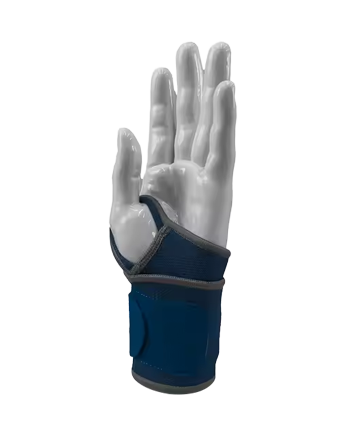
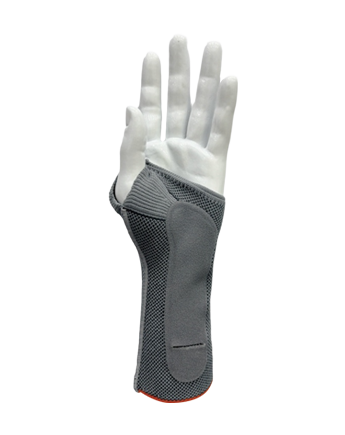
Modern desk work has changed how people actually use their hands throughout the day, and the Compression Wrist Support Sleeve is becoming part of workplace conversations around comfort, repeated keyboard use, and increasingly flexible working habits. What used to be a niche sports accessory is showing up in office drawers and laptop bags for reasons that have nothing to do with athletics. A High Precision CNC Lathe provides controlled cutting, but the resulting accuracy still depends greatly on how the workpiece is positioned and supported before machining begins. Remote workers deal with a similar situation, though their setups tend to be a lot less standardized, since a laptop can end up on a proper desk, a kitchen table, a shared workspace, or some temporary spot for an afternoon. This shift has pushed more attention toward workplace accessories that fit different environments without turning daily routines into something complicated. Wrist support is no longer tied only to sports or physically demanding jobs, since its use now connects to computer work, repetitive office tasks, and just plain personal comfort preferences that vary from person to person.
Computer-based work involves repeated small hand movements rather than the occasional large movement someone might make lifting a box, and this creates a genuinely different pattern of daily wrist activity. Typing involves frequent finger movement while the wrist stays positioned near the keyboard, while mouse use introduces its own repeated pattern that can continue for hours without much variation. The problem isn't simply the number of movements someone makes in a day. Desk height, keyboard position, mouse placement, seating habits, and individual working styles all shape how a person actually experiences a work session, sometimes more than the task itself does. A wrist support therefore needs to fit naturally into the existing workstation rather than getting in the way of ordinary computer use.
| Workplace Activity | Wrist Support Consideration |
|---|---|
| Keyboard work | Comfortable movement during typing |
| Mouse use | Freedom for repeated hand movement |
| Document handling | Flexible support during task changes |
| Digital drawing | Movement without unnecessary restriction |
| Remote meetings | Easy adjustment between activities |
The growing variety of office tasks also means one employee might move between typing, writing, reading, video meetings, and other activities within the same afternoon. This creates real demand for support products that can adapt to changing hand positions, rather than something built around one fixed activity and nothing else.
Long stretches of keyboard use place a lot more importance on comfort, since a support might stay in contact with the wrist for a good chunk of the entire working day. A product that feels perfectly fine for a short task can become genuinely annoying when worn repeatedly hour after hour, especially if the material traps heat, the edges dig in, or the whole thing shifts around during normal movement. Manufacturers therefore need to think carefully about the relationship between support and natural hand movement when developing products aimed at office users. A practical design lets the wrist move freely while still providing that stable feeling around the area that actually needs support.
The fastening method matters quite a bit here too, since office users often need to adjust or pull off the support without interrupting whatever they're working on. A complicated fastening system becomes genuinely inconvenient when someone needs to switch quickly between typing and grabbing a coffee mug. The material should also feel right against skin and clothing, since office users may wear the product for hours at a stretch rather than just a quick session. These details show why workplace wrist support increasingly gets shaped by everyday usability, not just raw support strength on a spec sheet.
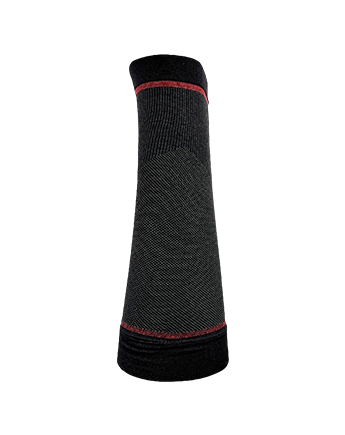
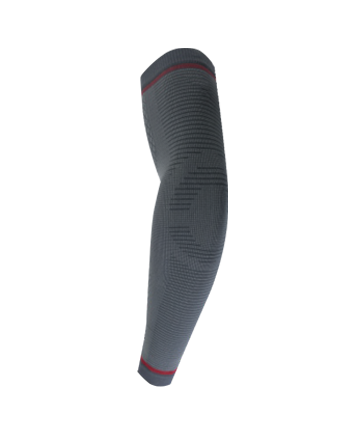
A Compression Wrist Support Sleeve can fit different work routines because its sleeve-style structure works its way into activities involving regular hand movement without much fuss. An office employee might wear support while working at a computer, slip it off during a coffee break, and put it back on when returning to a task requiring extended keyboard time. Remote workers often appreciate a product that travels easily between work locations, since their workstation can look completely different from one day to the next. A sleeve can get used across different desk arrangements, though the overall experience still comes down to the individual product and how well it actually fits the wearer.
| Work Setting | Possible Use |
|---|---|
| Traditional office | Keyboard and mouse tasks |
| Home office | Flexible desk-based work |
| Shared workspace | Portable personal support |
| Co-working area | Temporary workstation use |
| Travel work setup | Short-term computer tasks |
Portability has become a lot more relevant now that people rarely work from one fixed location every single day. A compact support can slip easily into a laptop bag alongside other work accessories and personal belongings whenever employees move between different workspaces during the week. This creates a genuine connection between wrist support design and the broader shift toward flexible working arrangements that's reshaped so many office jobs over the past few years.
Remote work offers a lot more freedom, sure, but it also introduces workstation conditions that are a lot less consistent from day to day. Someone working from home might use a proper dedicated desk, while another person alternates between a dining table, the sofa, or whatever temporary spot happens to be free that afternoon. These arrangements change the position of the keyboard and mouse relative to the body in ways that genuinely matter, which makes adaptability an important consideration for personal comfort.
Wrist support can't fix an unsuitable workstation on its own, but it becomes one piece of a broader approach to comfortable computer use throughout the day. Remote workers also tend to value products that are easy to tuck away once the workday actually ends. A support that stays packed with other work accessories can be genuinely convenient for people who need to clear their kitchen table before dinner, unlike an office desk that stays set up permanently. The blurring line between work and home has created new expectations around portable workplace accessories as a result. Users increasingly look for products that slot into their existing routines, rather than products demanding a whole separate routine just for themselves.
Comfort becomes a lot more noticeable once an accessory stays in contact with the body for an extended stretch of time. A support that feels too tight, too warm, or genuinely annoying to adjust can pull someone's attention away from their actual task, even if the basic function underneath hasn't changed one bit. Designers need to weigh surface feel, flexibility, edge construction, fastening, and overall fit as connected pieces of the same experience, not separate boxes to check off. A softer material feels completely different from a more structured one, and different users end up preferring different things depending on what they're actually doing that day.
| Design Area | Workplace Relevance |
|---|---|
| Surface feel | Affects everyday wearing comfort |
| Flexibility | Allows natural hand movement |
| Edge design | Influences skin contact |
| Fastening | Supports easy adjustment |
| Fit | Helps reduce unnecessary shifting |
Comfort also depends on the surrounding workstation itself, so product design shouldn't get viewed separately from keyboard height, mouse position, seating, and posture. A support can feel noticeably different during typing compared with writing or other hand-intensive tasks someone might tackle during the day. This explains why modern wrist support products increasingly focus on balancing support with freedom of movement, rather than chasing raw strength. The goal isn't simply making a support stronger, since too much restriction can make ordinary workplace tasks a lot less convenient to actually get through.
Heavy Duty Wrist Support stays genuinely relevant in workplaces where employees handle more demanding hand-related activities, even as plenty of modern jobs shift toward digital tasks. Warehousing, repair work, assembly, packaging, and equipment handling all require repeated gripping and movement that differs quite a bit from ordinary computer use at a desk. Some workplaces mix physical and digital tasks together, with an employee moving between material handling and computer-based records during the same shift without much of a break in between. This creates real demand for workplace accessories that fit more than one type of activity at once.
A heavy-duty design tends to focus more on stability and durability, while a lighter office-oriented product leans toward unobtrusive everyday wear instead. The right choice therefore depends on the actual working environment, not just whatever name happens to be printed on the packaging.
| Work Environment | Design Priority |
|---|---|
| Office desk | Comfort during repeated computer tasks |
| Warehouse | Support during frequent handling |
| Assembly area | Flexibility during repetitive work |
| Repair station | Stability during manual tasks |
| Mixed workplace | Adaptability between activities |
This distinction matters a lot for buyers too, since purchasing support for an office environment calls for different considerations than buying for industrial staff on a warehouse floor. A workplace manager needs to think through employee tasks, usage frequency, cleaning requirements, storage, and replacement practices before settling on a product for the whole team. This broader view helps businesses avoid picking products purely on appearance or some vague sense of perceived strength printed on a box.
China Wrist Support production covers a genuinely wide range of designs, since workplace applications keep expanding to include office work, physical jobs, sports-related use, and personal daily activities all at once. Manufacturers serving business buyers often need to adapt materials, fastening systems, packaging, sizing options, and construction according to whatever application the client actually needs. Office-focused products call for a different balance entirely compared with products built for warehouse or industrial environments.
A manufacturer also has to think through how products get packed, transported, stored, and distributed when serving buyers across different countries with different expectations. This matters especially for companies purchasing products for employee use, retail distribution, or workplace supply programs that need to run smoothly month after month. Product consistency shapes business purchasing decisions quite a bit too, since buyers generally expect repeated orders to maintain similar construction and handling characteristics batch after batch. Clear product information helps buyers understand the intended application and care requirements before committing to larger orders.
For manufacturers, understanding the actual workplace scenario provides genuinely useful direction when refining product design and production processes going forward.
A Wholesale Wrist Support purchase requires real attention to the intended user group, rather than simply grabbing a general wrist accessory off a supplier's catalog. An office supply buyer may prioritize comfortable long-term wear, while an industrial buyer places more weight on durability and stability during physical tasks on a shop floor. The purchasing process also involves packaging, sizing, material selection, product consistency, and storage requirements that need thinking through ahead of time.
| Buyer Concern | Practical Question |
|---|---|
| Intended users | Who will wear the support? |
| Work environment | What tasks will they perform? |
| Usage pattern | How often will it be worn? |
| Material | Is it suitable for the intended routine? |
| Packaging | How will products be stored and distributed? |
| Care | How should users maintain the product? |
A clear understanding of the application makes communication between suppliers and buyers a lot more efficient right from the start. It also cuts down the risk of ending up with a product designed for an entirely different type of movement or working condition than what's actually needed. For larger workplace purchases, buyers may want to examine construction details directly, rather than relying only on product descriptions written for marketing purposes. Fastening quality, stitching, material feel, flexibility, and overall handling all shape how a wrist support fits into regular, everyday work.
Flexible work has made the idea of a fixed workstation a lot less common for many employees these days, and personal accessories now need to travel between different locations right alongside them. A worker might start the day at home, continue from a shared office space, and finish up a task from somewhere else entirely before dinner. This pattern makes compact, easy-to-handle products a lot more practical, since employees generally don't want to lug around bulky workplace equipment on top of everything else.
Wrist support can become part of a personal work kit sitting alongside a keyboard, mouse, laptop, charger, notebook, and whatever else someone carries daily. The product shouldn't demand major changes to someone's existing routine, since its real value comes partly from being easy to fold into habits that already exist. A portable support also proves useful for employees splitting their time between desk work and other activities throughout a mixed workday. This broader use pattern pushes manufacturers to think about storage, handling, cleaning, and product appearance right alongside the basic support function itself.
Modern workplace requirements are pushing wrist support manufacturers to treat comfort, movement, portability, and different work environments as connected concerns, rather than separate design problems. Office users may need support through long keyboard sessions, while remote workers need products that move easily between locations without much fuss. Industrial users often require sturdier construction built to hold up under repeated physical strain, and mixed-role employees may need a product flexible enough to handle the switch between computer work and manual tasks in the same shift. These different scenarios shape materials, product shape, fastening methods, packaging, and overall appearance in ways that ripple through the whole design process.
The rise of flexible working also means workplace accessories increasingly get treated as personal equipment, rather than items bolted permanently to one workstation. This shift gives manufacturers plenty of reasons to design products around everyday handling and genuinely varied user routines. For buyers, the practical question is becoming less about whether wrist support belongs in the workplace at all, and a lot more about how its design actually fits the movements, environment, and working habits of the specific people who'll be wearing it every day.
Steriger is a national high-tech enterprise specializing in the R&D and production of high-quality sports supports, medical braces, and sports compression socks.
Copyright © Zhejiang Steriger Sports Medicine Technology Co., Ltd.
The information provided on this website is intended for use only in countries and jurisdictions outside of the People's Republic of China.

Approval No: 浙金药监械生产备20200039号

 English
 Español
 Deutsch
 عربى
عربى Français