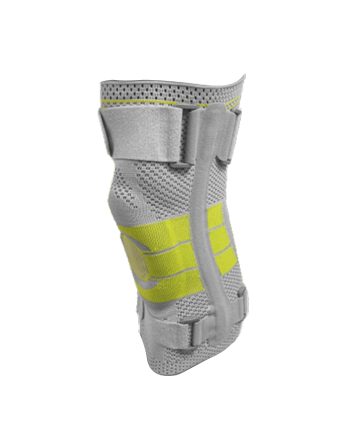
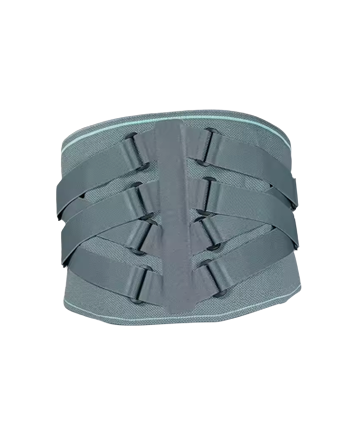
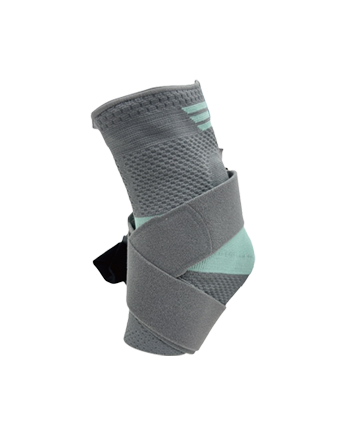
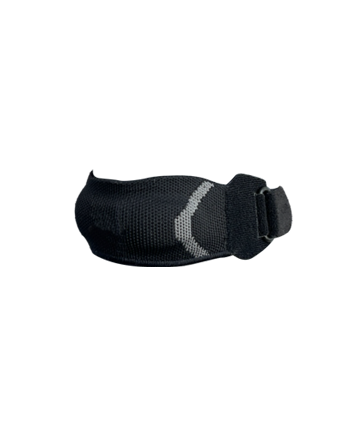
Knee support products stopped revolving around one fixed shape a while back. People carry different leg proportions, different movement habits, different comfort expectations — so a support that feels great on one person can end up feeling completely wrong on someone else with a very similar build.
That's pushed manufacturers toward adjustable designs. Rather than leaning purely on the fabric's shape and stretch, an adjustable structure hands users actual control over how the support sits against the leg.
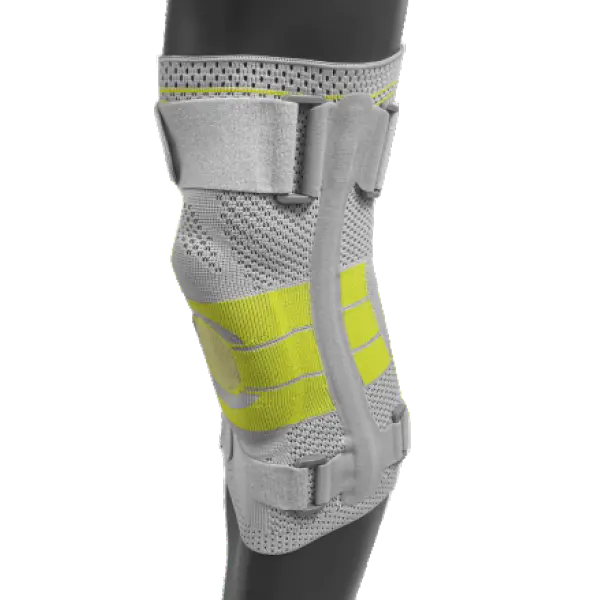
For Thigh Stabilization Knee Pads, this shift touches the whole product design, not just one feature bolted on. The adjustment system has to work in step with the fabric, support zones, fastening method, and however the knee happens to move.
What comes out of that is a product built around fit just as much as support. That changes how manufacturers approach both construction and the actual user experience.
A knee support has to hold a useful position while someone walks, bends, trains, or changes direction mid-stride. Too loose, and it slides around during activity. Too tight, and it just turns uncomfortable fast.
Leg shape varies naturally from person to person, too. Some people have a narrower area right above the knee, others carry a broader thigh. A fixed opening can't always split the difference well enough for everyone.
Adjustability gives manufacturers another lever to pull here.
| User Difference | Adjustable Design Response |
|---|---|
| Thigh shape | Allows fit to be changed |
| Leg size | Provides a more flexible fastening range |
| Activity level | Helps maintain a stable position |
| Movement pattern | Supports different wearing preferences |
| Personal comfort | Allows individual adjustment |
That makes adjustability a lot more than some nice-to-have convenience feature. It becomes baked into the basic product structure itself.
Manufacturers have to figure out where the adjustment mechanism should actually sit, how it interacts with the fabric around it, and how it stays easy enough to use through everyday wear.
Nobody's thigh is a perfectly even cylinder. The shape shifts from one section to the next, and it shifts again slightly whenever the leg actually moves.
A support product, then, needs to follow the leg's real form without piling on unnecessary pressure in any one spot.
An adjustable fastening section lets users dial in position based on their own leg shape specifically. The support stops leaning entirely on some predetermined circumference that may or may not match the person wearing it.
The structure might pull in:
Each piece shapes how the product actually sits against the leg once it's on.
The adjustment method still needs to stay practical, though. Make it too much of a hassle to change the fit, and people just stop bothering with small tweaks even when their activity shifts under them.
A design that actually works balances flexibility against simplicity.
Fit ties directly into how stable the product feels overall. A support that follows the leg naturally has a much better shot at staying put once movement starts.
For Thigh Stabilization Knee Pads, the upper section deserves real attention, since the thigh keeps changing shape through bending and straightening out again.
The product needs to keep pace with that movement without constantly tugging itself away from the leg.
Manufacturers tend to weigh several areas:
| Design Area | Fit Consideration |
|---|---|
| Upper support section | Follows the thigh shape |
| Knee area | Allows natural movement |
| Side structure | Supports positioning |
| Fastening area | Allows fit adjustment |
| Fabric section | Provides controlled flexibility |
A solid fit doesn't mean turning the whole product rigid, either. It means building in just enough structure to hold position while still letting normal movement happen underneath.
That's exactly why adjustable products so often pair flexible materials with more structured support zones.
An adjustable support needs some reliable way of actually staying attached to the leg through everything it goes through.
Different fastening systems create pretty different wearing experiences. Some lean toward quick adjustment on the fly, others focus more on locking a fit into place once it's dialed in.
The fastening method also has to spread tension out across the product evenly. Concentrate pulling force in one small spot, and the fabric bunches up or the whole support starts sliding.
Common design questions tend to include:
Details like these look small during development, sure, but they end up shaping everyday use a lot more than people expect.
The fastening system really needs to feel like part of the whole support, not some feature tacked on afterward.
Elasticity gives a support product room to respond as the leg moves. It stretches with the leg's changing position, then eases back toward its original shape once movement stops.
Adjustability and elasticity, though, play pretty different roles here.
Elastic material handles passive flexibility, while an adjustable fastening system lets the user actually change the fit on purpose, whenever they want.
A design that's balanced well brings both together.
| Feature | Main Function |
|---|---|
| Elastic fabric | Responds to leg movement |
| Adjustable strap | Changes the fit |
| Structured panel | Helps maintain positioning |
| Flexible joint area | Supports movement |
| Fastening section | Keeps the product secured |
Make the fabric too rigid, and it fights natural movement. Make it too loose without enough structure backing it up, and the support just won't stay where it's supposed to.
The design process, then, really needs to think through how elasticity and adjustment actually work together, not as two separate concerns.
Comfort isn't just about how soft something feels. Pressure distribution, movement, heat buildup, fastening position, fabric contact — all of it shapes how a support actually feels once someone's wearing it for a while.
An adjustable structure gives people room to change the fit based on whatever they're actually doing, or just personal preference.
Someone moving lightly through the day probably wants a different fit than someone pushing through a hard training session.
The adjustment mechanism can flex to cover both situations without needing a completely separate product for each one.
Comfort also comes down to how smoothly the support transitions between structured and flexible zones. Sudden shifts create noticeable pressure points, while smoother transitions let the product follow the leg's shape without a fight.
For manufacturers, that means comfort needs baking into structural design from the start, not treated as some afterthought decided purely by fabric choice.
Different activities throw different movement patterns at the knee and thigh.
Walking involves steady, repeated bending and straightening. Exercise brings faster, more varied movement into the mix. A product built for one probably won't feel quite right during the other.
An adjustable structure hands users more control over fit across all these different situations.
| Activity | Design Consideration |
|---|---|
| Walking | Comfortable repeated movement |
| Fitness training | Stable positioning |
| Outdoor activity | Secure fastening |
| Daily use | Easy adjustment |
| Extended wear | Material comfort |
The product needs to allow natural movement while still keeping its support zones sitting where they're supposed to.
That balance is genuinely hard to pull off with a completely rigid design, which is exactly why flexible materials and adjustable structures increasingly get considered together rather than as separate choices.
A Knee Support Manufacturer has to think through the whole product development process when building an adjustable support, not just pick a strap and call it a day.
The design stage runs deeper than choosing a fastening material. Engineers and production teams need to work out how the adjustment mechanism actually interacts with the fabric, support panels, stitching, and the knee's real movement.
Building prototypes helps surface problems that are genuinely hard to spot from drawings alone.
Manufacturers tend to look closely at:
Production methods have to support whatever design gets chosen, too.
Use several layers or multiple fastening sections in one product, and the manufacturing process has to keep every one of those components positioned consistently, batch after batch.
That's exactly why production experience carries real weight when developing adjustable support products.
A Knee Brace Factory often has to rework its production flow when shifting away from a fixed support design toward an adjustable one.
Adjustable products usually carry more individual components. Each one needs consistent positioning so the finished product actually works the way it's supposed to once it's on someone's leg.
The manufacturing process tends to cover fabric cutting, panel assembly, strap attachment, stitching, fastening installation, and a final inspection pass.
Quality checks tend to focus on:
| Inspection Area | Purpose |
|---|---|
| Strap attachment | Checks connection with the main body |
| Stitching | Reviews structural consistency |
| Fastening area | Checks adjustment function |
| Product shape | Confirms overall form |
| Material condition | Identifies visible defects |
| Finished fit | Supports product consistency |
Production organization matters even more once different sizes or adjustment structures start running together on the same line.
Clear production procedures cut down the variation that otherwise creeps in between individual units.
For custom projects, the factory might also need to work straight from customer drawings or agreed-upon product specs.
Adjustability opens up a lot more design room for manufacturers, since the product no longer needs to lean entirely on one fixed shape.
Future designs could mix different fastening systems, fabric structures, support panels, and shaping methods together to cover a wider range of user preferences.
The focus really stays on practical questions: How does the product hold its position? How easily can someone adjust it mid-use? Does the structure actually follow the leg through movement? Can the manufacturing process reproduce the design consistently, run after run?
Questions like these tie product development back to the real conditions people actually wear this stuff in.
For Thigh Stabilization Knee Pads, adjustable design isn't just about stitching on another strap somewhere. It touches the product's shape, the materials chosen, where support areas sit, and how the finished item actually gets manufactured on the floor.
As manufacturers keep exploring different leg shapes and movement patterns, adjustable structures give them another route toward building support products around individual fit, rather than locking everyone into one fixed configuration.
Steriger is a national high-tech enterprise specializing in the R&D and production of high-quality sports supports, medical braces, and sports compression socks.
Copyright © Zhejiang Steriger Sports Medicine Technology Co., Ltd.
The information provided on this website is intended for use only in countries and jurisdictions outside of the People's Republic of China.

Approval No: 浙金药监械生产备20200039号

 English
 Español
 Deutsch
 عربى
عربى Français