Movement-based sports place different demands on the lower body than people may expect until they try them for themselves. A training session might involve repeated squats, lunges, jumps, changes of direction, and controlled landings, one after another. Running asks something different — the legs move through a steady rhythm for a long stretch of time without much variation. Ball sports throw in another layer entirely, since players accelerate, stop, turn, reach, and react to whatever's happening around them on the field or court.
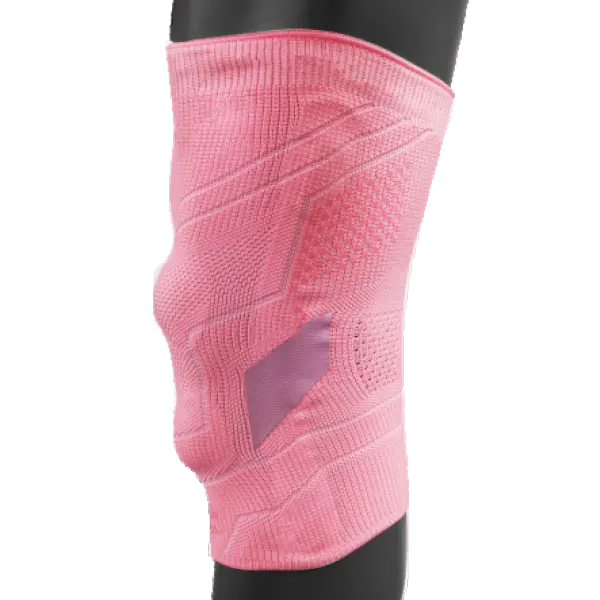
All of that makes knee comfort and positioning a real part of the overall experience, not an afterthought.
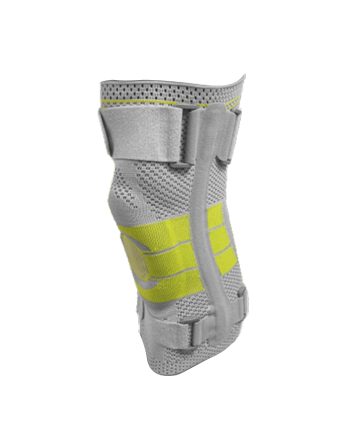
Thigh Stabilization Knee Pads are built to support the knee and upper leg area while letting the wearer keep moving freely. Their value comes from how the different design pieces work together — shape, fastening method, fabric, support structure, and how the whole thing sits against the leg all shape how the product behaves once someone actually starts moving.
For a Knee Support Manufacturer, understanding these factors matters a lot when building products for people who do more than sit or stand still. The product has to stay practical while the body's in motion, not just while it's resting on a shelf.
Static support and movement support aren't the same problem to solve.
Someone sitting in a chair might just need a simple layer of cushioning. Someone running or working through repeated lower body exercises needs a product that actually moves with the leg instead of fighting it.
The knee changes position constantly during activity. The muscles around it change shape too, as the leg bends and straightens over and over. A support product has to hold a useful position without making ordinary movement feel restricted or awkward.
| Activity | Common Movement Pattern | Product Design Consideration |
|---|---|---|
| Running | Repeated leg movement | Stable positioning |
| Squats | Bending and extending | Flexible structure |
| Lunges | Uneven leg positions | Secure attachment |
| Ball sports | Turning and quick movement | Movement-friendly fit |
| Fitness training | Mixed lower body actions | Adaptable support |
That's where thigh stabilization comes into the picture. The upper part of the product helps maintain the relationship between the support and the leg as the wearer shifts position throughout an activity.
Instead of relying only on the small area around the knee itself, the design spreads contact over a broader zone. That can help the product stay stable through ordinary athletic movement rather than sliding or bunching up. What it actually feels like still depends on the specific design, the user’s body shape, the activity, and how well the product fits from the outset.
The thigh section shapes a lot of how a knee pad stays in place.
When the leg bends, the knee's position shifts relative to the thigh above it. A support product that only focuses on a small area around the knee can struggle to hold its intended position once that repeated movement kicks in.
Thigh Stabilization Knee Pads use a wider structure around the upper leg to build a more secure relationship with the wearer's body. The goal isn't locking the leg in place — it's providing support while still letting normal movement happen.
Several design elements feed into that balance.
| Design Element | Possible Function |
|---|---|
| Thigh section | Helps maintain product position |
| Knee area | Provides focused contact |
| Flexible material | Allows natural leg movement |
| Fastening system | Helps keep the product secure |
| Shaped construction | Follows the general form of the leg |
A design that works avoids unnecessary bulk. Athletes need to move naturally through training and competition, and if a support product shifts, folds up, or feels restrictive, attention drifts away from the game or the workout and toward the gear itself.
That's why product designers usually need to think about movement from several angles rather than just checking how something feels while the leg's standing straight.
People's legs aren't all built the same way. Even two people who are roughly the same overall size can have quite different thigh and knee proportions.
An adjustable fastening system gives a practical way to account for some of that variation. The wearer positions the product and secures it based on their own comfort, which matters a lot during activities where movement keeps shifting the leg's position over and over.
| Adjustment Feature | User Consideration |
|---|---|
| Adjustable strap | Allows positioning changes |
| Flexible fastening | Supports different leg shapes |
| Multiple attachment areas | Provides fitting choices |
| Repositionable structure | Makes setup easier |
| Secure closure | Helps reduce unwanted movement |
Adjustment needs to stay simple, though. Someone getting ready for a training session doesn't want to burn ten minutes figuring out how to strap on a knee pad. The fastening system also needs to avoid creating uncomfortable pressure points once the leg starts moving.
For a Knee Brace Factory, that means actually testing the relationship between adjustment range, material flexibility, and product shape under realistic movement — not just on a mannequin standing still. The aim is a fit that works in practice, not adjustment for its own sake.
Materials shape both comfort and how something moves with the body.
A knee support that feels fine while standing around can behave completely differently once someone's running or exercising. Fabric needs to stretch as the thigh changes shape. Padding softens contact between the product and the skin. Flexible sections let the knee bend without pushing back with too much resistance.
The material combination needs to match the activity it's actually built for.
| Material Characteristic | Relevance to Active Use |
|---|---|
| Flexibility | Supports repeated movement |
| Soft surface | Improves skin contact |
| Breathability | Helps manage everyday comfort |
| Shape retention | Supports consistent fitting |
| Durable construction | Handles repeated use |
Material choice also needs to think about how the product gets cleaned and maintained over time. Training gear gets exposed to sweat, constant handling, and frequent washing — a product meant for regular exercise needs care requirements that are actually realistic for someone's routine.
The design should make it obvious how to clean and store the support without damaging it in the process. These details might sound minor, but they decide whether a support product actually fits into someone's active routine or ends up forgotten in a gym bag.
Running produces a repeated movement pattern — the leg swings forward and back while the knee bends and straightens over and over through a run.
Fitness activities are less predictable. A workout might combine squats, step movements, lunges, and other lower-body exercises all in the same session. A support product needs to handle more than one direction of movement to hold up through that kind of variety.
Thigh Stabilization Knee Pads can be built to maintain contact around the knee and thigh while letting the wearer move through all of this. The support shouldn't be treated as a substitute for proper training technique — it's just one part of an athlete's equipment choices, alongside everything else.
| Training Activity | Relevant Product Feature |
|---|---|
| Running | Stable fit during repeated motion |
| Squatting | Flexible bending area |
| Lunging | Secure attachment |
| Strength training | Comfortable contact |
| Warm-up exercises | Easy movement and adjustment |
Different activities change how the product feels too. A runner cares about lightweight handling and staying in place. Someone doing fitness work pays more attention to flexibility while bending. Someone doing mixed exercises needs a balance of both.
Manufacturers can respond by building products around specific activity patterns instead of treating every athlete as one interchangeable group.
Ball sports involve movement that's genuinely hard to predict from one moment to the next.
A player might sprint forward, stop suddenly, cut sideways, spin around, or change direction reacting to another player's move. The lower body has to adapt fast, and that puts real demands on any wearable support riding along for the game.
A knee pad needs to stay in position while the leg swings through different angles quickly. The thigh section helps here by giving an extra area for attachment and positioning, while a flexible structure lets the wearer keep moving naturally through all of it.
The relationship boils down to something simple: a secure fit combined with flexible movement makes for support that's actually easier to use during active play.
The product shouldn't get in the way of running or sudden direction changes. That makes shape and fastening method genuinely important design considerations for manufacturers serving football, basketball, volleyball, tennis, and other sports built around quick, unpredictable movement.
Different sports also come with different product preferences. A player who spends much of a match moving across a court may want a different feel from someone doing repeated training drills in a gym. Product design can reflect those differences honestly, without leaning on unsupported claims about improving athletic performance.
Body shape is one of the real practical challenges in wearable support design.
A single fixed form doesn't sit the same way on every user. Thigh circumference, knee shape, leg length, and how muscle is distributed all affect fit in ways that a single mold just can't account for.
A Knee Support Manufacturer can address some of this through adjustable structures and flexible materials, plus shaped panels that follow the general form of the leg rather than a generic outline.
| User Difference | Possible Design Response |
|---|---|
| Different thigh shapes | Adjustable upper attachment |
| Different knee shapes | Contoured support area |
| Different leg lengths | Flexible positioning |
| Different activity levels | Material and structure variation |
| Different preferences | Adjustable fitting |
The real goal is practical adaptability — making it easy for someone to find a fit that works without a complicated installation process. Clear sizing information helps buyers make better decisions before they've even opened the box.
Manufacturers should avoid suggesting one design magically suits everybody. Fit stays personal, and people should choose products based on their own needs and whatever activity they're actually doing.
A Knee Brace Factory building products for active users has to think through the entire product journey, start to finish.
Design begins with the intended movement, then works through material selection, construction, fastening, inspection, packaging, and the instructions that ship with the product. Every stage along the way affects the final experience.
A product can have a genuinely useful support structure and still be a pain to use if the fastening system is fiddly to adjust. Another product can use comfortable materials and still slide out of position because the attachment design doesn't match the activity it's meant for.
Manufacturing decisions need to stay tied to actual use rather than drift toward whatever's easiest to produce.
| Production Area | Practical Focus |
|---|---|
| Pattern design | Fit around the leg |
| Material selection | Flexibility and comfort |
| Assembly | Secure connection between components |
| Fastening installation | Consistent attachment |
| Surface inspection | Check for visible defects |
| Product testing | Review ordinary movement and handling |
| Packaging | Protect the product before use |
Inspection can include practical movement checks too — examining the product while it's being bent, adjusted, folded, and repositioned, not just laid flat on a table. That catches issues that wouldn't show up otherwise, giving manufacturers a more realistic sense of how the finished product actually behaves once it's out in the world.
Support and freedom of movement sometimes get treated as opposing goals, but good product design has to hold both at once.
Too little structure lets the product itself shift and slide where it shouldn't. Too much rigidity makes ordinary movement feel stiff and unnatural. The real design challenge is finding a workable balance between stability and flexibility rather than maxing out either one.
For Thigh Stabilization Knee Pads, that balance comes from several choices working together. The thigh section provides positioning support. The knee area follows the joint's natural movement. Flexible materials allow bending. The fastening system keeps everything in place. The overall shape avoids unnecessary bulk that would just get in the way.
These pieces work as a system rather than independently.
A support product built for running should feel different from one designed mainly for low-movement situations. Training products need to handle repeated bending and shifting positions. Ball-sport products need to account for sudden direction changes. Everyday fitness products often need to hold up through several different kinds of lower-body exercise inside a single session.
This activity-based way of thinking gives manufacturers a clearer path for building products around actual users, without leaning on broad performance claims that don't hold up under scrutiny.
Steriger is a national high-tech enterprise specializing in the R&D and production of high-quality sports supports, medical braces, and sports compression socks.
Copyright © Zhejiang Steriger Sports Medicine Technology Co., Ltd.
The information provided on this website is intended for use only in countries and jurisdictions outside of the People's Republic of China.

Approval No: 浙金药监械生产备20200039号

 English
 Español
 Deutsch
 عربى
عربى Français