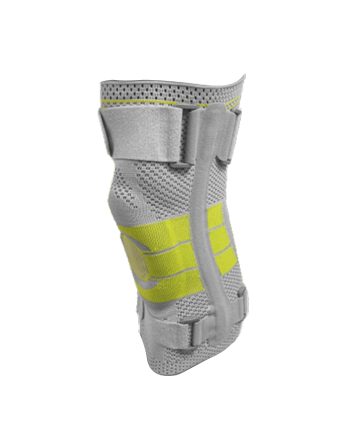
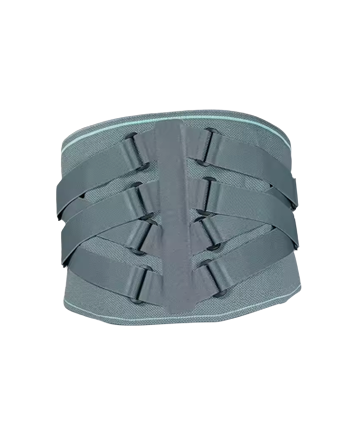
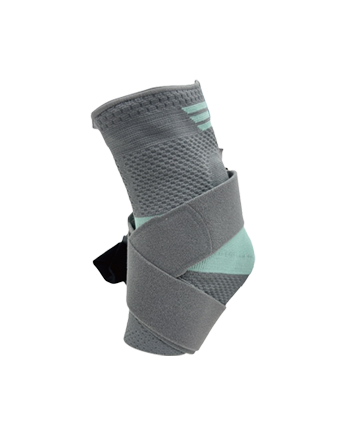
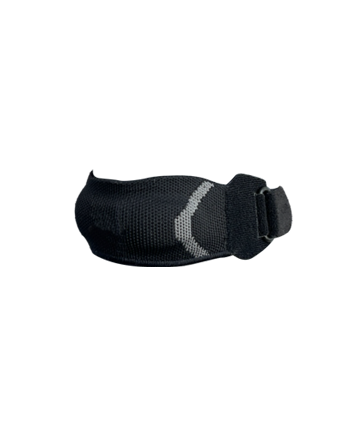
A knee support can feel completely secure at the start of a workout and still end up drifting out of place a few minutes in. The change tends to be pretty obvious once it happens. The pad slides toward the thigh, twists slightly, or just loosens around the knee. Once that starts, the user ends up spending more time fussing with the support than actually focusing on the workout.
Movement is just part of training, of course. Squats, lunges, running, jumping, cycling — all of it keeps reshaping the leg's position over and over. A knee pad needs to move along with that, not just sit tight against skin and hope for the best.
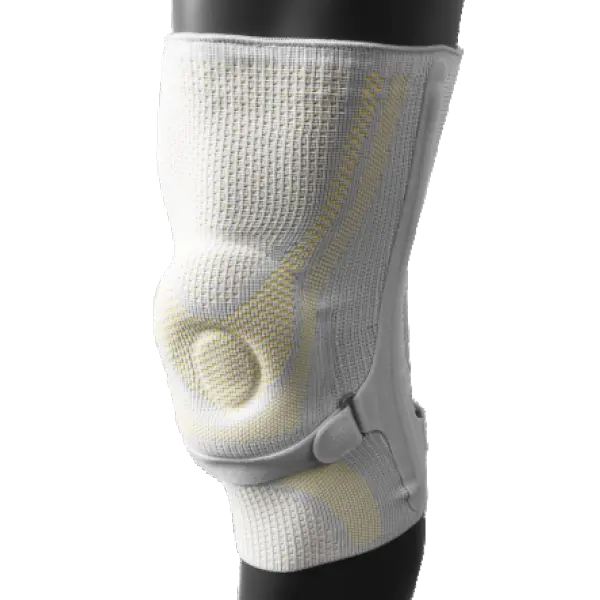
When Thigh Stabilization Knee Pads shift mid-exercise, the cause could trace back to sizing, fastening, material stretch, movement patterns, or how the product's actually built. Looking at these together gives manufacturers and users a clearer sense of why a support might stay put through one activity and slide during another entirely.
Size ties directly into stability. Too loose, and a support moves simply because there's not enough contact with the leg. Too tight, and it turns uncomfortable, which can also push it out of position as the wearer moves around.
Thigh and lower leg shape varies a lot from one person to the next. Even people with roughly the same leg length can have completely different proportions. A product built around some general shape needs enough give built in to handle those natural differences.
Where the pad sits matters too. Place the support too high or too low before exercise even starts, and normal movement gradually drags it further from where it should be.
| Fit Factor | Possible Effect During Exercise |
|---|---|
| Loose fit | May allow sliding |
| Tight fit | Can create discomfort and movement |
| Incorrect placement | May cause gradual shifting |
| Poor shape match | Can reduce contact with the leg |
| Suitable fit | Helps maintain a stable position |
Users should check the fit while standing and also while moving through a few simple motions. A support that feels great standing still can behave completely differently once the knee starts bending over and over.
The fastening system carries a lot of weight in keeping a knee support where it belongs. Different products lean on straps, elastic panels, hook-and-loop closures, sleeves, or some mix of all of these.
A fastening method has to hold things in place without turning adjustment into a hassle. Make the closure too easy to loosen mid-movement, and repeated bending gradually drags it out of position.
Straps behave differently depending on where they actually sit. Put a strap around a section of the leg that moves a lot, and it takes on repeated shifts in tension. That's exactly when the support starts sliding as the leg keeps moving.
A fastening structure that works well needs to hold securely while still letting natural movement happen. Users also need to position fastening points the same way each time. Tighten one side more than the other, and that side moves more than its counterpart.
Manufacturers can test fastening performance during actual movement instead of just relying on how it fits while standing still. That gives a much more realistic picture of how the product actually holds up mid-exercise.
Elastic material lets a support follow the body's changes during movement. That flexibility helps, sure, but how much it stretches, and in which direction, also shapes stability.
Bend the knee, and the fabric around the joint changes shape right along with it. Straighten back out, and the fabric returns toward its original form. Stretch unevenly, though, and the support drifts a little each time the leg shifts position.
Material recovery matters here too. A support that doesn't bounce back to its original shape consistently starts feeling different the more it gets used.
| Material Behavior | Possible User Experience |
|---|---|
| Flexible structure | Allows easier movement |
| Uneven stretch | May encourage shifting |
| Limited recovery | Can change fit over time |
| Balanced elasticity | Supports movement with a stable feel |
| Soft surface | May improve contact comfort |
Material choice, then, really needs to match how the product's expected to move. A support built for walking has different material needs than one meant for deep, repeated knee bending.
The knee never sits still during exercise. Its angle keeps shifting continuously, and the muscles around it keep changing shape right along with the leg.
A support might stay rock solid during simple walking, then shift the moment squats get deep. Running pulls things in a different repeated direction, while side-to-side movement throws its own set of demands at the product.
The wider the range of motion, the more carefully the support structure needs to handle everything happening around the joint.
A few common activities worth thinking through:
A product that performs fine in one activity shouldn't get assumed to behave the same way across every exercise out there.
That's really why movement-based evaluation tells you a lot more than just testing a knee support while someone's standing still.
How a knee pad actually gets worn shapes how it interacts with the body. A sleeve-style product spreads contact around the leg pretty evenly, while a strap-based design tends to lean on specific spots for support instead.
Which way the product goes on matters too. If a support has a shaped upper and lower half, putting it on backward or misplacing it changes how the material sits around the knee entirely.
Folds are another common headache. Let fabric bunch up behind or beside the knee, and the support stops following movement smoothly. Repeated bending after that gradually drags the product out of its intended spot.
Users can head this off by checking the support before starting exercise. The material should lie smoothly against the leg, without unnecessary folds or twisted sections bunching up anywhere.
Manufacturers can also consider how easily users recognize the correct wearing position. Clear structural cues can make everyday use more consistent.
Exercise changes the environment sitting between the support and the skin. As activity keeps going, sweat builds up around the contact area. That shifts how the fabric feels and how well it actually stays put.
Moisture makes some surfaces feel slicker. In other cases, it actually increases friction instead. Which way it goes depends on the material, skin contact, and how the product's built.
This tends to become noticeable during longer sessions. A support that feels stable at the start may gradually shift as moisture builds up on the skin and fabric.
Breathable material helps the overall wearing experience, sure, but ventilation alone doesn't decide stability. Surface texture, elasticity, fastening method, and fit all interact with moisture in their own way.
For product development, testing under realistic exercise conditions helps surface these changes. A support deserves evaluation not just clean and dry, but also after real movement and actual use.
A stable knee support usually comes down to several parts working together. The upper section has to stay connected to the thigh, the lower section needs to stay aligned with the lower leg, and the area around the knee needs enough give to actually move.
Loosen one section too much, and the whole product starts rotating. Make another section too rigid, and it resists movement, dragging the surrounding fabric out of position in the process.
Construction, then, can focus on spreading movement across the whole product rather than letting it concentrate in one spot.
Worth thinking through:
| Construction Area | Design Consideration |
|---|---|
| Upper section | Maintain contact with the thigh |
| Knee area | Allow natural bending |
| Lower section | Help prevent rotation |
| Seams | Avoid unnecessary pressure points |
| Fastening areas | Maintain consistent closure |
| Fabric panels | Follow the changing leg shape |
The goal here isn't just cranking the support tighter. Stability comes from how the whole structure reacts once the wearer actually starts moving.
Product design only tells half the story. How someone actually wears the thing matters just as much.
Put the pad on while the leg's sitting in a different position than the exercise actually calls for, and you end up with an uneven starting point. Straps can also get tightened differently session to session without anyone really noticing.
Clothing throws in its own variable too. Wear a support over thick or loose fabric, and contact with the leg changes. Different clothing materials shift friction between the product and skin in their own ways too.
Common habits that cause trouble:
A quick fitting check before exercise heads off plenty of this. Bend the knee, walk a few steps, confirm the support's actually sitting where it should before diving into more demanding movement.
Stability makes a lot more sense once testing actually reflects real use. A product can look perfectly secure sitting on a display stand and behave completely differently once someone's actually moving in it.
Manufacturers can run the support through different activities and body positions. They can watch whether the upper section drifts, whether the knee area stays aligned, and whether the fastening system holds its position.
Wearing it longer reveals changes that aren't obvious right away, too. Material stretch, surface contact, and fastening behavior can all shift as the product gets used repeatedly over time.
A useful evaluation process tends to include:
Those observations can then get tied back to how the product's actually built. If movement shows up mainly around the upper edge, the fit or fastening structure probably needs another look. If the whole support rotates, the overall shape and contact pattern deserve closer review.
Product-focused evaluation like this helps manufacturers build supports that stay more naturally aligned with the body, while still letting the wearer move through everyday exercise without a fight.
Steriger is a national high-tech enterprise specializing in the R&D and production of high-quality sports supports, medical braces, and sports compression socks.
Copyright © Zhejiang Steriger Sports Medicine Technology Co., Ltd.
The information provided on this website is intended for use only in countries and jurisdictions outside of the People's Republic of China.

Approval No: 浙金药监械生产备20200039号

 English
 Español
 Deutsch
 عربى
عربى Français