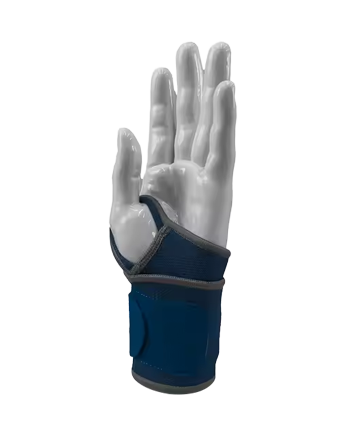
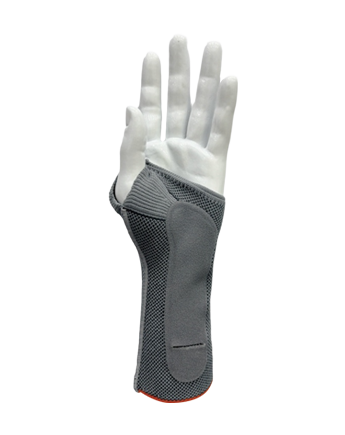
A warehouse worker strapping on the same wrist support every morning before a shift, noticing after a few months that the fastener no longer grips quite as firmly as it did on day one, is experiencing exactly the kind of wear that separates occasional-use gear from something built for daily punishment. Wrist support is often used without much thought behind it. A worker puts it on before a repetitive task without a second glance. An athlete reaches for it before training, almost out of habit. Someone at a desk may use it throughout a long work session just to get through the afternoon. When an accessory gets used this often, its design has to handle a lot more than the pressure created by a single activity.
Frequent use can expose small weaknesses that never show up in a one-time test. A fastening system may become genuinely difficult to adjust after repeated handling. Fabric may lose its original feel once it's been stretched and washed enough times. Stitching can experience repeated stress at the same points, over and over. The support may also shift when the user moves the wrist, undoing whatever benefit it was supposed to provide.
These details matter because a wrist support isn't simply a piece of fabric wrapped around the joint and forgotten. Its structure, materials, fastening method, and fit all influence how it behaves over months of actual use. A product intended for repeated use needs to balance support with practical everyday handling, rather than favoring one at the expense of the other.
Repeated use creates a genuinely different set of demands from occasional use tucked away in a drawer. A support used once in a while may spend much of its life in storage, barely touched. A product used every day experiences repeated wrapping, movement, adjustment, washing, and storage in a cycle that never really stops.
The wrist itself also moves frequently throughout a typical task. Even when the user is performing a controlled task, the hand and wrist may change position many times without the person even noticing. The support needs to stay in place without becoming unnecessarily restrictive on that movement.
Common sources of repeated stress include several distinct areas worth tracking.
| AreaFrequent-Use Consideration | |
|---|---|
| Fabric | Repeated stretching and folding |
| Stitching | Continuous movement and pulling |
| Fastening area | Repeated opening and closing |
| Support section | Regular pressure and bending |
| Edge construction | Contact with skin and clothing |
| Surface material | Friction during movement |
A well-planned design considers these areas together, rather than in isolation from one another.
Making one section stronger doesn't automatically solve every durability concern elsewhere on the product. The goal is creating something that remains practical after repeated handling, while maintaining a genuinely consistent wearing experience day after day.
The internal and external structure determines how a wrist support distributes pressure across the joint. A simple wrap may focus on flexibility and ease of use above all else. A more structured design may provide a genuinely firmer feeling around the wrist instead.
Neither approach suits every situation equally well.
A support intended for repetitive work may need to allow regular hand movement without fighting it. A product used during strength training may place genuinely greater emphasis on stability at the moment of lifting. Someone wearing support during daily activities may prefer a lighter and less noticeable structure that fades into the background.
Designers therefore need to consider the intended movement pattern before settling on a structure.
A balanced structure can help prevent pressure from concentrating in one small area of the wrist. It can also reduce unnecessary movement of the support itself as the wearer goes about their day.
This is particularly important during repeated use over a full shift. A product that feels comfortable at the beginning of a session may become genuinely less comfortable if its position shifts over time, hours into the work.
Material selection influences both durability and user comfort in ways that only become obvious after weeks of wear. A wrist support can experience stretching, bending, friction, moisture, and repeated cleaning throughout its service life. Materials need to respond to these conditions without making the product unnecessarily rigid or uncomfortable.
Fabric can provide flexibility and a familiar surface feel against the skin. Elastic materials can help the support follow wrist movement naturally, rather than resisting it. More structured materials may provide additional stability when the application genuinely requires it.
A combination of materials is often useful because different parts of the product have genuinely different jobs to do.
| Material FunctionDesign Purpose | |
|---|---|
| Flexible fabric | Supports comfortable movement |
| Elastic section | Allows controlled stretch |
| Reinforced fabric | Helps handle repeated stress |
| Soft inner surface | Improves contact comfort |
| Durable fastening material | Supports repeated adjustment |
The choice should also reflect how the product will actually get maintained by the person wearing it.
A wrist support that needs frequent cleaning should be designed with materials and construction methods that suit ordinary care, rather than requiring special handling nobody will actually follow. Material durability isn't only about resisting physical damage from a single incident. It also involves retaining a useful shape and comfortable surface after repeated handling stretched across months.
A fastening system can receive genuinely more daily attention than the main support material itself. Users repeatedly open, close, tighten, loosen, and reposition the support throughout a single day, let alone a whole week.
This makes the fastening area a genuinely important part of the overall design, deserving more thought than it usually gets.
A fastening system should be easy to operate while remaining secure during normal movement on the job. If it's difficult to adjust, users may pull on it with unnecessary force out of frustration. Over time, this can place additional stress on the surrounding fabric and stitching that wasn't built to handle that kind of pulling.
The connection between the fastening section and the main body also matters considerably here.
A strong fastening material can't compensate for weak attachment to the support itself underneath it. Good construction considers both sides of that connection together, not just the visible fastener.
For frequent-use products, simple handling can also reduce unnecessary wear over time. Users should be able to put the support on and remove it without excessive stretching or twisting each time.
Stitching is genuinely easy to overlook because it's often hidden in the finished product, tucked away where nobody looks. Yet seams connect many of the parts that experience movement throughout the day.
Repeated bending and pulling can place stress on these areas in ways that accumulate slowly. If the construction doesn't match the expected movement, small problems may appear around the seams after enough cycles of use.
The location of stitching matters quite a bit as well.
A seam positioned directly where the wrist bends may experience genuinely more movement than one placed farther away from that flex point. Designers can consider several factors when planning this out.
The aim isn't simply adding more stitching everywhere possible.
Too much reinforcement can make a support genuinely stiff or uncomfortable to wear for long stretches. The construction should correspond with the function of each section instead, matching effort to actual need. This balance becomes especially relevant for products designed for repeated commercial or professional use, where the stakes of failure are higher.
The term Heavy Duty Wrist Support suggests a product intended for demanding or repeated use, built to take a beating. Strength is genuinely important here, but strength alone doesn't define a practical wrist support on its own.
A very rigid structure may feel secure while limiting natural movement more than the wearer would like. A highly flexible design may be comfortable but provide genuinely less stability for certain activities that need it.
The right balance depends heavily on the application in question.
For example, a support used during lifting may need a genuinely different feel from one worn during repetitive assembly work on a line. A person using a computer for long periods may prefer a softer construction that doesn't interfere with normal hand movement across the keyboard.
Designers can adjust the balance through material combinations, support placement, and fastening methods working together.
Comfort should also be considered during extended wear, rather than only during the initial minutes. Pressure points, rough edges, excess heat, and repeated slipping can all affect the user's experience over a full shift. A product that stays stable but remains uncomfortable may not be suitable for frequent use, regardless of its performance on paper.
Different environments create genuinely different patterns of wear on the same basic product. A warehouse worker may repeatedly grip, lift, and carry objects throughout an entire shift. A fitness user may place short periods of heavy demand on the wrist during a workout, then rest. An office worker may make smaller movements for a genuinely much longer period, hour after hour at a keyboard.
These scenarios require genuinely different design priorities from the start.
| Usage ScenarioDesign Focus | |
|---|---|
| Fitness training | Stability during controlled movement |
| Manual work | Repeated movement and handling |
| Office work | Comfort during extended wear |
| Assembly tasks | Flexibility and repeated adjustment |
| Outdoor work | Material handling and easy maintenance |
A versatile support can serve several environments reasonably well, but it shouldn't attempt to treat every use case as identical when they clearly aren't.
Understanding the user's actual routine helps determine where reinforcement is genuinely useful and where flexibility should get preserved instead. This approach also helps manufacturers avoid unnecessary features that add complexity without improving the user's actual experience on the job.
For a Wrist Support Supplier, frequent-use products create challenges that go well beyond product design alone. Consistency must get maintained across material preparation, cutting, sewing, fastening, inspection, and packaging, batch after batch.
Small differences between production batches can genuinely change how a support feels or performs once it reaches a customer. Fabric stretch may vary slightly from one run to the next. Stitching can differ between production runs depending on who's on the line that day. Fastening components may also have genuinely different levels of attachment strength depending on the supplier.
A consistent production process helps reduce these variations considerably over time.
Quality checks can focus on practical areas such as several distinct points.
Inspection shouldn't focus only on appearance, since a product can look fine and still fail in use.
A support may look genuinely acceptable while still having a loose fastening area or uneven construction hidden underneath. Practical handling checks can provide another layer of quality control worth building into the process.
For suppliers serving professional buyers, repeatability is especially important because customers may genuinely expect later orders to have a similar look, fit, and handling experience to what they ordered before.
Even a well-made wrist support requires proper care to hold up over time. Dirt, moisture, sweat, and repeated stretching can affect the material considerably across months of regular use.
Cleaning should follow the care instructions intended for that specific product, rather than whatever's convenient. Harsh treatment can damage fabrics or fastening areas faster than expected. Improper drying may also affect the shape, leaving the support misshapen after just a few washes.
Storage matters here too, more than people usually think.
A support that's constantly folded in an unsuitable position may develop unnecessary creases or stress points over time. Simple habits can help extend its useful life considerably.
These practices are particularly useful when several people share the same type of support in a workplace or training environment, where wear adds up faster.
Maintenance can't prevent every form of wear that comes with daily use, but it can help preserve the intended condition of the product for a genuinely longer stretch.
A Wholesale Wrist Support purchase involves genuinely different considerations from choosing one product for personal use alone. Buyers may need to think about consistency across a larger quantity, packaging, sizing options, materials, and the intended customer group all at once.
The product should get evaluated as a complete item, rather than judged through one feature in isolation.
Questions worth considering include whether the fastening system is genuinely easy to use, whether the support remains stable during movement on the job, and whether the materials suit the intended environment it's headed toward.
Buyers can also examine how the product gets constructed around stress points specifically. Stitching, edges, fastening areas, and support sections deserve genuine attention because these parts experience repeated handling more than any other component.
Packaging can also play an important role here, even if its influence is not immediately obvious. Products intended for retail distribution may need packaging that protects them during storage and transportation, without making inspection genuinely difficult for the buyer checking the batch.
Clear product information can help buyers understand the intended use and care requirements before committing to a large order.
Frequent use should be considered in wrist support design from the initial sketch onward. The product needs to survive repeated movement while remaining comfortable enough to wear regularly, day after day, without complaint.
A useful design brings several elements together in coordination. Materials should suit the intended activity it's built for. Stitching should correspond with areas of movement that actually flex. Fastening components should be genuinely easy to operate without a fight. The support structure should provide stability without unnecessarily restricting the wrist underneath.
The product should also be genuinely straightforward to maintain for the average user.
Durability is therefore not one isolated feature sitting apart from everything else. It develops from many small design decisions that work together across the whole product, reinforcing each other.
When manufacturers consider structure, materials, attachment methods, production consistency, and different operating environments as one connected system, wrist support can remain genuinely more practical for repeated daily use, without making the product unnecessarily complicated for the person actually wearing it.
Steriger is a national high-tech enterprise specializing in the R&D and production of high-quality sports supports, medical braces, and sports compression socks.
Copyright © Zhejiang Steriger Sports Medicine Technology Co., Ltd.
The information provided on this website is intended for use only in countries and jurisdictions outside of the People's Republic of China.

Approval No: 浙金药监械生产备20200039号

 English
 Español
 Deutsch
 عربى
عربى Français