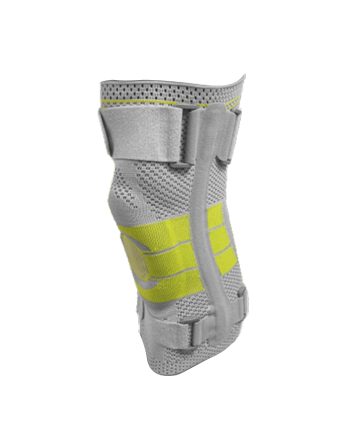
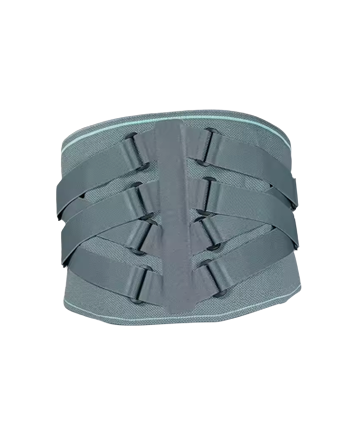
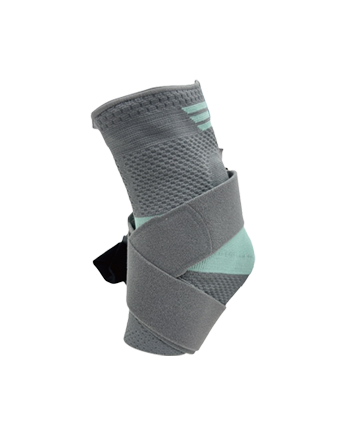
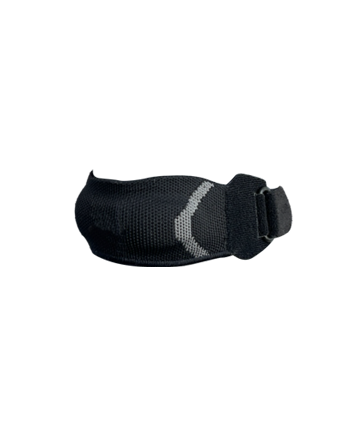
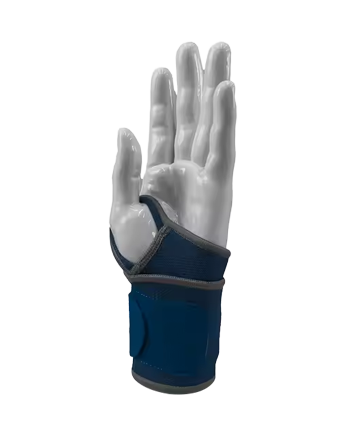
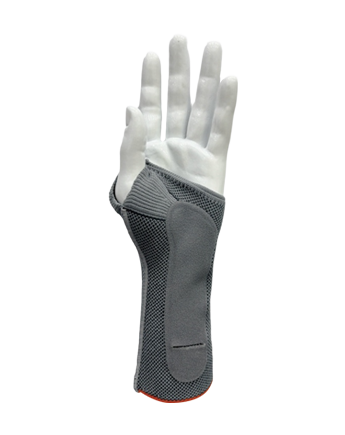
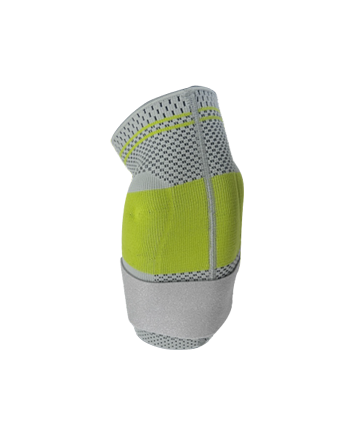
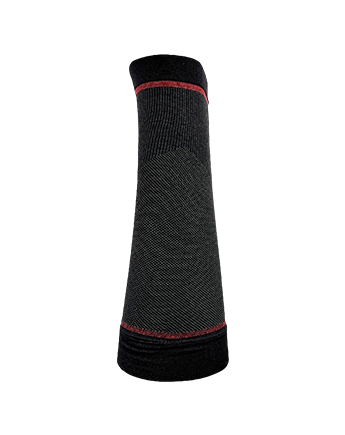
A buyer opening a shipment container to find that half the wrist supports feel noticeably tighter than the sample they approved months earlier knows exactly why consistency matters more than any single glowing review sample ever could. A wrist support may look like a simple textile product. It wraps around the wrist, provides a close fit, and stays in place during activity. Yet maintaining that same experience across a large batch requires careful control at many stages, rather than relying on a single approved sample.
A buyer may receive several samples and find them comfortable and well made. The challenge begins once those samples become a large production order. Small differences in fabric, cutting, sewing, elasticity, or sizing can become a lot more noticeable as production volume grows from dozens of pieces to thousands.
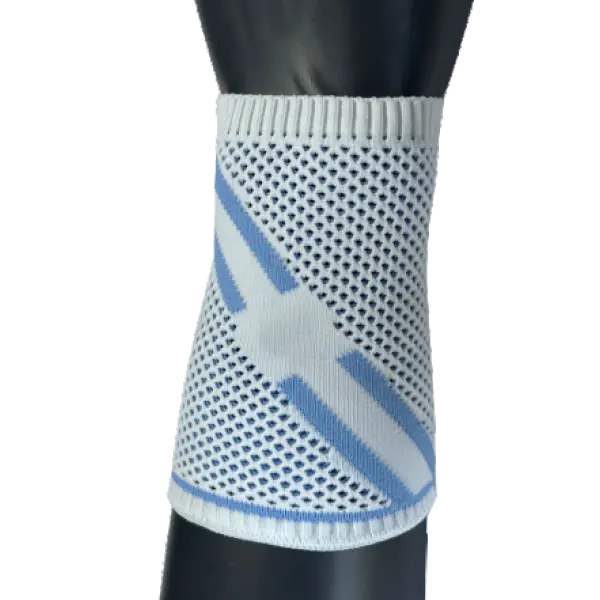
For a Wrist Support Supplier, consistency is therefore not limited to the finished appearance sitting on a shelf. It includes the way products feel, fit, stretch, close, and respond to repeated use, week after week for the end customer wearing it.
This matters for retailers, distributors, fitness brands, medical supply companies, and buyers sourcing Wholesale Wrist Support products. A consistent product is a lot easier to package, market, inspect, and manage across different orders placed months apart.
Consistency gives buyers a genuinely more predictable product experience, order after order.
A wrist support can contain several materials and construction details working together. The fabric needs to feel similar from one production batch to another. The dimensions should remain within the intended size range across a whole run. Sewing should create a similar finish across the entire product line.
Even a small variation can affect how the support actually feels around the wrist once someone puts it on.
For example, one product may feel slightly tighter because its elastic section has a different stretch response than the batch before it. Another may have a softer edge because the sewing process was handled a bit differently on that shift.
These differences may not be obvious during a quick visual inspection at the warehouse. Users can notice them right away when wearing the products daily.
| Product AreaConsistency Consideration | |
|---|---|
| Fabric | Similar feel and structure |
| Size | Consistent cutting and dimensions |
| Elastic section | Similar stretch and recovery |
| Sewing | Even stitching and secure construction |
| Fastening | Reliable fit and positioning |
| Edges | Consistent finishing |
| Packaging | Matching product information |
For a Wrist Support Supplier, controlling these details helps reduce variation before products ever reach the customer's hands.
Material selection is a genuinely important starting point, long before any cutting begins.
Wrist supports may use elastic fabrics, cotton blends, synthetic fibers, hook-and-loop materials, or combinations of different textiles. Each material can behave differently during cutting and sewing depending on the roll it came from.
Even when the same material name appears on an order form, variations between batches can influence the final product in ways that only show up once it's worn.
Fabric may feel slightly different from one roll to the next. Elastic material may stretch differently after sitting in storage. Surface texture can change subtly between dye lots. These differences can affect the finished wrist support more than a spec sheet would suggest.
A supplier can reduce variation by managing incoming materials carefully, roll by roll.
Useful practices include:
Material control doesn't mean every roll of fabric must look identical under a microscope. It means the supplier should understand how material variation may actually affect the finished product once it's sewn and shipped.
This becomes especially important for Wholesale Wrist Support orders, where a buyer may expect products from different production runs to maintain a similar appearance and feel months apart.
Size consistency is genuinely easy to overlook, precisely because wrist supports are flexible rather than rigid.
Unlike hard products, textile supports can stretch during measurement itself. This means cutting accuracy and production methods both influence the final fit in ways that a ruler alone won't catch.
If one support is slightly longer and another is slightly shorter, users may notice a real difference when wrapping the product around the wrist each morning.
The issue becomes more important once a supplier produces several sizes side by side on the same line.
A production system can separate sizes clearly during cutting, sewing, inspection, and packaging, rather than letting them blur together.
| Production StageSize Control Focus | |
|---|---|
| Pattern preparation | Keep the intended shape consistent |
| Cutting | Maintain repeatable dimensions |
| Sewing | Avoid changing the finished shape |
| Elastic attachment | Maintain consistent positioning |
| Inspection | Compare products against the intended size |
| Packaging | Prevent size mixing |
Size labels should also match the actual products inside the bag.
A mismatch between the label and the physical product can create unnecessary returns and customer complaints that trace back to a packing error rather than a manufacturing flaw.
For retailers and distributors, reliable sizing also makes inventory management a lot easier when restocking shelves.
Yes, and often in ways that only show up once a customer's actually wearing the thing.
Sewing affects both appearance and how a wrist support behaves during use over weeks of wear. Stitching that's too loose may create an uneven edge that frays early. Stitching handled poorly can affect flexibility right where it matters. A seam placed differently from one product to another can change how the support sits around the wrist entirely.
The goal isn't simply producing a seam that looks acceptable under a quick glance.
The sewing process should be repeatable, shift after shift.
Operators need clear production instructions to work from. Machines should be maintained regularly. Sewing patterns should remain consistent across the run. Workers should also understand which areas require particular attention and which don't.
Common areas to inspect include:
For a growing production order, standardized sewing methods can reduce differences between operators working different stations.
This doesn't mean every worker must move in exactly the same way, like a machine themselves. The production process should provide enough structure that the finished products remain similar, even when different workers are involved on different days.
Elasticity is one of the more noticeable characteristics of a wrist support, the part someone feels the second they put it on.
A support needs to stretch enough to fit around the wrist while remaining stable during use, whether that's typing at a desk or lifting at the gym. If the elastic section varies significantly, the products may feel genuinely different even when their dimensions appear similar on paper.
Several factors can affect elasticity in practice.
The material itself matters, obviously. So does the way it's cut, sewn, and attached to the rest of the support during assembly. Handling during production can also influence the final result more than people expect.
A supplier may monitor:
The objective isn't making every wrist support feel rigidly identical, like they came off a single mold.
Instead, the supplier should keep the product within the intended design characteristics it was built around. This matters particularly when buyers compare Wrist Support Vs Wrist Brace products side by side. A wrist support may emphasize flexible wrapping and everyday support for typing or light activity, while a wrist brace may use a different structure and purpose entirely, built for injury recovery or heavier restriction. Production consistency should therefore get evaluated according to the intended product design, rather than a generic idea of firmness applied across the board.
The terms sometimes get used interchangeably in casual conversation, but the products can have genuinely different designs underneath.
A wrist support may rely heavily on flexible fabric and adjustable wrapping for everyday comfort. A wrist brace may include a more structured construction depending on its intended application, sometimes with rigid inserts.
When comparing Wrist Support Vs Wrist Brace, buyers should look at the actual product design, rather than the name printed on the packaging alone.
For suppliers, this distinction affects production control quite a bit.
| Product CharacteristicWrist SupportWrist Brace | ||
|---|---|---|
| Main construction | Often flexible | May include more structure |
| Adjustment | Commonly uses wrapping or fastening | May use different fastening methods |
| Flexibility | Usually important | Depends on intended use |
| Material selection | Often textile-focused | May combine several materials |
| Production focus | Fit, stretch, comfort | Fit, structure, and intended support |
A supplier producing both categories should keep their manufacturing procedures clearly separated on the floor.
Using the same assumptions for both products can create unnecessary variation that shows up as customer complaints down the line.
Quality inspection works better when it is integrated into production rather than added at the end of the line.
A supplier can inspect materials before production even begins, catching problems at the roll. Products can also get checked during cutting and sewing, not just after the fact.
Finished products should then receive another inspection before packaging seals everything away.
This creates several genuine opportunities to catch problems before they multiply.
| Inspection PointWhat Can Be Checked | |
|---|---|
| Incoming materials | Color, texture, and general condition |
| Cut components | Shape and size |
| Sewing stage | Stitching and seam position |
| Finished support | Fit, appearance, and fastening |
| Packaging | Label and size matching |
Inspection should also focus on patterns across a batch, not just individual pieces.
If several products show the same issue, the supplier can investigate the production step responsible, rather than treating each flaw as an isolated incident.
For example, repeated uneven stitching may suggest a sewing process problem rather than one operator having a bad day.
This approach allows quality control to genuinely support production improvement, rather than just filtering out the worst pieces at the end.
Mass production creates a genuinely different challenge from small-batch manufacturing done by hand.
A small order may get handled by a limited group of workers using a simple workflow they all understand. A large order can involve multiple production lines, material batches, operators, and inspection stages running at once.
Without clear organization, variation can increase fast across a big run.
A Wrist Support Supplier can divide production into controlled stages.
Material preparation. Materials should be identified and prepared before production starts, not sorted out mid-run.
Cutting. Patterns and cutting procedures should remain consistent across the entire order.
Sewing. Workers should follow the same construction instructions regardless of which station they're at.
Assembly. Fastening components and other parts should be positioned consistently every time.
Inspection. Products should be checked during production, rather than only after everything's finished.
Packaging. Finished products should be separated by size, style, and order requirements before they're boxed.
This structure makes it a lot easier to identify where variation actually begins in the process.
It also allows production managers to respond before a large quantity of products gets affected by the same issue.
Packaging sometimes gets treated as separate from product quality, an afterthought once the real work is done.
For wholesale buyers, it's part of the overall purchasing experience from start to finish.
A product can be manufactured consistently but still create real problems if the wrong size label gets applied, or different versions get mixed together during packing.
Clear packaging procedures can reduce these mistakes considerably.
A supplier may separate products by:
Packaging inspection can then confirm the product inside actually matches the information printed outside.
This proves particularly useful for Wholesale Wrist Support orders containing multiple sizes or designs shipped together in one container.
A clear system helps distributors receive products that are a lot easier to sort and place into inventory once they arrive.
Human skill remains a genuinely important part of textile manufacturing, no matter how automated a line becomes.
Different workers may naturally handle materials in slightly different ways. One operator may sew faster than the next. Another may position fabric a bit differently under the needle. These small differences can influence the finished product more than a checklist alone would suggest.
Training can reduce unnecessary variation over time.
However, training works a lot better when combined with clear production instructions everyone can reference.
Useful measures include:
The purpose isn't removing human involvement from the line entirely.
It's creating a production environment where workers have a genuinely clear understanding of what the finished product should look and feel like, before they ever start sewing.
Buyers can also play a real role in improving consistency, not just the supplier alone.
Clear requirements make it a lot easier for a supplier to organize production from the start.
Before placing a large order, buyers may want to discuss:
Sample approval can also prove genuinely useful here.
A sample gives both sides a shared reference point to work from. The buyer can confirm the design meets expectations, while the supplier can use the approved version as a production reference for every batch after.
This becomes even more important for private-label products carrying a buyer's own branding.
When a buyer orders a customized wrist support, the supplier needs to understand which characteristics must remain consistent across future production runs, sometimes years apart.
Customization adds another layer to manufacturing that needs its own tracking.
A customized wrist support may involve a different logo, color combination, fabric choice, label, packaging format, or product shape entirely. Each change creates another production detail that needs controlling carefully.
A supplier can manage this by documenting the approved design and separating custom orders from standard products on the floor.
The production team should know:
Clear documentation reduces the chance of an outdated design accidentally getting used months later.
For buyers working with a Wrist Support Supplier, this can make repeat orders a lot easier to manage over time, without re-explaining the same specs every single time.
Consistency gets built through many connected decisions working together, not one single fix. Material batches influence fabric behavior. Cutting affects size. Sewing affects shape and flexibility. Elastic control influences fit. Inspection identifies variation, while organized mass production helps keep approved characteristics consistent from one batch to another, order after order.
For buyers comparing Wrist Support Vs Wrist Brace or sourcing Wholesale Wrist Support, looking beyond the finished sample can provide a clearer view of how a supplier manages repeat production as orders continue.
Steriger is a national high-tech enterprise specializing in the R&D and production of high-quality sports supports, medical braces, and sports compression socks.
Copyright © Zhejiang Steriger Sports Medicine Technology Co., Ltd.
The information provided on this website is intended for use only in countries and jurisdictions outside of the People's Republic of China.

Approval No: 浙金药监械生产备20200039号

 English
 Español
 Deutsch
 عربى
عربى Français