Plenty of jobs depend almost entirely on the hands. A warehouse worker grips packages for an entire shift, an assembly worker repeats small hand movements hour after hour, and a maintenance technician spends long stretches gripping tools while a repair worker twists and positions parts in cramped spaces.
These repeated actions make wrist support a genuinely practical consideration rather than an afterthought. The wrist handles gripping, lifting, turning, and positioning throughout the day, and as these movements become routine, workers may start paying closer attention to comfort, stability, and freedom of movement than they did when they began the job.
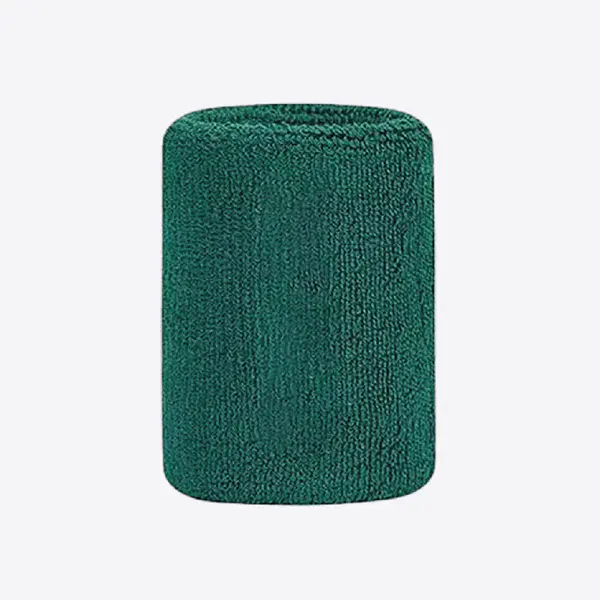
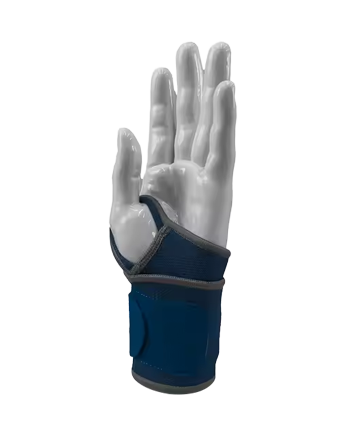
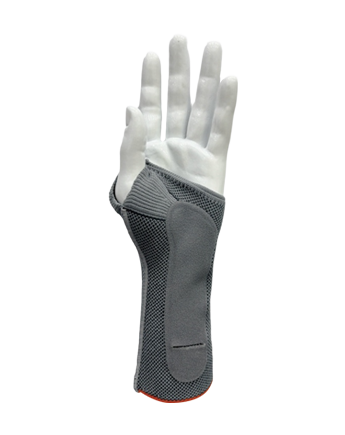
Heavy Duty Wrist Support gets designed for exactly this kind of active working condition. Making the material thicker or the strap tighter isn't the whole story here — the design has to account for how the support gets worn, adjusted, moved around during tasks, cleaned after a dusty shift, and maintained over months of regular use.
Different workplaces create genuinely different requirements too. A warehouse floor, an assembly station, a repair bay, and a general handling operation each involve distinct movement patterns, and understanding those differences helps buyers pick a support that matches the actual work instead of relying on a generic product description pulled from a catalog.
Hand-intensive work rarely involves one isolated motion. A worker picks up an item, sets it down, reaches for the next one, and repeats that sequence for hours, which means the wrist moves right along with the hand through each cycle.
The support worn on that wrist needs to stay reasonably stable without turning into an obstacle course for the hand underneath it.
| Work Environment | Common Wrist Activity |
|---|---|
| Warehousing | Gripping, lifting, carrying |
| Assembly | Repeated positioning and handling |
| Repair | Turning, holding, and tool use |
| Packing | Folding, gripping, and moving items |
| Maintenance | Tool handling and repeated wrist movement |
| General handling | Carrying and positioning materials |
Work intensity shifts throughout a shift as well. Morning tasks might involve heavier boxes, while afternoon work could shift toward more detailed, fiddly hand movements that demand a completely different kind of support.
A suitable wrist support should reflect the actual working pattern rather than a one-size-fits-all assumption. A product built for short bursts of firm support feels noticeably different from one meant for eight hours of steady, everyday wear.
The surrounding work environment matters just as much as the task itself. Heat inside a warehouse in summer, moisture from cleaning stations, dust from packing materials, and contact with gloves or equipment all change how a wrist support actually feels once it's been worn for a few hours.
These factors explain why product selection should start with the job itself, not the product brochure. Once the movement pattern becomes clear, features like material, fastening, flexibility, and fit turn into much easier decisions to evaluate.
The phrase Heavy Duty Wrist Support suggests something built for demanding use, but durability shouldn't get separated from comfort in anyone's mind. A support that gets worn day after day needs to survive constant handling, not just resist a single hard knock.
Workers put it on before their shift, adjust it a few times during breaks, take it off at the end of the day, and toss it in a bag for cleaning — and the fastening area often takes nearly as much wear as the main support material itself over weeks of this cycle.
| Product Feature | Workplace Benefit |
|---|---|
| Durable material | Supports repeated handling |
| Secure fastening | Helps keep the support in position |
| Flexible structure | Allows natural hand movement |
| Comfortable surface | Supports extended wear |
| Reinforced areas | Helps manage repeated stress |
| Easy adjustment | Makes workplace use more convenient |
A strong structure by itself doesn't guarantee a product fits the job. If the support feels too rigid, it interferes with the natural motion of gripping or turning something, and if it's too loose, the worker ends up repositioning it every few minutes instead of focusing on the task.
Both situations can distract workers from their actual tasks, which goes against the purpose of wearing support in the beginning. The practical goal sits somewhere between firm support and unrestricted movement.
Manufacturers reach that balance through the combination of materials chosen, where support gets placed on the wrist, how the fastening works, and the overall shape of the product. Buyers can then check whether those choices actually line up with the intended work environment rather than just trusting the label.
The phrase "heavy duty" makes more sense when understood through actual use on the job rather than judged by how tough the product looks sitting on a shelf.
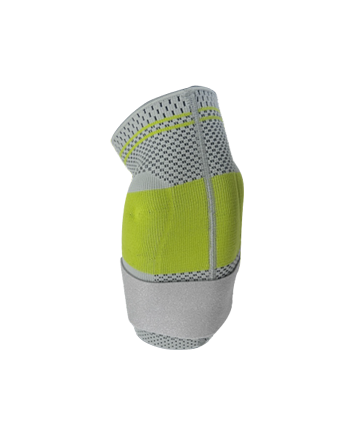
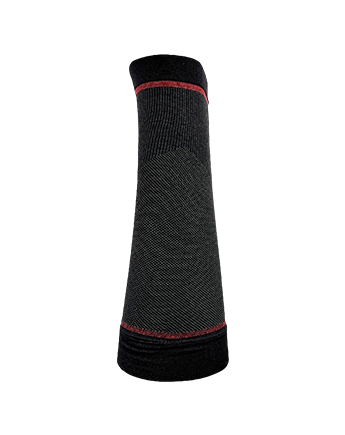
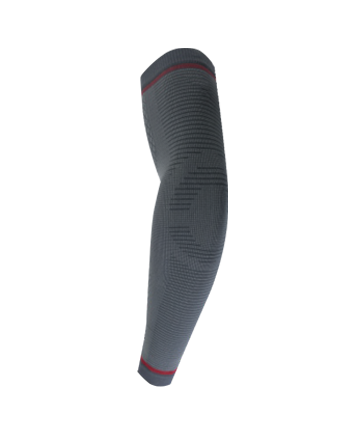
A Compression Wrist Support Sleeve offers a different wearing experience compared to a bulkier, more structured wrist brace. Its sleeve-style construction hugs the wrist closely while leaving the hand relatively free to keep doing whatever the job requires.
This design works well in workplaces where employees need frequent, unrestricted hand movement throughout the day. An assembly worker picking up small components repeatedly, or a warehouse worker gripping and moving boxes between shelves, would likely find a bulky brace getting in the way pretty quickly.
A sleeve-style design tends to sit more naturally under a long-sleeve work shirt or alongside other protective gear, depending on exactly how it's built.
| Work Requirement | Sleeve Design Consideration |
|---|---|
| Repeated hand movement | Flexible construction |
| Long periods of wear | Comfortable skin contact |
| Work gloves | Suitable overall fit |
| Frequent adjustment | Easy handling |
| Active tasks | Stable positioning |
The right choice still comes down to the individual worker and the specific task in front of them. One person on the floor might prefer the flexibility and close contact of a sleeve, while a coworker doing a different job entirely might lean toward something more structured.
Fit deserves careful attention here too. A wrist support shouldn't need to feel increasingly tight just to seem like it's doing its job — that's often a sign something's off rather than a sign of good support.
Anyone using one of these products should follow the included instructions and stop wearing it if it causes numbness, unusual discomfort, or anything that feels off. For workplaces comparing support styles, that distinction matters, since the product should work with the job rather than fight against normal hand function.
Material choice shapes how a wrist support behaves once it's actually being worn during a shift, not just how it feels in a store display. The outer material has to tolerate constant movement and handling, while the inner surface sits directly against skin for hours at a stretch, and those two layers face pretty different demands.
Some workers wear support under a long sleeve for an entire shift, while others layer it alongside gloves or other required equipment.
| Material Consideration | Why It Matters |
|---|---|
| Fabric flexibility | Allows movement |
| Inner surface | Influences skin comfort |
| Outer surface | Affects contact with clothing |
| Reinforced material | Supports repeated handling |
| Moisture handling | Can influence wearing experience |
Comfort becomes noticeably more important once a support gets worn regularly rather than just for the occasional task. Body heat and sweat change how fabric feels against skin as the day goes on, and dust from packing materials or workplace particles can build up on the surface over a week of use.
Following the manufacturer's cleaning instructions matters more than reaching for whatever cleaning product happens to be nearby. Using the wrong method can warp the fabric, weaken the fastening system, or throw off the shape entirely, undoing whatever comfort the product originally offered.
Material choice should connect back to the actual job site. A warehouse involves plenty of contact with cardboard, packaging debris, and general dust, while an assembly area usually calls for cleaner handling around small, sensitive parts. A repair shop brings its own mix of tools, grease, and work surfaces into the picture.
No single material solves every one of these situations at once. Connecting material choice to the actual working conditions works better than assuming one fabric fits every job equally well.
A wrist support can feel perfectly comfortable while standing still, then behave completely differently once real work starts. Workers shift grip positions constantly, reach for tools, and interact with objects in ways that put the fastening system through repeated stress.
That fastening needs to hold the support firmly in place while still letting the worker adjust it when something feels off partway through the shift.
Ease of adjustment matters more than people expect going in. If someone has to stop mid-task just to reposition a strap, the support turns into a distraction rather than a help, and a simple fastening method keeps that friction to a minimum.
| Fastening Characteristic | Practical Effect |
|---|---|
| Easy to adjust | Supports convenient fitting |
| Stable closure | Helps reduce unwanted movement |
| Durable attachment | Handles repeated opening and closing |
| Comfortable edges | Reduces irritation around contact areas |
| Simple removal | Makes end-of-shift handling easier |
The connection between the fastening piece and the main body of the support deserves just as much attention as the fastener itself. A strap can be tough on its own, yet the stitching or fabric overlap holding it in place might not hold up the same way after months of daily use.
Pulling the fastening system harder than necessary tends to speed up wear rather than improve the fit. Sticking to the manufacturer's guidance on tightening and adjustment helps avoid that kind of avoidable damage.
For anyone buying these products, checking the fastening area closely tells you a lot about how the support will hold up in an active workplace. It's a small part of the overall design, but it has a real, noticeable effect on how the product handles daily wear.
Warehousing keeps workers moving across the entire floor throughout a shift. People pick products off shelves, carry packages between zones, sort items into bins, prepare outgoing orders, and load materials onto trucks or pallets, and all of that involves repeated gripping and wrist motion.
A Heavy Duty Wrist Support built for this kind of environment should let workers move their hands naturally without unnecessary resistance, while still staying stable enough to actually do its job through a full shift.
The equipment already in use around the warehouse matters too. Workers often juggle gloves, barcode scanners, and protective clothing at the same time, and a wrist support that clashes with any of that becomes more trouble than it's worth.
| Warehouse Activity | Useful Design Consideration |
|---|---|
| Picking | Freedom of hand movement |
| Packing | Comfortable repeated handling |
| Carrying | Stable positioning |
| Sorting | Flexible wrist movement |
| Loading | Suitable material construction |
A clean, practical design can fit well on a busy warehouse floor. Unnecessary features may create distractions, while simple adjustment options allow workers to switch between tasks with less hassle during a shift.
Cleaning matters here as well, since warehouse environments expose products to dust and packing debris constantly. Following the product's actual care instructions keeps the support in decent shape over weeks of use.
Managers also need to decide whether supports get assigned to individual workers or shared across shifts. Personal-use products simplify hygiene considerably, while shared equipment demands a clear, consistently followed cleaning routine to avoid problems down the line.
Assembly and repair work tends to involve finer, more deliberate movements than general warehouse handling. A technician might hold a small screw steady with one hand while operating a driver with the other, or repeatedly turn and secure a part that needs careful positioning.
These movements place different demands on wrist support compared to lifting and carrying. A bulky product interferes with small, precise hand movements, and one that shifts position mid-task pulls focus away from work that often requires real concentration.
| Work Situation | Product Requirement |
|---|---|
| Small-part assembly | Flexible hand movement |
| Tool handling | Secure fit |
| Component positioning | Low interference |
| Repetitive repair | Comfortable repeated use |
| Bench work | Suitable extended wear |
Fit becomes especially important in these settings. A wrist support needs to work with the worker's natural hand position rather than against it, and its edges shouldn't snag on tools or nearby equipment during a delicate task.
Workplace safety rules should always take priority, regardless of how comfortable a support may feel. If it interferes with required protective gear or creates an added hazard, it should not be worn.
Cleaning matters here too, since oils, dust, and general workplace residue tend to build up on anything worn near tools and machinery. Matching the material and care routine to the actual repair environment keeps the product usable for longer.
For distributors and commercial buyers, choosing wrist support involves a lot more than picking one product for one worker on one shift. A China Wrist Support supplier often offers a range of styles, materials, fastening systems, and packaging setups tailored to different markets, so buyers need to explain their intended application clearly to keep the conversation useful.
A Wholesale Wrist Support order can also cover several distinct user groups at once, each with their own priorities.
| Buyer Type | Main Consideration |
|---|---|
| Warehouse supplier | Repeated handling |
| Industrial distributor | Workplace suitability |
| Retail buyer | Product presentation |
| Fitness distributor | Movement and comfort |
| Corporate purchaser | Consistent product selection |
Clear communication cuts down on misunderstandings before they turn into returned inventory. Instead of describing a product as simply "strong," buyers can explain how it'll actually be used — the work activities involved, expected range of motion, clothing or gloves worn alongside it, cleaning routines, and packaging needs all give manufacturers something concrete to work from.
Product samples help buyers get a real feel for the material and handling before committing to a large order. The focus should stay on whether the support genuinely fits its intended users, since appearance alone tells you very little about how something performs after a few weeks of daily wear.
For China Wrist Support and Wholesale Wrist Support purchasing specifically, the relationship between design and application carries extra weight, since the same product often ends up in the hands of many different people with very different working habits day to day.
That reality makes ongoing communication between buyers and suppliers a genuine part of the selection process, not just a formality before signing off on an order.
A wrist support for active work should be considered as a complete product rather than relying on one standout feature. Material, flexibility, fastening, fit, and maintenance all shape everyday use, and once these elements line up with warehousing, assembly, repair, or general handling work, the support becomes a practical piece of equipment rather than something that just gets in the way during a busy shift.
Steriger is a national high-tech enterprise specializing in the R&D and production of high-quality sports supports, medical braces, and sports compression socks.
Copyright © Zhejiang Steriger Sports Medicine Technology Co., Ltd.
The information provided on this website is intended for use only in countries and jurisdictions outside of the People's Republic of China.

Approval No: 浙金药监械生产备20200039号

 English
 Español
 Deutsch
 عربى
عربى Français