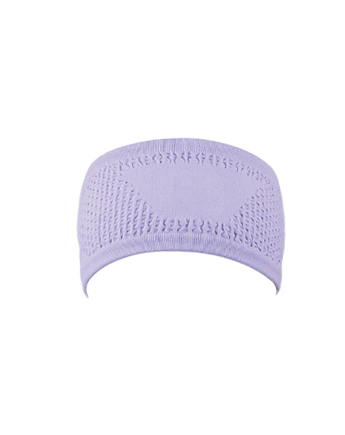
A small accessory can end up carrying a surprisingly strong brand message. At sports events, team activities, outdoor campaigns, and promotional projects, a sweat headband works as both a practical item and a way to display identity. A lot of businesses go with Custom Sweat Headbands because they combine everyday use with brand visibility in a pretty natural way. That said, picking the right one takes more thought than just slapping on a logo and choosing a color. Material, design, comfort, and purpose all shape whether the final product actually fits the brand and meets what users expect. A good headband should feel natural to wear while still matching the style a brand wants to project — whether the goal is supporting a sports team, building merchandise, or putting together event gifts, careful selection tends to make the product more useful, and more memorable.
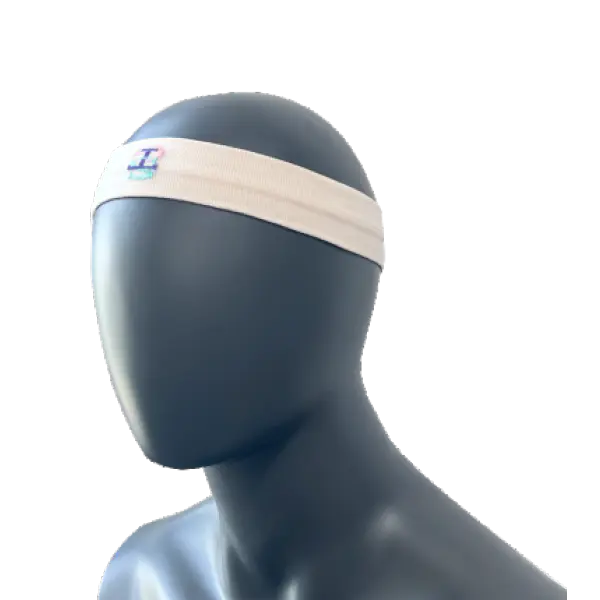
Brand promotion isn't limited to traditional ad space anymore. A lot of companies are now looking for practical products people will actually use on a regular basis.
A sweat headband offers a simple, direct connection between brand and user. When someone wears it during exercise, an outdoor activity, or a team event, the design becomes part of that experience.
Custom headbands tend to support a few different purposes:
| Purpose | Possible Use |
|---|---|
| Sports teams | Team identity and group appearance |
| Corporate events | Promotional gifts and activities |
| Fitness communities | Member items and event accessories |
| Retail products | Branded merchandise |
Unlike a lot of promotional items that get stashed in a drawer, wearable accessories tend to show up in public — which means more chances for people to actually notice the brand. The real key is picking a design people genuinely enjoy wearing. A product with decent comfort and real practical value has a much better shot at becoming part of someone's regular routine.
Every brand has its own priorities. A company creating sports merchandise may place more attention on durability and team style, while a business preparing promotional gifts may focus more on appearance and customization options.
A few factors deserve real attention during selection:
| Factor | Why It Matters |
|---|---|
| Material | Influences comfort and wearing experience |
| Design | Reflects brand style |
| Usage environment | Determines suitable features |
| Custom options | Helps create a unique appearance |
| Supplier support | Affects the production process |
Understanding who's actually going to wear the thing makes the whole decision easier. A headband built for runners needs different qualities than one made for casual, everyday wear — the product should match wherever people will actually be wearing it.
Material has a lot to do with how a headband feels once it's actually on. People notice comfort fast — if something feels off, they'll avoid wearing it no matter how good it looks.
Worth thinking about here:
Different fabrics create pretty different wearing experiences. Some people want something lightweight for workouts. Others care more about a soft feel for casual use. Brands should think through who's wearing these and in what context — the right material choice helps the product feel like it actually belongs in someone's routine, rather than just sitting in a drawer.
The visual design is really where branding becomes visible. Colors, patterns, logo placement, overall style — all of it shapes how people recognize the product at a glance.
A simple design tends to read as clean and modern. A bolder one comes across as more energetic. When planning the design, it's worth considering:
The goal isn't to cram in as many design elements as possible. A more balanced look usually creates a stronger connection between the product and the brand — the headband should feel like a natural extension of the brand, not just a promo item with a logo stamped on it.
What the headband is actually used for shapes a lot of the decision. One built for outdoor sports needs to handle movement and changing conditions. One meant for a casual event might lean more toward appearance and comfort.
| Activity | Design Considerations |
|---|---|
| Running | Comfortable fit during movement |
| Team sports | Matching group appearance |
| Fitness training | Practical daily use |
| Outdoor events | Easy wearing and carrying |
| Brand campaigns | Clear visual identity |
Knowing the activity upfront helps avoid picking something that just doesn't fit the situation. A design meant for a formal company event isn't going to serve the same purpose as one built for an active sports group — the more clearly the use case is defined, the easier it gets to pick the right features.
Customization is what lets a brand make something feel personal rather than generic. A standard headband might work fine for general use, but a customized version can represent a specific team, company, or event in a way a plain one just can't.
Common customization options:
Different projects call for different levels of customization. A small sports club might just want a simple team design. A larger company campaign might need packaging that ties into a bigger marketing theme. What's right really depends on the message and who's actually receiving the product. Customization has more value when it serves the intended purpose instead of adding unnecessary complexity to the design.
Choosing the product is only half the job — picking the right supplier matters just as much for how things turn out. A reliable supplier should understand what the brand actually needs and communicate clearly through the whole production process.
Worth paying attention to:
Good communication cuts down on misunderstandings. It helps to share the important details upfront — who's wearing this, what the design expectations are, when it needs to arrive. A supplier that actually understands the purpose behind the order tends to offer more useful suggestions along the way.
A successful promotional product isn't just about slapping on a logo. People remember the things that actually fit into their lives. A good headband can become part of a workout routine, an outdoor hobby, or just daily wear — and that creates a longer-lasting connection between the user and the brand than a one-time impression ever could.
A few things that tend to boost that value:
A well-chosen accessory ends up representing a company's style while still giving people something they genuinely appreciate having.
Choosing Custom Sweat Headbands really comes down to balancing function, design, and brand goals. The right product should match the people wearing it, the activity it's meant for, and the message the brand actually wants to send. By paying attention to materials, customization, use case, and supplier capability, businesses can end up with a headband that feels genuinely useful — not just promotional.
Steriger is a national high-tech enterprise specializing in the R&D and production of high-quality sports supports, medical braces, and sports compression socks.
Copyright © Zhejiang Steriger Sports Medicine Technology Co., Ltd.
The information provided on this website is intended for use only in countries and jurisdictions outside of the People's Republic of China.

Approval No: 浙金药监械生产备20200039号

 English
 Español
 Deutsch
 عربى
عربى Français