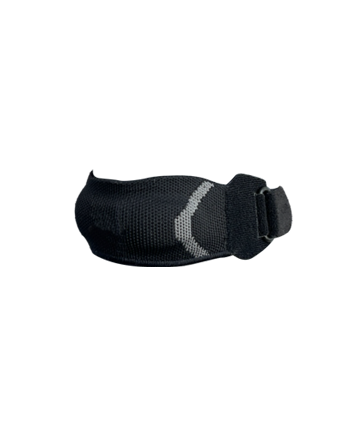
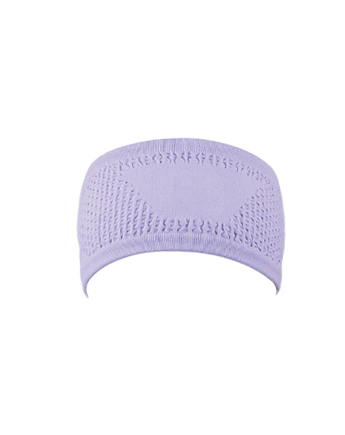
Headbands are one of those accessories people wear constantly without thinking much about the design behind them — during a run, on a plane, while cleaning the kitchen. They can look almost identical on a shelf, but the thinking behind a Lightweight Running Headband and a basic everyday headband is usually pretty different, even if the end result — keeping hair out of your face — looks the same. Both do the same basic job. Where they split is in the details: weight, fit, material, and what kind of movement they're actually built to handle. For someone running six miles at a decent pace, those small differences stop being minor and start actually mattering.
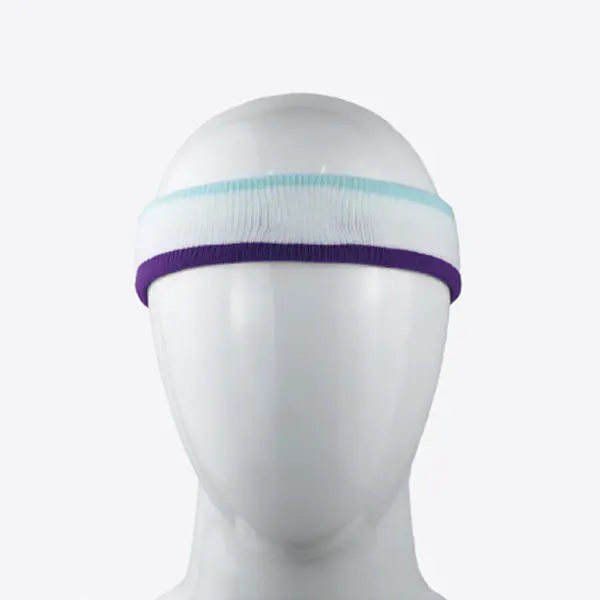
At a glance, they're doing the same thing — keeping hair back and adding a bit of convenience. A running-focused headband is built with movement in mind: training, running, anything active where you need something that stays put without needing constant adjustment. A regular headband leans more general — casual outfits, personal style, everyday hair management, maybe some light activity here and there.
| What You're Comparing | Running-Focused Headband | Regular Headband |
|---|---|---|
| Main Job | Sports and active movement | Everyday, casual wear |
| Design Priority | Comfort while moving | General convenience and style |
| Where It's Worn | Runs, workouts, outdoors | Home, work, casual settings |
| Feel | Built to disappear during movement | Built for general use |
Neither one is "the better headband" in some universal sense — it just depends what you're actually doing while wearing it.
Running doesn't leave much room for distraction. Every little annoyance — a strap that slips, a seam that rubs — gets amplified mile after mile.
A few reasons this style tends to win runners over:
It's really not about how it looks in a mirror. It's about whether it holds up once you're actually moving.
Regular headbands stick around because a lot of daily situations genuinely don't need anything more advanced. People reach for them for things like:
Most of the time, there's no intense movement involved — the whole appeal is versatility. If you just want something simple for daily wear, a regular headband does the job without needing to overthink it.
The difference between these two comes down to their intended purpose — one is designed for movement, while the other focuses on everyday convenience.
| Feature | Running-Focused | Regular |
|---|---|---|
| Activity Level | Built for sports and movement | Built for everyday activities |
| Comfort Focus | Long stretches of active use | General day-to-day comfort |
| Style Angle | Usually pairs with workout gear | Usually pairs with casual outfits |
| What Matters Most | Staying put during movement | Being easy to just throw on |
Neither one is meant to cover every situation. If you're prepping for a workout, the sports-focused version usually makes more sense. If you just want something simple to grab on your way out the door, the regular one covers that fine. It really comes down to your own habits more than anything else.
Yes, more than people expect. Material shapes almost everything about how a headband actually feels once it's on.
A running-focused headband tends to use materials picked specifically for movement and repeated, active use — things that hold up to sweat and don't shift around. A regular headband usually leans more toward softness and appearance, since it's not being pushed nearly as hard.
Material ends up affecting:
It is not the only factor involved, but it plays a larger role than many people realize.
This style tends to earn its place in a few specific situations:
Actual running. You want something that stays out of your way, not something you're constantly adjusting mid-stride.
Training sessions. During a workout, the last thing you want to think about is your hair — a sports-focused headband just handles that quietly in the background.
Outdoor activity in general. Hiking, walking, anything outside — the conditions tend to be less predictable than a living room, and this style is built with that in mind.
Group sports or team settings. Sometimes it's practical, sometimes it's just about matching — either way, this is the style people gravitate toward.
Basically, if the activity involves real, sustained movement, this is usually the better fit.
There's no need to overbuild this for a lot of everyday situations:
Everyday style. If it's mostly about how it looks with an outfit, a regular headband covers that easily.
Around the house. Cooking, skincare, general chores — nothing here demands sports-level performance.
Casual outings. It just needs to look decent and stay in place, nothing more intense than that.
Light activity. If you're not moving hard, you probably don't need the extra engineering.
The whole point is matching the product to what you're actually going to do with it.
A few honest questions make the choice pretty easy:
A little care goes a long way regardless of which type you pick:
If you're using one for workouts, cleaning it after each session just becomes part of the routine. For casual use, simple storage habits are usually enough to keep it looking decent.
A headband seems like a minor accessory, but it quietly affects comfort throughout whatever you're doing while wearing it. A Lightweight Running Headband is built around active movement, while a regular headband is built around everyday convenience — and once you know which one you're actually shopping for, the decision gets a lot easier. Whether you're gearing up for a run, heading outside for the day, or just grabbing something simple on your way out the door, picking the right one just makes the rest of your day a little more comfortable.
Steriger is a national high-tech enterprise specializing in the R&D and production of high-quality sports supports, medical braces, and sports compression socks.
Copyright © Zhejiang Steriger Sports Medicine Technology Co., Ltd.
The information provided on this website is intended for use only in countries and jurisdictions outside of the People's Republic of China.

Approval No: 浙金药监械生产备20200039号

 English
 Español
 Deutsch
 عربى
عربى Français