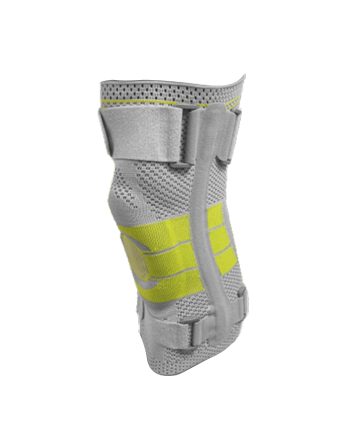
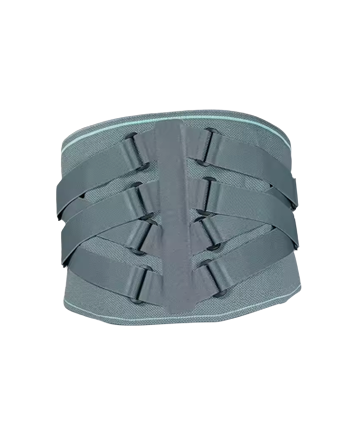
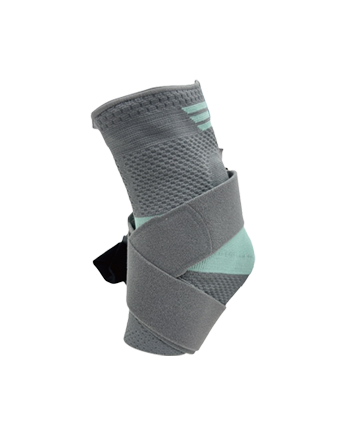
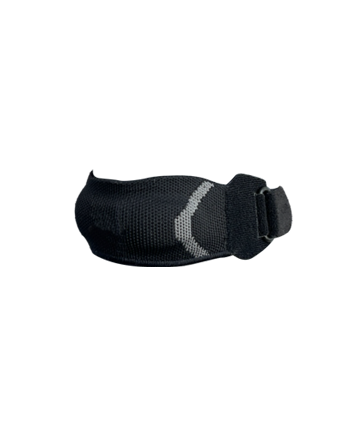
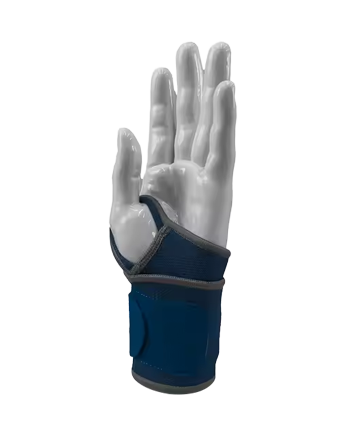
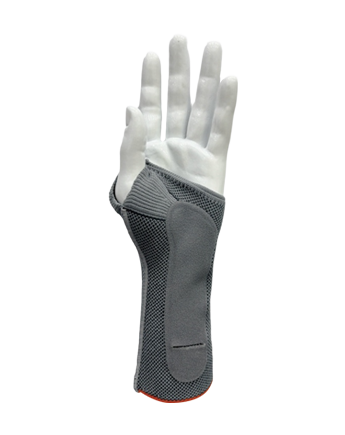
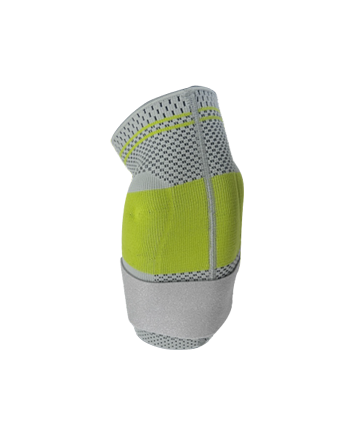
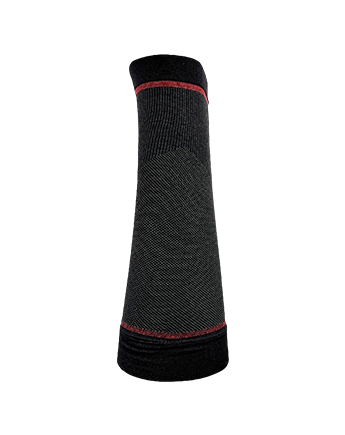
In daily life, small support tools can have a larger impact than many people expect. For athletes, active workers, and people managing joint discomfort, a properly chosen knee support product can affect how confidently they move through the day. As more buyers look for practical ways to improve comfort without adding extra bulk or complexity, the role of a well-designed Knee Brace has drawn growing attention.
The current conversation around joint support is no longer limited to recovery alone. Many users now view a brace as part of everyday movement, whether they are walking, training, standing for long periods, or trying to reduce strain during routine activities. That shift has pushed attention toward features such as comfort, breathability, weight, and fit quality.
A knee brace is often chosen because someone wants more confidence in motion. That may come after strain, during exercise, or simply during tasks that place repeated pressure on the knees. In each case, the brace needs to do more than stay in place. It should work with the body rather than against it.
What users usually look for
These preferences reflect a broader trend in health and performance products. Buyers are paying closer attention to whether an item feels wearable across different situations, not just whether it looks supportive in packaging or on a product page.
Comfort is often the good thing people notice, and it usually determines whether a brace will actually be worn consistently. A design that rubs, traps heat, or feels stiff can quickly become difficult to use. A more comfortable brace, by contrast, may be easier to keep on during work, exercise, or long periods of standing.
Breathability is part of that comfort equation. Materials that allow air circulation can make a noticeable difference, especially when the brace is worn for extended periods. For active users, this can matter during movement, while for daily users it matters during long routines where the brace must remain practical for hours at a time.
A supportive product should create reassurance rather than distraction. When a brace feels too noticeable, too rigid, or too warm, wearers may remove it sooner than planned. Comfort, then, is not just a convenience feature. It plays a direct role in whether the support product is useful in real life.
No two knees are exactly the same, and support needs can differ from person to person. That is why fit matters so much. A brace that slides around or presses unevenly can create frustration, while one that can be adjusted properly is more likely to feel secure and usable.
Common fit features buyers evaluate
Adjustability also supports different use cases. Someone may need a firmer feel for sport and a softer feel for daily wear. Another user may want a more secure fit during activity but a lighter feel during rest. A brace that allows those changes can serve more than one purpose.
In this way, a Knee Brace becomes less of a fixed product and more of a flexible support tool. That flexibility is one reason it continues to attract attention from both active consumers and people looking for practical everyday support.
Bulky support gear can sometimes do the job, but it may not always be comfortable enough for regular use. A lighter, more streamlined design is often easier to wear for longer periods because it feels less intrusive and more natural.
That does not mean support should be sacrificed. Instead, the challenge is to combine structure with wearability. A brace should feel supportive while still allowing movement, bending, and walking without unnecessary resistance. When the design is balanced well, users are more likely to forget they are wearing it, which is often a sign that the product is fitting into their routine rather than interrupting it.
This is especially relevant for people who are active during the day. Whether they are moving between tasks, exercising, or staying on their feet for work, they usually want support that stays discreet. A streamlined brace can help reduce the sense of bulk while still offering the reassurance people expect.
The following table shows how different features affect the user experience and why they matter in real use.
| Feature Area | What to Look For | Why It Matters |
|---|---|---|
| Comfort | Soft, wearable feel | Helps the brace stay usable longer |
| Breathability | Air circulation and moisture control | Supports extended wear |
| Fit | Secure but not restrictive | Reduces slipping and discomfort |
| Adjustability | Straps or other customization points | Helps match different needs |
| Weight | Light and streamlined construction | Improves everyday wearability |
| Support Feel | Stable without feeling stiff | Encourages natural movement |
Interest in knee support is broadening across several groups. Some people want help during sports or training. Others are looking for support during long shifts, active routines, or periods when their joints feel under more pressure than usual. There are also users who simply want a stable and comfortable option that can be worn when needed.
Common user groups
Because needs vary so widely, one design rarely fits everyone in exactly the same way. This is why adjustability and comfort continue to matter so much. A good brace should be adaptable enough to serve different routines without forcing the user to compromise heavily on wearability.
A support product earns attention when it solves a real problem without creating a new one. That is often the balance buyers are looking for. They want stability, but they also want freedom of movement. They want reassurance, but they also want comfort. They want a product that feels useful without being distracting.
The right Knee Brace can fit that space. It may not draw much attention when it is working properly, and that is often the point. When a brace feels natural, secure, and easy to wear, it becomes part of the wearer's routine rather than a burden.
For consumers reading product pages, comparing support options, or thinking about daily comfort, those details matter. A brace that is breathable, adjustable, and lightweight is more likely to be used consistently than one that feels cumbersome or overly complicated.
As people continue to look for practical ways to support movement and comfort, knee braces remain a relevant part of the conversation. The category is no longer defined by support alone. It is shaped by wearability, fit, airflow, and the ability to adapt to different routines.
That is why buyers often pay close attention to how a brace feels during longer use, how well it adjusts to the body, and whether it remains comfortable throughout the day. In the end, the good useful support products are usually the ones that fit naturally into real life.For more product inspiration and support-related ideas, visit steriger.
Steriger is a national high-tech enterprise specializing in the R&D and production of high-quality sports supports, medical braces, and sports compression socks.
Copyright © Zhejiang Steriger Sports Medicine Technology Co., Ltd.
The information provided on this website is intended for use only in countries and jurisdictions outside of the People's Republic of China.

Approval No: 浙金药监械生产备20200039号

 English
 Español
 Deutsch
 عربى
عربى Français