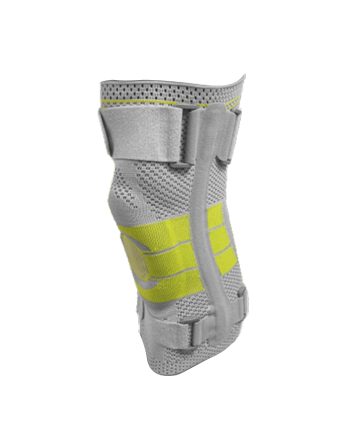
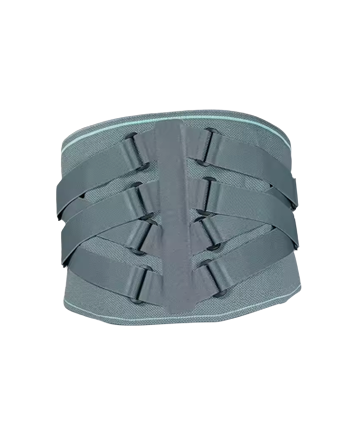
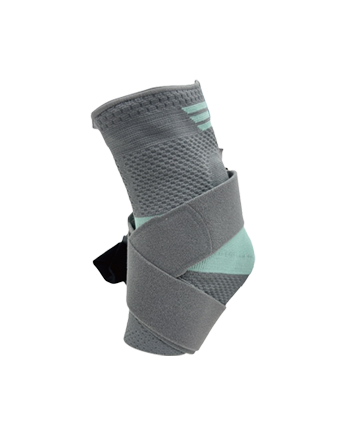
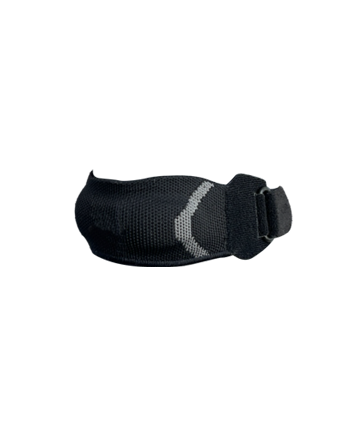
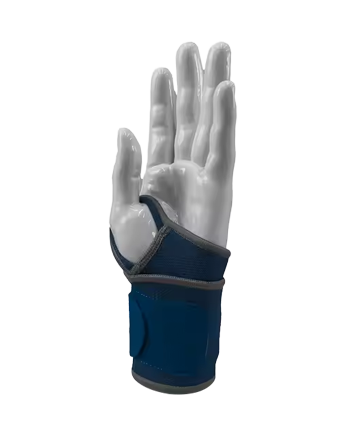
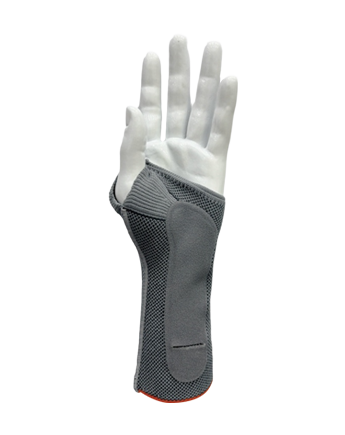
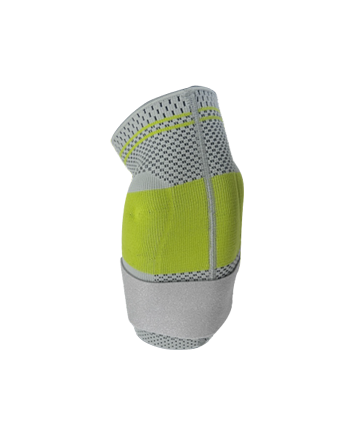
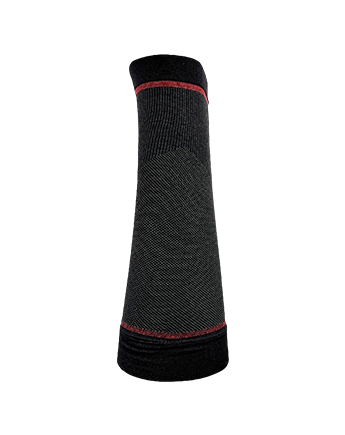
Bracing for hand and wrist discomfort has become a common, low-risk option that many people try before pursuing more invasive treatments. Health professionals often recommend temporary immobilization or neutral positioning to reduce nerve pressure, protect healing tissues, and limit painful motion. This report explains typical scenarios where a support may help, what people can expect from short-term use, and when clinical evaluation is advisable.
When people reach for a wrist or palm support
- Nerve compression and nocturnal symptoms — When the nerve that travels through the wrist becomes irritated and squeezed within the confined tunnel there, people may experience numbness, tingling, weakness, or aching in the hand and fingers. Because wrists commonly bend during sleep, these sensations often appear or worsen at night. A support that holds the wrist in a neutral position can ease pressure and improve overnight comfort.
- Recent trauma and suspected fractures — After a fall or sudden impact, a stabilizing support can limit motion and reduce pain while a person arranges for medical assessment. Short-term immobilization helps prevent further injury and can make it easier to travel for care. However, early professional assessment remains important when there is obvious deformity, large swelling, or severe pain.
- Overuse and soft-tissue irritation — Repetitive tasks can inflame tendons and other soft tissues. Wearing a support that reduces repetitive motion gives irritated tissues a chance to rest, while still allowing many day-to-day activities to continue.
- Chronic joint discomfort — For people with long-term joint pain, stability from a brace can reduce strain during certain activities and sometimes improve function.
Practical uses and sensible good steps
- Nighttime symptom control — If numbness or tingling regularly disrupts sleep, stabilizing the wrist in a straight posture may relieve symptoms and improve rest.
- Short-term protection after minor injury — Wearing a support overnight following a low-impact fall can be prudent while arranging clinical review.
- Activity modification during flare-ups — Temporary support can be combined with changes in work or hobby ergonomics to reduce recurrence of symptoms.
How different supports compare
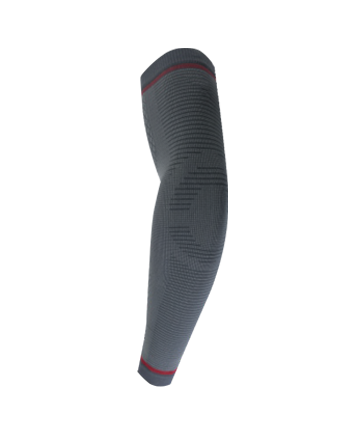
- Flexible sleeves and compression sleeves — Offer mild stabilization and comfort, suitable for fatigue or intermittent discomfort while preserving dexterity.
- Structured stabilizers — Limit specific wrist motions and are usually preferred when protection or strict immobilization is needed for healing.
Choosing what to use
- Fit matters — The effective support is one that fits well and is comfortable enough to use consistently.
- Intended effect — Decide whether the goal is mild relief, motion restriction, or protective immobilization; different supports achieve different aims.
- Combine with care — Support is often one part of a plan that may include activity changes, therapeutic exercises, or professional treatments.
Common Situations to Wear a Palm Support and Suggested Action
| Condition |
How a Palm Support Helps |
When to Consult a Clinician |
| Nerve compression symptoms |
Holds wrist neutral to reduce nerve pressure and ease night symptoms. |
If numbness or weakness persists or limits daily tasks. |
| Recent fall or trauma |
Limits motion and provides short-term protection until assessed. |
If there is deformity, marked swelling, or severe pain. |
| Tendon or soft-tissue strain |
Reduces repetitive stress and allows tissue rest. |
If pain does not subside with rest or returns quickly. |
| Chronic joint discomfort |
Adds stability and can improve function during activity. |
If function declines or new patterns of pain emerge. |
Signals that warrant prompt medical review
- Persistent or worsening numbness or loss of strength in the hand.
- Obvious change in shape of the wrist or hand after trauma, or rapidly increasing swelling.
- Inability to use the hand for basic tasks despite short-term support and rest.
If any of these signs occur, a clinician can determine whether imaging, targeted splinting, or another treatment path is required.
Practical tips for responsible use
- Treat bracing as a supportive measure, not a standalone solution. Combining support with ergonomic adjustments, therapeutic exercises, and professional guidance usually produces better outcomes.
- Follow guidance on duration — Prolonged immobilization without supervision may reduce muscle strength or slow recovery. Use structured stabilizers as recommended and transition to active rehabilitation when appropriate.
- Comfort promotes compliance — Supports that stay in place and avoid skin irritation are more likely to be used consistently, which improves benefit.
Patient experience and design trends
Designers and clinicians are paying attention to balance: supports that offer enough restriction to protect healing tissues while allowing comfort and breathability tend to be accepted more by users. People seeking relief often consider factors such as ease of use at night, ability to perform necessary tasks during the day, and whether a support can be cleaned and adjusted easily.
Looking Ahead: Support as Part of Everyday Hand Care
A wrist or palm support can be a reasonable initial measure for nerve-related night symptoms, mild injuries, and flare-ups of repetitive strain. It can protect healing tissues and improve comfort, yet it is only one component of effective care. Individuals with severe symptoms, clear deformity after injury, or persistent functional loss should pursue timely clinical evaluation to secure the correct diagnosis and treatment plan. For more information and product details, visit steriger.



 English
 Español
 Deutsch
 عربى
عربى Français