Home / News / Industry News / Knee Sleeve vs Knee Brace: What's the Difference and Which Should You Use
Press & Events

Knee Sleeve vs Knee Brace: What's the Difference and Which Should You Use

Knee discomfort often sneaks up gradually, making ordinary things—walking the dog, hitting the gym, or even getting out of a chair—feel uncertain or painful. With countless knee supports on the market, it's tempting to think they're all pretty much the same. But picking the wrong one can leave you either underprotected or overly restricted. Knowing the true difference between a knee sleeve and a knee brace can genuinely improve your daily comfort, movement confidence, and any recovery process. So which one is actually right for you?

What Is a Knee Sleeve?

Knee Sleeve

A knee sleeve is a snug, stretchy tube that pulls on over the knee, much like a thick sock. It's typically made from flexible materials like neoprene, nylon, spandex, or comparable elastic blends.

Its primary roles are:

  • Compression: The gentle, even pressure boosts circulation, helps control minor swelling, and can ease light pain.
  • Warmth: The material traps body heat, loosening up the surrounding muscles and soothing the joint.
  • Enhanced proprioception: It heightens your sense of where the knee is in space, so movement feels more secure and controlled.

Knee sleeves have no hard parts or rigid supports. They rely entirely on compression and sensory input rather than physically limiting how the joint bends or twists. That's why they stay light, comfortable, and unobtrusive—perfect when you want support without sacrificing natural range of motion during everyday activities or exercise.

What Is a Knee Brace?

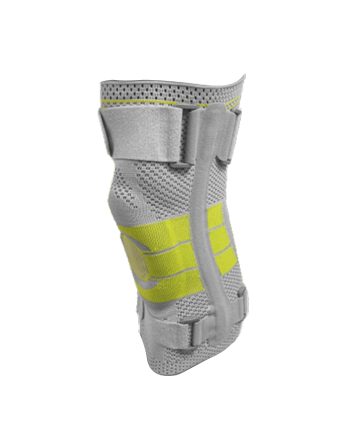
Knee Brace

A knee brace is a more structured support device designed to provide mechanical stability and control over knee movement. Unlike knee sleeves, knee braces often include rigid or semi-rigid components such as:

  • Metal or plastic frames
  • Hinges
  • Adjustable straps
  • Reinforced panels

Knee braces are commonly used in scenarios where preventing certain movements, limiting stress on injured tissues, or stabilizing the joint is critical. For example, people recovering from ligament injuries, those with structural instability in the knee, or athletes looking for rigid protection during high-impact activities may be recommended knee braces.

There are various types of knee braces, including:

  • Functional braces: Designed for people with ligament injuries, especially those recovering from ACL or MCL tears.
  • Rehabilitative braces: Used after surgery to protect the knee while controlling healing motion.
  • Unloader/offloader braces: Specialized for conditions like osteoarthritis, designed to reduce pressure on one side of the knee joint.

Because of their rigid elements, knee braces are less flexible than sleeves but provide significantly more support and control when needed.

How Knee Sleeves Work

Knee sleeves function primarily through compression and proprioceptive feedback. Here's what that means in practice:

  • Compression
    • Compression increases circulation around the knee, which can help reduce swelling and assist with pain relief. Especially during and after activity, better blood flow supports muscle recovery.
  • Warmth
    • The material used in knee sleeves traps heat — similar to wearing a warm wrap — which can reduce stiffness and make movement smoother and more comfortable.
  • Proprioception
    • When your knee feels "supported" through compression, your brain receives enhanced sensory feedback. This often leads to improved movement control and a sense of confidence during activity.

Because they are flexible and do not restrict motion, knee sleeves are especially useful when your priority is comfort, warmth, and mild support — not mechanical stabilization.

How Knee Braces Work

Knee braces operate on a different principle: mechanical control.

This means they physically restrict or guide the motion of the knee joint. Depending on the design, a knee brace may:

  • Limit side-to-side movement
  • Prevent hyperextension
  • Reduce stress on specific ligaments
  • Provide shock absorption through rigid frames

The inclusion of hinges or adjustable straps gives a knee brace precise control over joint motion. This is particularly important for people with structural knee issues, such as ligament tears or post-surgical weakness. In these cases, the brace acts almost like an external support system, taking stress off vulnerable tissues while still allowing safe movement.

When to Use a Knee Sleeve

A knee sleeve is the right pick in these situations:

  • You're dealing with mild knee discomfort If your knee gets achy during or after activity, or feels stiff after sitting for a while, a sleeve provides light, soothing support.
  • You want more warmth and better circulation It's especially helpful in chilly conditions or when you need a quick warm-up before moving.
  • You could use better joint awareness When your knee feels a bit "off" or vague but isn't truly wobbly, a sleeve sharpens that feedback and makes movement feel smoother and more assured.
  • Comfort is the priority, not restricting motion Since sleeves don't lock or limit the knee, they work great for daily wear, easy workouts, and general activity without getting in the way.

Overall, knee sleeves excel at prevention, everyday comfort, minor pain relief, and support during lighter activities.

When to Use a Knee Brace

A knee brace is the better option when:

  • You have ligament instability or damage If ligaments are weakened, torn, or recovering from surgery, a brace delivers the firm mechanical stability needed.
  • You need to control or restrict specific movements During recovery or rehab, blocking risky motions—like side-to-side shifting or overextending—helps protect healing structures.
  • Your activities are high-impact or involve quick changes of direction Sports such as basketball, soccer, skiing, or heavy lifting often demand the added structural reinforcement a brace provides.
  • A doctor or therapist has recommended it For conditions like osteoarthritis, post-ligament surgery, or noticeable instability, professionals frequently prescribe a particular brace style.

In summary, knee braces are ideal for substantial support, protecting the joint under heavy stress, and aiding rehabilitation.

Pros and Cons Overview

Knee Sleeves: Advantages

  • Feel light and stay comfortable even during longer wear
  • Help retain heat and improve circulation around the knee
  • Provide relief from minor pain and soreness
  • Heighten your sense of joint position for better control
  • Quick and effortless to put on whenever needed

Knee Sleeves: Shortcomings

  • Offer no structural or mechanical reinforcement
  • Aren't appropriate for moderate or severe knee problems
  • Deliver only minimal, gentle support rather than firm stability

Knee Braces: Advantages

  • Give genuine mechanical stability to the joint
  • Effectively protect compromised or healing ligaments
  • Allow control over particular movements that might cause injury
  • Work well during structured rehab and recovery periods

Knee Braces: Shortcomings

  • Tend to be heavier and more noticeable
  • Can limit natural movement more than necessary
  • Demand accurate sizing and careful adjustment to function well
  • Usually carry a higher price tag than simple sleeves

How to Choose the Right Support

Whether to go with a knee sleeve or a knee brace really depends on your own situation. Here are the main factors to weigh:

  • How Bad Are Your Symptoms? Occasional light pain or stiffness is often handled nicely with a sleeve. Regular feelings of instability or a past ligament tear usually call for the stronger backing of a brace.
  • The Activities You're Doing Daily routines and lower-impact movement—walking, light cycling, or easy gym work—go well with the freedom of a sleeve. Intense sports, rapid direction changes, or heavy loads are safer and better supported with a brace.
  • Immediate Comfort or Ongoing Protection? If you're after prevention, warmth, or simple daily ease, a sleeve is practical and low-key. For recovery from injury or managing a lasting joint issue, a brace tends to be the more reliable choice.
  • Talk to a Professional When you're not sure, get advice from a physical therapist or doctor. They can check your knee's stability, watch how you move, and recommend exactly what will help most.

Tips for Good Fit and Smart Use

  • Measure Carefully Proper sizing matters for both options. Brands usually want measurements around the middle of the kneecap or just above and below—follow their guidelines closely.
  • Take It Easy at First If you're new to wearing knee support, start with short periods or lighter activities to get used to how it feels.
  • Pay Attention to Feedback Track whether pain, swelling, or wobbliness gets better or worse with the support. Any persistent or increasing problems mean it's time for a professional opinion.
  • Use Supports as Helpers Sleeves and braces assist, but they aren't a substitute for stronger muscles and better habits. Always pair them with sensible strength training, stretching, and proper technique.

Aspect

Knee Sleeve

Knee Brace

Primary Function

Comfort, warmth, and light compression

Structured mechanical support and stability

Best For

Daily movement, mild discomfort, low-impact activity

Instability, injury recovery, high-stress activities

Support Level

Light support

Firm, targeted support

Usage Advice

Choose based on comfort and activity level

Recommended when pain or instability is present

Brand Insight

Steriger emphasizes selecting knee support based on symptoms, activity level, and movement goals rather than guesswork.

Knee sleeves and knee braces each serve important but distinct purposes when it comes to looking after your knees. Sleeves prioritize comfort, warmth, and gentle compression, which makes them a great fit for daily activities, minor aches, and lower-intensity workouts. Braces, by contrast, deliver firm mechanical structure and control, so they're the better option for dealing with instability, healing from injuries, or safeguarding the knee during more demanding or high-risk movements.

At Steriger, we believe the key to effective knee support lies in matching it to your actual situation—not just picking something off the shelf. Your symptoms, how active you are, and what you want for your mobility over the long haul should all shape the choice. When you get the right support and use it properly, it can ease pain, build confidence, and let you keep moving without unnecessary worry.

If knee discomfort or unsteadiness doesn't improve, it's always smart to consult a healthcare professional. Your knees do best with thoughtful, informed attention rather than trial and error.