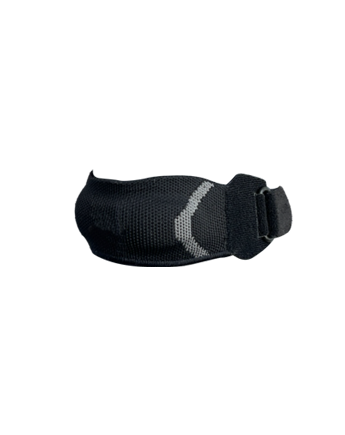
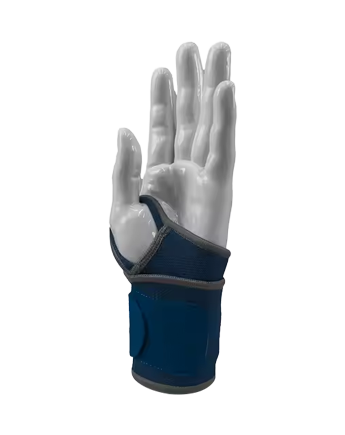
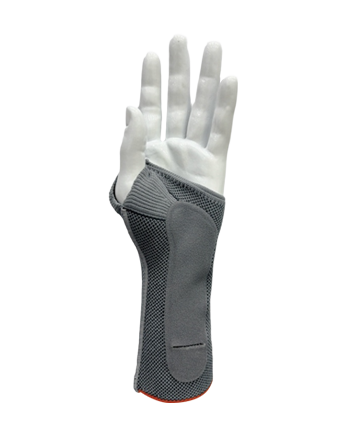
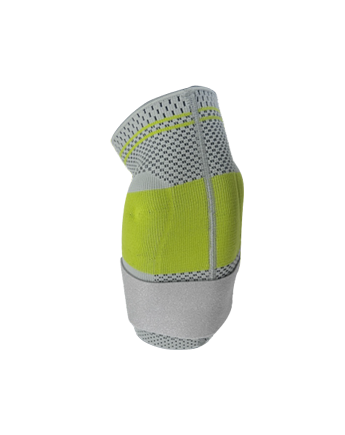
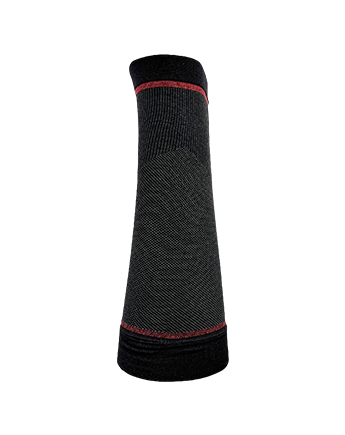
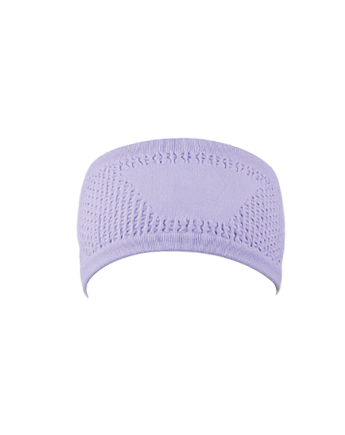
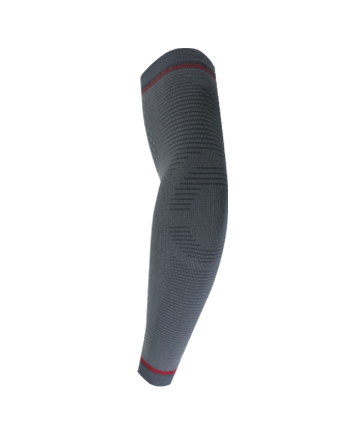
Neoprene wrist accessories show up in everyday wear, sports sessions and promotional campaigns. Material feel, construction detail, fit range and surface finish decide how the band holds up across these uses. A flexible closed-cell structure, clean edges and a fastening system that stays put without too much pressure form the core of a practical design. An Adjustable Wrist Band built from neoprene can cover a range of wrist sizes while staying light enough for continuous wear.
Neoprene's cellular structure lets the band flex with the natural movement of the wrist. Thickness and surface softness are chosen according to the intended duty: a softer hand feel suits long casual wear, while a firmer density may be preferred when the band has to resist repeated stretching. Looking at an actual material sample shows whether the chosen density and coating match the expected contact time and activity level.
Smooth, sealed edges cut the chance of fraying or irritation against the skin. Stitching, where it is used, stays even and free of loose threads. Consistent thickness and density across the length of the band keep the appearance uniform and stop weak spots from opening under tension. Checking samples for surface irregularities, uneven seams or incomplete edge sealing gives early evidence of manufacturing care.
Service life depends on the base polymer, the integrity of the fastening parts and the quality of the bonding or stitching that holds the layers together. Resistance to permanent elongation, surface abrasion and repeated opening and closing of the fastener should be verified under conditions close to actual use. Cycling tests supply more reliable information than material designation alone.
An adjustable fastening system allows one band to cover a wider spread of wrist sizes. The mechanism has to stay simple to operate yet remain locked once adjusted. A Neoprene Wrist Band carrying this feature cuts down on the number of fixed sizes needed and keeps inventory straightforward for both personal and promotional purposes.
The closure needs to remain closed through ordinary arm motion while still opening without heavy effort. Pressure on the wrist should stay steady and mild so blood flow is not limited. Testing how strongly the fastener holds and how smoothly it opens and closes shows whether the design meets everyday handling needs.
Light overall weight combined with a slim profile keeps the band from standing out while it stays in place. Free wrist movement works for both desk tasks and active use. These qualities suit regular daily wear, light sports and event hand-outs where comfort over longer periods counts.
Sports and fitness sessions treat them as light support or simple identification pieces. Outdoor recreation and casual daily wear gain from the material's give and ability to handle moisture. Promotional campaigns and events make use of the surface that can take print or color for matching branding. Corporate give-aways and similar programs look for a consistent appearance across large runs plus an adjustable fit that suits different recipients.
Material thickness, surface texture and any applied coating are checked against the planned duration and intensity of wear. The adjustment range and the security of the fastening system are tested on wrists of different sizes. Stitching, edge sealing and overall symmetry are inspected for consistency. Available color options, size ranges and any customization possibilities are confirmed. Sample evaluation and clarification of the supplier's inspection routine come before any large-scale order.
A neoprene construction that stays flexible, a fastening system that holds without discomfort, and an overall profile that does not get in the way of movement together produce a versatile wrist accessory. These attributes support both individual everyday use and larger promotional distributions. An Adjustable Wrist Band that meets these criteria can therefore serve multiple applications without needing separate designs for each.
| Attribute | Contribution to Performance | Check Before Ordering |
|---|---|---|
| Material flexibility and feel | Comfort during extended contact | Examine thickness, softness and sample hand feel |
| Edge and surface finish | Reduced irritation and clean appearance | Inspect for smooth edges and even surface |
| Construction consistency | Uniform strength and visual quality | Review stitching, bonding and dimensional evenness |
| Adjustable fastening system | Fit across a range of wrist sizes | Test engagement, release and hold under movement |
| Resistance to repeated use | Maintained shape and function over time | Confirm stretch recovery and fastener durability |
| Lightweight low-profile form | Unobtrusive wear during daily activity | Assess mass and interference with normal motion |
Material quality, careful construction and a reliable adjustable fit decide how well a neoprene wristband performs across everyday, sports and promotional settings. Looking at these elements against the actual conditions of wear and the required volume of supply produces a more suitable product than selection based on appearance alone. Zhejiang Steriger Sports Medicine Technology Co.,Ltd. produces neoprene wrist accessories for a range of applications. Going through available material densities, fastening styles, size ranges and customization possibilities against the planned use and quantity requirements allows selection of a band that meets both comfort and functional expectations.
Steriger is a national high-tech enterprise specializing in the R&D and production of high-quality sports supports, medical braces, and sports compression socks.
Copyright © Zhejiang Steriger Sports Medicine Technology Co., Ltd.
The information provided on this website is intended for use only in countries and jurisdictions outside of the People's Republic of China.

Approval No: 浙金药监械生产备20200039号

 English
 Español
 Deutsch
 عربى
 Français