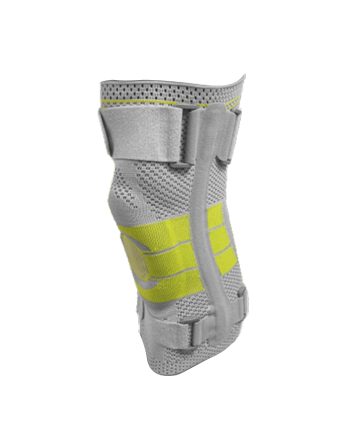
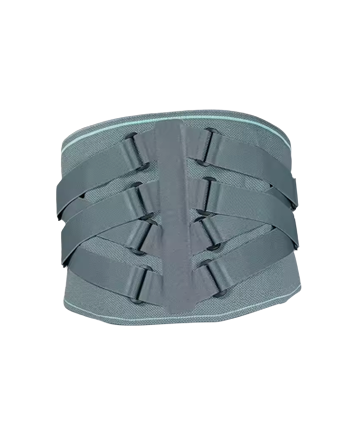
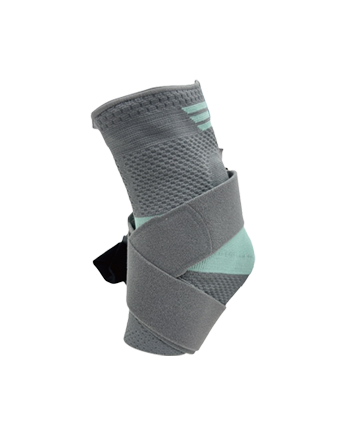
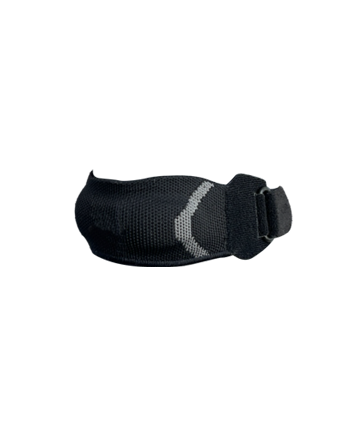
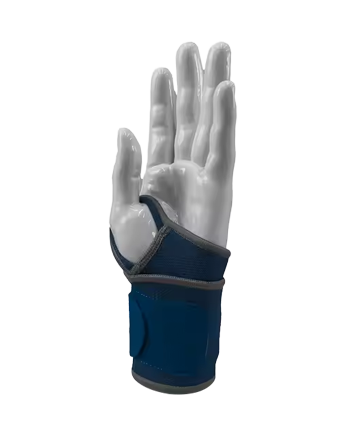
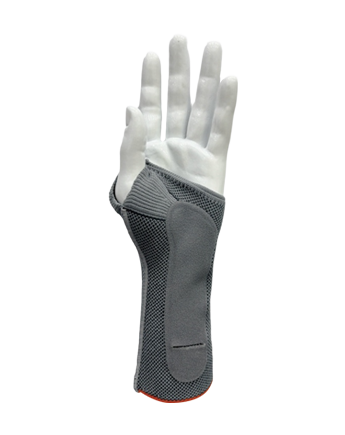
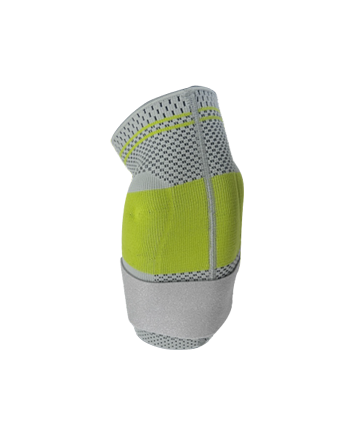
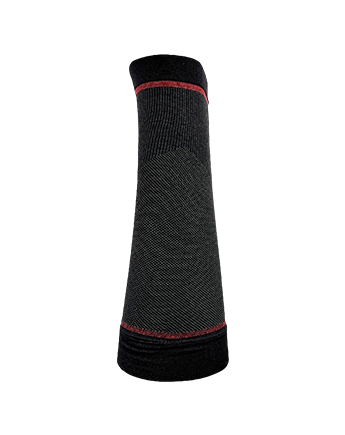
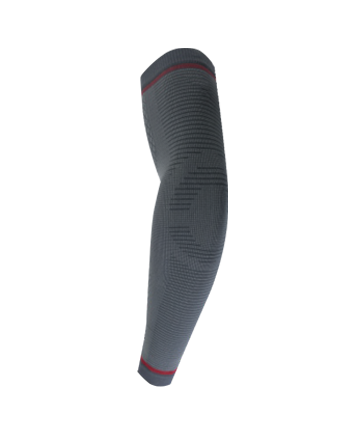
A customer may order Knee Sleeves with a genuinely clear expectation, only to discover after delivery that the product doesn't fit their daily needs the way they imagined. The sleeve may look suitable in product photos, yet feel different when worn, appear different from the displayed version, or create practical difficulties that weren't obvious during the purchase itself.
Returns often begin with a small gap between what the buyer imagined and what actually arrived at their door. The concern may involve sizing, material feel, appearance, packaging, product information, or the way the sleeve fits into the customer's daily routine, and these details can become especially important for retailers because a returned item may also raise questions about product listings, customer service, and future purchasing decisions.
For a Knee Sleeves Factory, return feedback provides genuinely useful information about how customers interpret product details before buying. It can show whether sizing guidance is easy to understand, whether product images create realistic expectations, and whether the supplied item matches the impression created before purchase.
A return doesn't always mean that a product has a manufacturing defect hiding somewhere. Many customers return Knee Sleeves because the item doesn't match their personal expectations, or because the product information led them to imagine a genuinely different wearing experience.
Some buyers expect a firm feel but receive a softer sleeve, while others expect a flexible item for daily wear and find the material more structured than anticipated. A customer may also choose a product because of its appearance in an online image and later feel that the actual color, shape, surface, or overall presentation looks different.
| Customer Concern | Possible Reason for Return |
|---|---|
| Fit feels different | The buyer misunderstood the sizing information |
| Material feels unsuitable | The product texture was not clear online |
| Appearance differs | Photos did not show the actual product clearly |
| Sleeve moves during use | The customer expected a different fit |
| Product feels uncomfortable | Wearing habits differ from the expected use |
| Packaging looks different | The delivered package differs from expectations |
| Product information is unclear | Important details were difficult to find |
These issues can appear even when the item has been produced according to the original order specifications. The underlying problem may instead be a mismatch between product presentation and customer interpretation of that presentation.
This is why return analysis needs to look beyond production accuracy alone. The complete purchase experience includes what customers see before ordering, what they receive after delivery, and how the product fits into their ordinary daily routine.
Sizing is a genuinely common source of dissatisfaction, because customers may not understand how a sleeve is expected to fit before placing an order online. A buyer may select a familiar clothing size and assume that the same choice will apply to Knee Sleeves, without considering differences in body measurements, material stretch, or personal wearing preference.
That assumption can create problems after delivery arrives at the door. One customer may prefer a close fit around the leg, while another may expect more room, and neither preference is necessarily reflected by a simple size label printed on the packaging.
Product pages sometimes provide size categories without explaining how customers should interpret them in practical terms. When the measurement method or intended fit remains unclear, buyers get left to make a decision based on guesswork rather than solid information.
Retail feedback often includes comments such as the sleeve feeling too tight around the knee, or the product feeling looser than expected once worn. Other comments mention that the size label is difficult to understand, or that the sleeve doesn't sit the way it appeared in the photos.
These comments can point toward communication problems, rather than a single production issue affecting one batch. If similar feedback appears repeatedly across many orders, retailers may need to review how sizing information gets presented on the product page itself.
A Knee Sleeves Factory can support this process by providing consistent labels, clear measurement guidance, and images that show the product in a natural position on a leg. Retailers can also explain the expected fit in direct language, without making unsupported promises about universal comfort.
The purpose is helping customers make a more informed decision before ordering, rather than relying on assumptions carried over from familiar clothing size labels.
Online shopping makes texture genuinely difficult to judge before an item arrives. A product image can show the color, shape, and general appearance of Knee Sleeves, but it can't fully communicate how the material feels during handling or extended wear throughout a day.
A buyer may expect a soft surface after viewing a lifestyle image, only to find that the actual material feels firmer, thicker, smoother, or warmer than imagined. Another customer may expect a more structured feel and become dissatisfied when the sleeve feels lighter or more flexible than anticipated instead.
| Feedback Type | Possible Expectation Gap |
|---|---|
| Fabric feels too firm | Buyer expected a softer surface |
| Material feels too light | Buyer expected a more substantial product |
| Surface feels different | Online photos did not show texture clearly |
| Product feels warm | Buyer did not consider the wearing environment |
| Fabric stretches differently | The listing did not explain the wearing feel |
These differences don't automatically indicate poor product quality on the manufacturer's part. They may instead reflect personal preference or simply a lack of information available before purchase.
Simple material descriptions can help narrow this expectation gap considerably. Close-up images may also give customers a genuinely better impression of surface texture and fabric structure before they commit to buying.
For manufacturers, this feedback can influence sample approval, product photography, catalog wording, and communication with retailers down the line. Different customer groups may also need different descriptions, because their expectations around comfort and texture aren't always the same.
Appearance has a genuinely strong influence on online purchasing, because customers often decide whether a product suits them before they can physically inspect it in person. Knee Sleeves may get selected according to color, surface appearance, shape, stitching visibility, or the way the sleeve looks when actually worn.
A small visual difference can become genuinely important, when the buyer expects the product to match existing clothing or equipment they already own. Someone may expect a dark, simple appearance but receive a shade that looks lighter under ordinary indoor lighting, while another buyer may expect a smooth surface and notice visible seams after delivery.
Product photography can also create confusion, when lighting, camera angles, or image editing make the item appear different from its normal appearance in person. The issue becomes a lot more noticeable when customers compare the delivered product directly against the main image on a product page.
Return feedback may mention the color looking different from the image, or the sleeve shape not matching what was expected beforehand. Comments may also note that the surface appears more textured than shown, or that stitching is a lot more visible than expected in person.
A Custom Knee Sleeves order can make appearance requirements more important to confirm from the outset. Buyers may have agreed on specific colors, surface details, labels, or packaging elements, so differences between the approved version and delivered goods can result in genuine complaints.
Accurate product photography and clear confirmation of custom details can reduce misunderstandings considerably before an order moves forward into production.
A product description may sound appealing on the page while leaving out details that matter during actual daily use. Words such as comfortable, easy to wear, or suitable for daily activities can mean genuinely different things to different customers reading the same listing.
One buyer may interpret comfort as a soft and flexible feel against the skin, while another may associate it with a close fit or a stable position that doesn't shift. If the description doesn't explain the expected wearing experience in practical terms, customers may fill the gaps with their own assumptions instead.
This can cause disappointment even when the product matches the seller's internal specifications. The issue is not necessarily the wording itself, but how much useful information is available to the buyer before making a purchase.
A useful product listing can address practical questions like how the size should get selected, or what the material feels like during handling. It can also clarify whether the product is intended for everyday wear or particular activity settings, and how it should be cleaned and stored afterward.
Clear language helps customers form expectations that are genuinely closer to the actual product they'll receive. It also gives retailers fewer questions to answer after delivery lands on the customer's doorstep.
For a Knee Sleeves Factory, repeated feedback about unclear descriptions can prove valuable, because the product itself may not require any change at all. Better wording, clearer images, and more complete information may address some of the concerns instead of a redesign.
Packaging is easy to overlook, because customers naturally focus their attention on the product sitting inside the box. Yet the package is genuinely part of the purchase experience and can influence how the delivered item ultimately gets judged by the buyer.
A customer may expect a neatly presented product after seeing a polished online listing beforehand. If the package arrives damaged, poorly sealed, or noticeably different from the displayed version, the buyer may start questioning whether the item was handled properly during shipping.
| Packaging Issue | Customer Reaction |
|---|---|
| Damaged outer package | Concern about handling during delivery |
| Missing product information | Difficulty identifying the item |
| Different package appearance | Feeling that the wrong product arrived |
| Poor internal protection | Concern about product condition |
| Difficult opening | Frustration during inspection |
Not every packaging difference requires a return, but presentation can genuinely influence confidence in the purchase overall. This can matter even more, when the item gets sold through a retail collection or supplied as part of a professional order for a business.
Manufacturers and retailers can review how Knee Sleeves get packed, identified, and protected during transportation from warehouse to doorstep. Product names, labels, and packaging information should make it easy for the customer to confirm that the delivered item genuinely matches the order.
Packaging consistency can also reduce unnecessary customer service questions down the line. When the product and package clearly correspond with the online listing, buyers have a lot fewer reasons to wonder whether they received the intended version.
Customers often make their final judgment after wearing Knee Sleeves during ordinary daily activities, rather than immediately after opening the package at home. A sleeve may look suitable when placed on a table but feel different, when the customer bends, sits, walks, changes clothing, or wears it for a longer period of time.
The sleeve may shift during movement, feel restrictive in certain positions, or become more noticeable under clothing than expected. These experiences may result in a return when the buyer expected a different day-to-day experience from the product.
The customer's own routine can influence this reaction quite a bit. Someone who sits for long periods may notice different pressure or contact areas than someone who moves frequently throughout the day, while a customer wearing the sleeve beneath loose clothing may have different expectations from someone wearing it beneath close-fitting garments.
Retail comments can help reveal these differences clearly. A customer may report that the sleeve feels suitable during short use but becomes less convenient over a longer period, while another may say the product feels different when sitting compared with standing up.
Such feedback shouldn't automatically get treated as proof of product failure on the manufacturer's part. It may instead indicate that the intended wearing conditions weren't explained clearly enough before purchase happened.
For manufacturers and retailers, these comments can help clarify who the product is genuinely intended for and which everyday situations should get shown or described on the product page itself.
Customers rarely purchase Knee Sleeves without considering what they'll actually wear alongside them during the day. They may plan to use the sleeve with work trousers, training clothing, jeans, uniforms, or outdoor garments, and the relationship between the sleeve and those clothes can genuinely influence whether the purchase feels suitable afterward.
A buyer may discover that the sleeve creates visible edges beneath thinner clothing that draw unwanted attention. Another may find that the upper section catches on fabric while dressing, while someone purchasing the product for work may find it genuinely inconvenient beneath a uniform.
| Clothing Situation | Possible Concern |
|---|---|
| Fitted trousers | Visible edges or added bulk |
| Loose outdoor clothing | Different expectations about appearance |
| Work uniform | Difficult adjustment during the day |
| Sportswear | Material feels noticeable |
| Layered clothing | Product feels crowded beneath fabric |
These concerns are connected to the customer's actual daily routine, rather than the product alone in isolation. A sleeve that suits loose clothing may not create the same experience beneath fitted garments worn to an office.
Retail descriptions can acknowledge these practical differences without making broad promises that don't hold up. Images showing the sleeve alongside ordinary clothing may also help customers understand how it may appear in real situations they'll actually encounter.
For suppliers, repeated clothing-related feedback can reveal an overlooked part of the purchase decision entirely. Customers aren't only evaluating the sleeve itself; they're also considering how it fits into what they already wear every day.
Customers who reorder Knee Sleeves often expect the new shipment to look and feel similar to a previous purchase they were happy with. If the material, color, label, packaging, or overall appearance seems different, the buyer may believe that the wrong product got supplied by mistake.
Small variations become a lot easier to notice, when two products get placed side by side for comparison. A retailer may also receive complaints when packaging has changed while the product name remains the same, or when different product versions appear under similar listings on the same page.
Possible sources of confusion include updated packaging that looks noticeably different, or different fabric batches that feel slightly off compared to before. Changes in surface appearance, revised labels, or slight color differences can also contribute to this kind of confusion between orders.
Clear product version information can reduce these misunderstandings considerably before they escalate into a return. Retailers should know whether an item has changed before placing repeat orders or updating online listings with new photos.
For a Custom Knee Sleeves project, this becomes particularly relevant, because buyers may expect a genuinely specific appearance across repeated orders placed months apart. If the sleeves form part of a retail collection, noticeable differences between batches can also affect product recognition on the shelf.
Communication between buyers, retailers, and suppliers can help establish which details need to remain consistent and which changes should get communicated clearly before the next order goes through.
A single return may reflect personal preference and nothing more concerning. Repeated returns with similar comments, though, can genuinely point toward a broader purchase issue worth investigating further.
Feedback can get grouped into areas such as sizing, appearance, material feel, packaging, product descriptions, clothing compatibility, and wearing experience. This makes recurring patterns a lot easier to identify, without assuming that every complaint shares the same root cause.
| Feedback Category | Question to Review |
|---|---|
| Sizing | Did customers understand the size guidance? |
| Material | Was the fabric feel described clearly? |
| Appearance | Do product images reflect the delivered item? |
| Packaging | Does the package arrive in expected condition? |
| Product listing | Are important details easy to find? |
| Repeat orders | Does the new batch match earlier purchases? |
| Clothing use | Does the product suit the expected clothing situation? |
| Wearing experience | Were everyday conditions explained clearly? |
This information can genuinely improve communication between retailers and suppliers going forward. It can also help a Knee Sleeves Factory identify whether a concern relates to the physical product, product presentation, packaging, or customer expectations formed before the sale.
Reducing returns doesn't require treating every single return as evidence of a product problem needing a fix. A genuinely more practical approach is understanding whether the reason came from fit, appearance, information, packaging, personal preference, or a difference between the ordered and delivered item.
Retailers can improve product pages with clear language, realistic images, understandable size guidance, and practical information about material feel and wearing situations customers will actually face. Customer reviews can also get organized around common concerns, so future buyers can learn from actual purchase experiences shared by others.
A Knee Sleeves Factory can support this process by keeping product descriptions consistent, communicating product changes clearly, and providing accurate samples for wholesale buyers to review beforehand. When retailers receive reliable information, they can create product listings that give customers a genuinely clearer impression before an order gets placed.
Returned items can also get reviewed according to their actual reason for return rather than lumped together. A sleeve returned because of a damaged seam needs a genuinely different response from one returned because the customer expected a softer material or a different appearance entirely.
This distinction helps suppliers and retailers avoid unnecessary product changes that don't address the real issue. It also turns return feedback into practical information for product communication, catalog management, packaging decisions, and future purchasing discussions between partners.
Steriger is a national high-tech enterprise specializing in the R&D and production of high-quality sports supports, medical braces, and sports compression socks.
Copyright © Zhejiang Steriger Sports Medicine Technology Co., Ltd.
The information provided on this website is intended for use only in countries and jurisdictions outside of the People's Republic of China.

Approval No: 浙金药监械生产备20200039号

 English
 Español
 Deutsch
 عربى
عربى Français