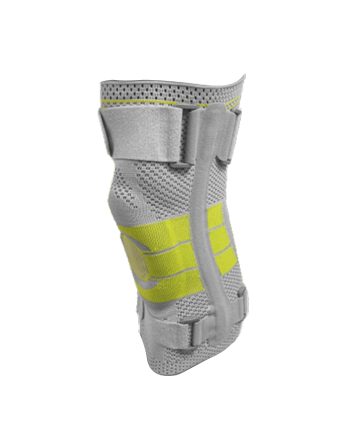
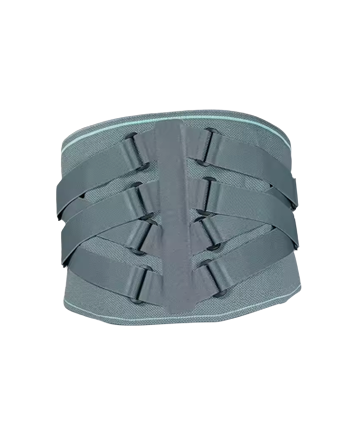
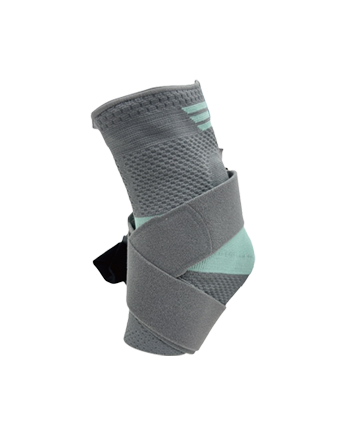
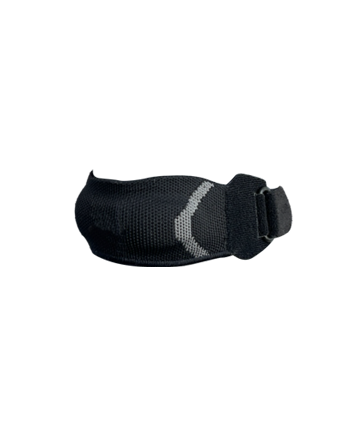
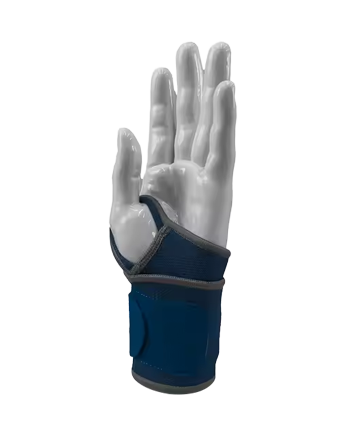
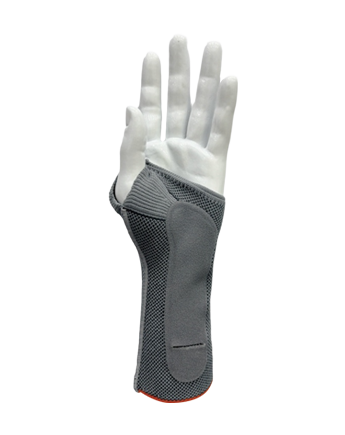
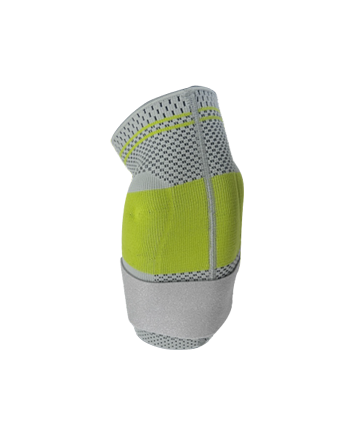
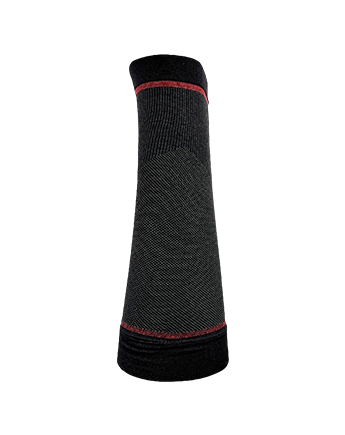
Grab two wrist wraps off a shelf at a sporting goods store, and they might look almost identical from a few feet away, both wrapping snugly around the wrist, both fastening with some kind of strap. But pick them up and actually compare them, and the differences show up fast. A wrist brace and a Nylon Wrist Support may share that basic wrap-around shape, yet their construction, their intended purpose, and how much movement they actually allow can be worlds apart. Getting clear on those differences helps everyday consumers, athletes, retailers, and procurement teams pick the right product based on what they'll actually use it for, rather than just how it looks sitting on a shelf.
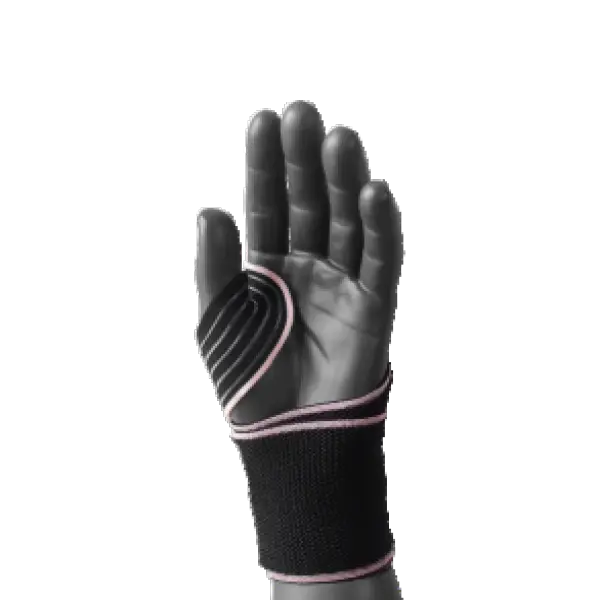
A wrist brace generally leans toward structured, controlled support. It's often built to limit certain wrist movements or hold the joint in a more secure, fixed position. A Nylon Wrist Support, on the other hand, connects a lot more closely to sports, fitness, and general daily activity, where someone wants a sense of support but still needs to move their wrist naturally through a workout.
This distinction isn't really about material alone. Design, fit, flexibility, fastening style, and intended use all shape how someone actually experiences the product once it's on their wrist.
A wrist brace is usually designed around stability and controlled movement, plain and simple.
Its structure often includes firmer sections that help hold the wrist in a particular position while it's being worn. That kind of design becomes genuinely useful in situations where limiting movement is exactly the point. Exact designs vary a lot between products, though, so checking a manufacturer's specific instructions before deciding how to use a given brace matters.
A brace might cover more of the wrist or even part of the hand compared to a simpler support. Some designs also work in additional structural pieces that make the whole thing feel noticeably more secure and locked in place.
| Design Focus | What It Typically Does |
|---|---|
| Structured construction | Creates a more stable, held-in-place feel |
| Secure fastening | Keeps the brace from shifting out of position |
| Wrist coverage | Supports the specific area it's designed for |
| Movement control | Limits selected movements when that's the design goal |
| Adjustable fit | Lets the wearer customize it somewhat |
A wrist brace shouldn't automatically get treated as a treatment product, though. Anyone dealing with pain, an injury, or another medical concern really needs proper professional advice, rather than leaning on a general consumer product to solve a problem that needs actual medical attention.
A Nylon Wrist Support generally leans toward flexibility, comfort, and staying practical during physical activity.
Nylon fits naturally into a lightweight construction that wraps around the wrist while still allowing a genuine degree of natural movement. That's exactly why it shows up so often in sports and fitness settings specifically.
Someone lifting weights, working through exercise equipment, or performing repeated hand movements over and over tends to prefer a support that feels secure without creating that heavily structured, locked-down sensation a brace gives off.
The construction itself might include an adjustable fastening system, flexible fabric, reinforced sections, or other features depending on exactly what it's built for.
Unlike a brace built around restricting movement, a sports-oriented support usually focuses more on making the wrist feel supported while it's actively moving through a workout.
That distinction genuinely matters here. Two products can look nearly identical sitting side by side, yet their actual design goals can point in completely different directions.
Material shapes how a wrist product feels against skin, and how it responds once the wrist starts moving.
Nylon shows up often in wrist supports because it delivers a practical mix of flexibility, strength, and a reasonably comfortable surface against skin. It also works well alongside other materials used for fastening or added reinforcement.
A brace, by comparison, might combine a wider range of materials depending on exactly what structural job it's doing. Firmer sections get added in whenever the design genuinely needs more control over how the wrist moves.
Material alone doesn't actually decide whether something counts as a brace or a support, though. The overall construction carries a lot more weight in that determination.
Two products can both contain nylon, for instance, and still serve completely different purposes, simply because their shape, their fastening system, and their internal structure differ so much.
Choosing a wrist product purely off whatever material gets listed on the label misses a lot of what actually matters here.
Movement is where wrist braces and sports supports begin to differ in their design and intended use.
A brace often intentionally cuts down movement in a particular direction, on purpose, as part of its whole design. A flexible wrist support, by contrast, usually leaves room for more natural hand and wrist movement while still providing that sense of being supported during activity.
That distinction shows up a lot during actual exercise. Some workouts require moving the wrist repeatedly while gripping equipment or shifting hand positions constantly, and a heavily structured product can start feeling genuinely restrictive in that situation.
On the flip side, someone who specifically needs a product built to control movement is probably better served by a brace with a more rigid, structured build.
| Feature | Wrist Brace | Nylon Wrist Support |
|---|---|---|
| Main design focus | Stability and controlled movement | Support with comfortable movement |
| Structure | Tends toward more rigid | Tends toward more flexible |
| Typical activity | Depends on the intended use | Sports and fitness activity generally |
| Adjustability | Commonly built in | Commonly built in |
| Room for natural movement | Often limited by design | Usually given a lot more room |
These stay general distinctions rather than hard, fixed rules. Individual products vary a lot, so checking the actual intended purpose of a specific item beats assuming based on category alone.
A Nylon Wrist Support fits well for anyone wanting an accessory for active use without adding a heavily structured piece onto their wrist.
Fitness is a common example. During strength training, people often want their wrists to feel supported while retaining enough natural movement to perform each exercise comfortably.
The same logic carries over to other activities involving a lot of repeated hand use throughout a session. Comfort becomes especially important once an accessory gets worn through an entire workout, rather than just for a few quick minutes here and there.
A support also tends to be genuinely convenient, since it's usually easy to put on, adjust, and take off again without much fuss. That makes it a natural fit for anyone wanting something that slots into an existing routine without demanding a lot of prep beforehand.
What actually makes sense still comes down to the specific activity, though. A sports support was never meant to substitute for actual medical care whenever a genuine wrist problem needs professional attention instead.
Fit shapes both comfort and how useful a product actually ends up being.
Something that shifts around during a workout gets distracting fast, while something adjusted too tightly starts feeling uncomfortable pretty quickly too.
Both wrist braces and nylon supports use fastening systems, but the actual purpose behind that fastening tends to differ quite a bit.
A brace often uses its fastening to help hold a particular position in place. A nylon support mainly uses fastening to create a secure, adjustable fit that still moves comfortably with the wrist during activity.
A genuinely practical fastening system stays easy to understand at a glance. People should be able to put the product on correctly without wrestling through complicated steps just to get it positioned right.
Worth thinking through here:
The right fit really comes down to how a specific product is built. Following whatever instructions came with the product beats assuming that tighter automatically means more supportive, since that's not always true.
A wrist support usually gets worn while someone's attention is completely focused elsewhere.
During exercise, people are thinking about their movement, their equipment, their posture, or just powering through the activity itself. Nobody wants to be thinking about their wrist wrap mid-set.
If that support feels rough, keeps slipping out of place, or presses uncomfortably into skin, it turns into a genuine distraction fast, pulling focus away from whatever someone's actually trying to accomplish.
That's exactly why modern designs pay close attention to fabric texture, how edges are finished, breathability, flexibility, and exactly where the fastening sits on the wrist.
Nylon contributes well to this whole approach, since it works naturally into flexible structures that move along with the wrist rather than fighting against it. Manufacturers often combine it with other materials too, dialing in different levels of softness and support depending on the goal.
Comfort doesn't mean a support should feel loose, though. It still needs to stay properly positioned for whatever it's actually meant to do, while avoiding unnecessary discomfort along the way.
That balance matters a lot for anyone wearing wrist supports through longer training sessions, where small irritations add up fast over time.
The decision should really start with intended use, not with whatever the product happens to be called on the packaging.
If the actual goal involves controlling wrist movement or needing a more structured form of support, a brace probably makes more sense. If the goal is feeling supported during exercise while still keeping natural movement intact, a Nylon Wrist Support tends to fit better.
Worth asking before buying:
For retailers and procurement teams, these same questions help organize product categories sensibly. A support built for fitness shouldn't get presented as interchangeable with a brace meant for a completely different application, since that just sets buyers up for disappointment.
Clear, honest product descriptions cut down on confusion and help customers understand exactly what they're actually buying before it arrives at their door.
The wrist support market keeps shifting toward genuine user experience as the real priority.
People increasingly weigh comfort, movement, adjustability, appearance, and ease of use right alongside a product's basic purpose, rather than treating function as the only thing that matters.
Manufacturers keep responding with different constructions built around different activities. Some designs lean hard into flexibility and breathable materials. Others focus more on structure and controlled movement, depending on what they're actually built for.
That creates a genuinely wider range of choices for buyers, but it also raises the stakes on clear product descriptions. A product needs to communicate exactly what it's designed to do, without stretching claims beyond what it can actually deliver.
For sports and fitness use specifically, Nylon Wrist Support stays a genuinely practical category, since it combines adjustable construction with movement that still feels comfortable throughout. A wrist brace serves an entirely different design purpose whenever more structure or actual movement control is what's needed instead.
Recognizing that difference makes comparing the two a lot easier, based on real function, fit, construction, and intended use, rather than just judging how similar they happen to look sitting next to each other on a shelf.
Steriger is a national high-tech enterprise specializing in the R&D and production of high-quality sports supports, medical braces, and sports compression socks.
Copyright © Zhejiang Steriger Sports Medicine Technology Co., Ltd.
The information provided on this website is intended for use only in countries and jurisdictions outside of the People's Republic of China.

Approval No: 浙金药监械生产备20200039号

 English
 Español
 Deutsch
 عربى
عربى Français