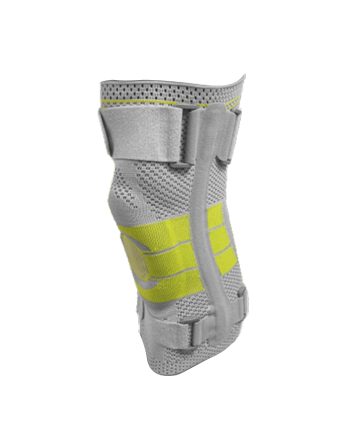
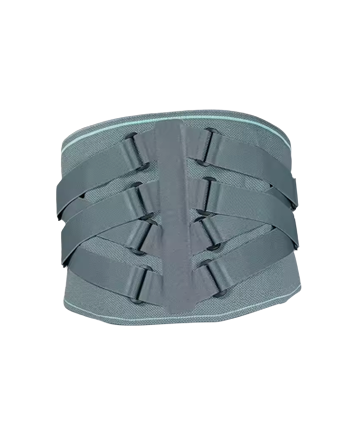
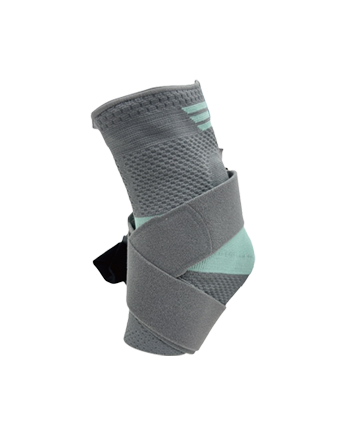
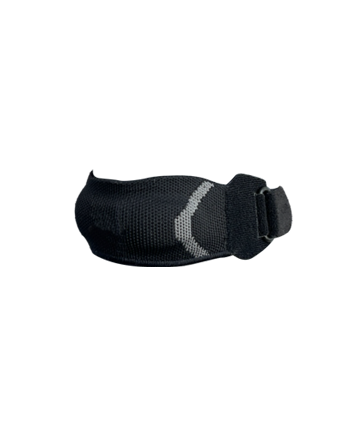
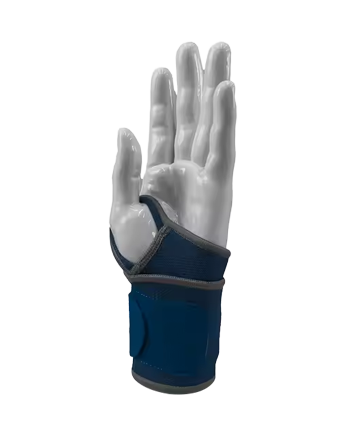
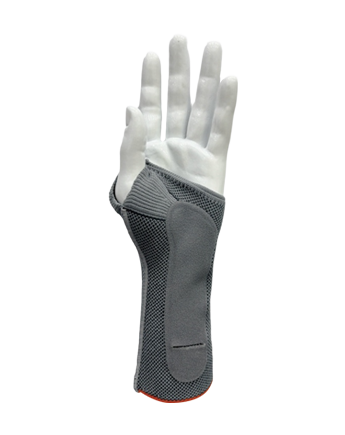
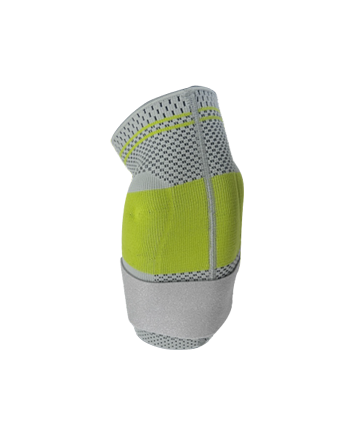
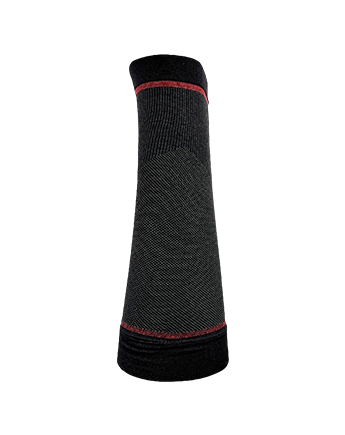
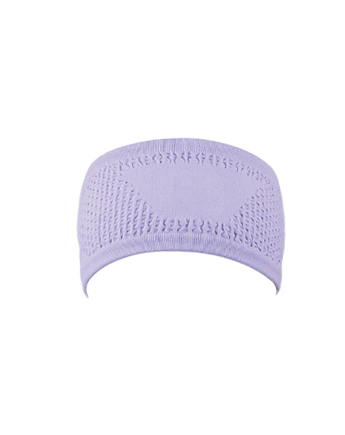
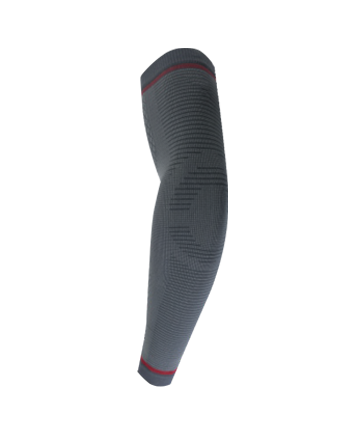
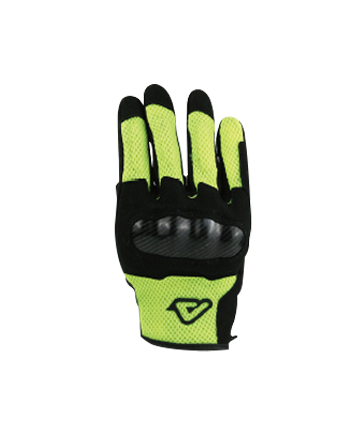
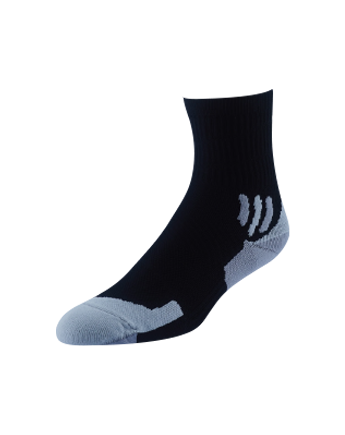
A distributor scrolling through supplier catalogs late at night, comparing dozens of nearly identical-looking wrist supports, eventually runs into the same wall every buyer does: the product looks fine in a photo but nobody actually knows how it'll feel on a customer's wrist until it arrives. Sourcing Wholesale Wrist Support can look straightforward right up until buyers begin comparing materials, construction, sizing, packaging, and intended uses side by side. A product may look suitable in a catalog but feel quite different once customers actually wear it out the door. For distributors and retailers, the challenge isn't simply finding a wrist support somewhere. It's finding a product that matches the needs of the intended market it's headed for.
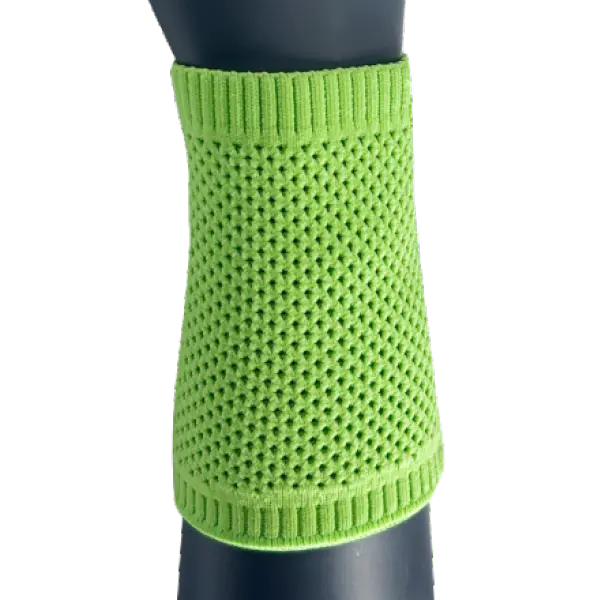
Buyers also need to distinguish between products designed for everyday comfort, fitness activities, sports routines, work environments, or general wrist support. The wrong product category can create customer complaints even when the product itself was made properly to begin with.
Working with a reliable Wrist Support Supplier can make the sourcing process considerably easier, but buyers still need to know what questions to ask before committing. Material choices, product structure, comfort, packaging, customization, and quality consistency all deserve attention before an order actually gets placed.
The intended use should shape sourcing decisions from the initial conversation with a supplier.
A wrist support designed for casual daily use doesn't necessarily need the same construction as one intended for training or repetitive activities. Some customers want a soft and flexible product they barely notice. Others look for firmer support or a design that stays put during movement without slipping.
A buyer who doesn't define the application clearly may end up comparing products that serve genuinely different purposes without realizing it.
| Intended Use | Common Buyer Considerations |
|---|---|
| Daily activities | Comfort and easy handling |
| Fitness | Secure fit and freedom of movement |
| Sports | Stability and practical adjustment |
| Work activities | Long-wear comfort and flexibility |
| General support | Simple design and convenient use |
| Retail products | Appearance, packaging, and market positioning |
The intended user matters just as much as the activity. A product aimed at recreational fitness customers may need a different presentation from one sold through a professional sports retailer's shelf. Similarly, a distributor serving workplace users may prioritize comfort and simple adjustment over anything else.
Before contacting a supplier, buyers should define who will use the product, where it'll be used, and what type of experience customers expect walking away with. That information gives the supplier a much clearer direction to work from.
Material selection has a direct influence on how a wrist support feels and performs during everyday use, day after day.
Common materials may include fabric, elastic components, hook-and-loop fastening sections, padding, and other structural elements. Each part contributes to the final user experience in its own way.
Soft fabric influences comfort against the skin. Elastic material affects flexibility and fit as the wrist moves. Fastening components influence how easily the wearer adjusts the support without fumbling.
Buyers should look beyond appearance alone. Important questions may include:
Material choices should also match the product's positioning on the shelf. A retail product presented as a comfortable daily wrist support should have a construction that reflects that description honestly. A sports-oriented product may require a different combination of flexibility and support altogether.
The product description, material selection, and actual user experience should remain consistent throughout, rather than diverging once the product's in someone's hands.
Understanding Wrist Support Vs Wrist Brace can help buyers avoid sourcing the wrong product category entirely. Although the terms sometimes get used loosely in everyday conversation, different wrist products can have genuinely different structures and intended functions.
A wrist support is often designed around comfort, compression, stabilization, or general assistance during activities. A wrist brace may use a more structured design when users want greater restriction of movement for a specific reason.
The distinction can be considered from several angles.
| Consideration | Wrist Support | Wrist Brace |
|---|---|---|
| General design | Often flexible | May have more structure |
| Movement | Usually allows practical movement | May restrict movement more |
| Typical positioning | Daily activities and exercise | Situations requiring more structured support |
| User experience | Often focuses on comfort and flexibility | Often focuses on stability |
| Product construction | Fabric-based designs are common | May include additional structural elements |
Buyers shouldn't assume one category can simply replace the other when needed. The intended use should determine which product gets sourced. Product descriptions should clearly explain the intended application, so customers know what they are purchasing before checkout.
For retail businesses, this distinction can reduce a lot of confusion and help create more accurate product categories on the site or shelf.
Fit can have a genuinely major influence on customer satisfaction after the sale is done.
A wrist support that feels too loose may not stay in the desired position through the day. One that feels too tight may become uncomfortable during use fairly quickly. Different users also have different wrist shapes and preferences, which complicates a one-size approach.
For wholesale buyers, this means sizing should get considered during product selection, rather than after the order already arrives at the warehouse.
A supplier may offer different size options or an adjustable design instead. The right approach depends on the target market being served.
Buyers can ask suppliers about:
An adjustable design can make inventory planning more flexible, since one product format may suit a wider range of users without requiring multiple SKUs. However, adjustability should not replace appropriate product design. The support should still feel comfortable when properly fitted, whether it is adjustable or not.
Clear sizing information matters just as much for online retail. Customers can't physically try the product before purchasing, so accurate product descriptions and fitting instructions can reduce a lot of uncertainty on their end.
The overall structure of a wrist support often reveals more than the product's appearance ever will.
Buyers should examine how the different parts are joined and whether the design feels suitable for repeated everyday handling over months of use.
Stitching should be consistent and appropriate for the intended construction. Loose threads or irregular seams can affect the perceived quality of the whole product.
The fastening system should be easy to operate and should suit the intended users specifically. Customers may struggle with complicated closures, particularly when they need to adjust the product quickly mid-activity.
Edges come into direct contact with the wrist or surrounding skin constantly. Their finishing can influence comfort during extended use throughout a workday.
Elastic components should work naturally with the rest of the support. Excessive stiffness or poor recovery can affect the fit noticeably over time.
Where padding is included, buyers should consider whether it complements the intended application, rather than simply adding bulk without purpose.
A product sample can reveal these details a lot more clearly than a product photograph ever could. For this reason, requesting samples before committing to a larger sourcing program proves genuinely useful.
Choosing a Wrist Support Supplier involves more than simply comparing purchase prices line by line.
A supplier needs to understand the buyer's product requirements and communicate clearly about materials, construction, packaging, customization, and production arrangements from the start.
A useful supplier evaluation can include:
| Supplier Consideration | What Buyers Can Check |
|---|---|
| Product knowledge | Can the supplier explain the product clearly? |
| Samples | Are samples available for evaluation? |
| Customization | Can product or packaging requirements be discussed? |
| Communication | Are questions answered clearly? |
| Quality control | Is there a consistent inspection process? |
| Packaging | Can packaging match the sales channel? |
| Production capability | Can the supplier support the intended order structure? |
Communication style can also reveal how well a supplier actually understands the buyer's requirements. If a buyer explains the intended market and receives only a generic product recommendation back, more clarification is probably necessary before moving forward.
A useful supplier relationship should allow both sides to discuss the product in practical terms, not just quote numbers back and forth. This matters particularly for wholesale sourcing, since the buyer may need to reorder the same product later down the line.
Customization can help a wholesale product fit a particular market more precisely.
For some buyers, customization may involve branding or packaging alone. For others, it may include material preferences, product colors, labels, fastening choices, or presentation formats built around their brand identity.
The level of customization should depend on the sales strategy behind it. A distributor selling several generic sports accessories may prefer a simple product with standard packaging. A retailer building a private-label collection may need a more distinctive appearance that stands apart from competitors.
Possible customization areas include:
Customization shouldn't get treated as decoration alone, either. A change to the product structure can affect the user experience in real ways. Buyers should therefore consider how each customization request influences comfort, handling, durability, and production consistency before signing off.
It also helps confirming which elements can realistically be customized before finalizing product artwork or packaging designs.
Packaging influences how a product is stored, transported, displayed, and understood by customers picking it up off a shelf.
A wrist support sold through a physical sports store may need a different presentation from one sold through an online marketplace. The packaging should protect the product while communicating essential information clearly to whoever's holding it.
Useful packaging information may include:
The package shouldn't make unsupported health or performance claims, either. This matters especially for products worn directly on the body. Marketing language should accurately describe the product's intended purpose without implying that it treats or prevents a medical condition, unless the applicable requirements are genuinely met.
For wholesale buyers, packaging is also part of inventory management day to day. Easy identification can make storage and order fulfillment a lot more convenient on the warehouse floor.
A sample inspection can reveal issues that are genuinely difficult to identify from photographs alone.
Buyers can wear or handle the sample according to the intended use and examine the product from several angles before committing further.
A practical inspection may cover:
Having more than one person evaluate a sample separately can also help. One person may focus on comfort, while another notices packaging or construction details that someone else overlooked. This gives buyers a broader view before making a sourcing decision that affects the order.
The sample should represent the product that will actually get supplied later. If changes get made after sample approval, those changes should be discussed clearly rather than assumed.
Wholesale sourcing isn't limited to one purchase and done.
Retailers and distributors may need to reorder the same product as inventory moves. A product that appears consistent during an initial purchase should remain reasonably consistent throughout the supplier relationship, rather than changing between orders.
Buyers can ask about how the supplier manages:
This becomes particularly important for private-label products carrying a buyer's own branding. If the material, color, fastening system, or packaging changes without clear communication, customers may notice differences between products purchased at different times, which erodes trust fast.
A dependable supplier should be able to explain how product requirements get recorded and followed during production, run after run.
The right sourcing decision depends on the market itself, rather than the product alone sitting in a catalog.
A sports retailer may need wrist supports designed around training and activity specifically. A general lifestyle store may prefer products focused on daily comfort instead. A distributor serving several customer groups at once may need a broader product range to cover them all.
Buyers can organize their sourcing strategy around several questions:
These questions help connect product selection with actual customer expectations, rather than guesswork.
When sourcing Wholesale Wrist Support, the decision isn't simply about finding a product at a suitable purchase cost. Materials, construction, fit, intended use, packaging, customization, supplier communication, and repeat-order consistency all influence whether the product is appropriate for a particular market. A clear understanding of Wrist Support Vs Wrist Brace can also help buyers separate flexible support products from more structured wrist braces, and communicate those differences more accurately to customers standing at the shelf.
Steriger is a national high-tech enterprise specializing in the R&D and production of high-quality sports supports, medical braces, and sports compression socks.
Copyright © Zhejiang Steriger Sports Medicine Technology Co., Ltd.
The information provided on this website is intended for use only in countries and jurisdictions outside of the People's Republic of China.

Approval No: 浙金药监械生产备20200039号

 English
 Español
 Deutsch
 عربى
عربى Français