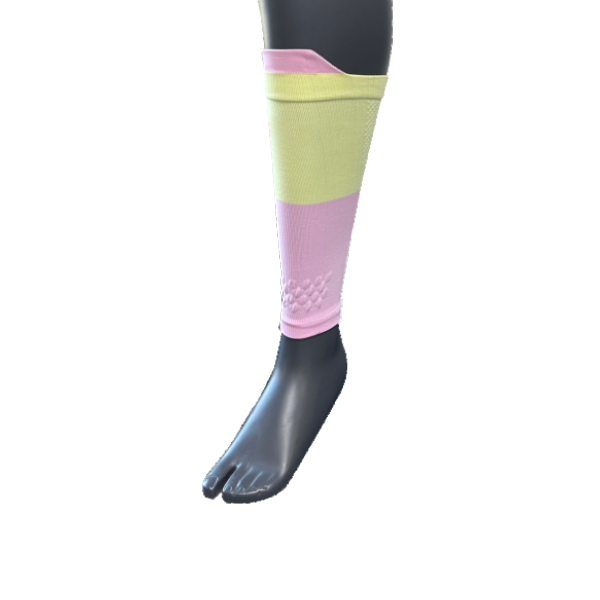
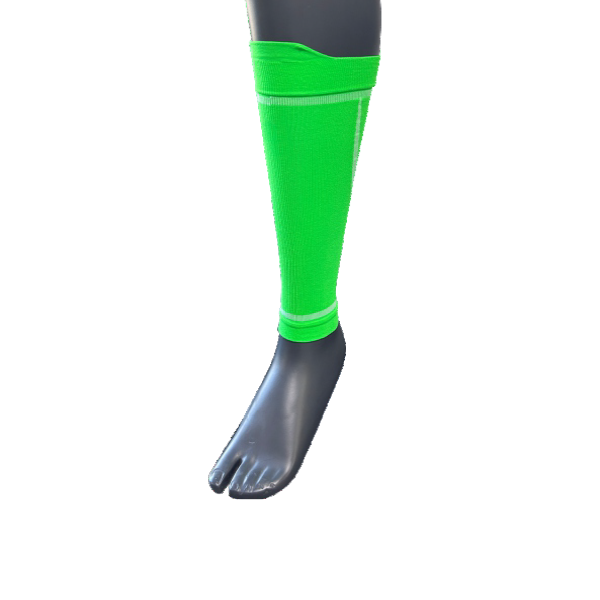
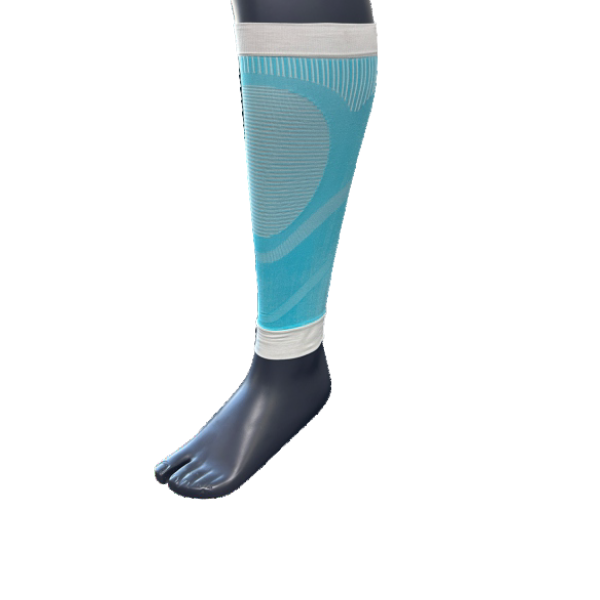
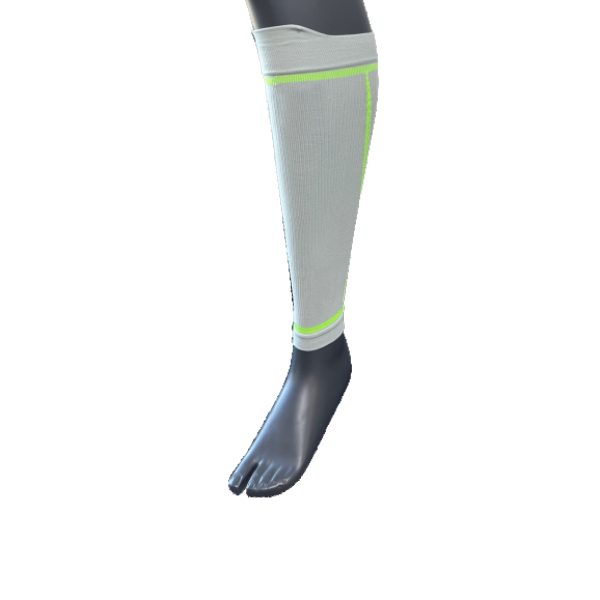
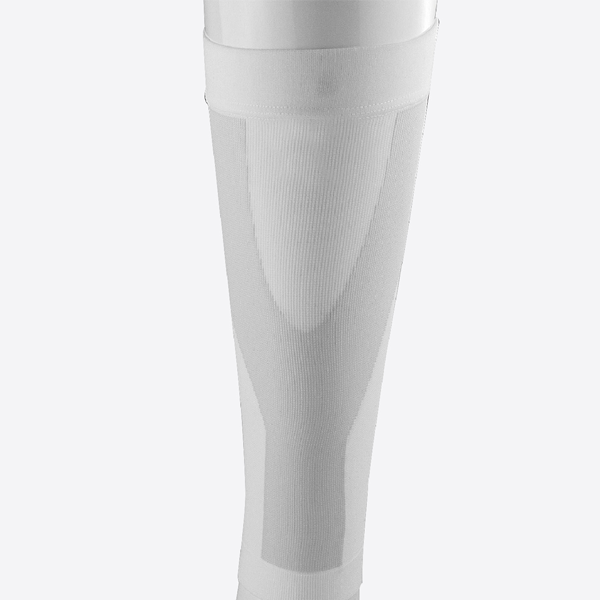
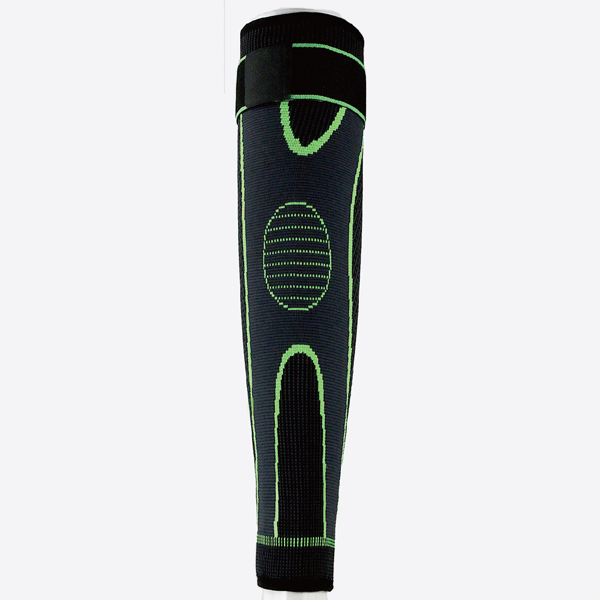
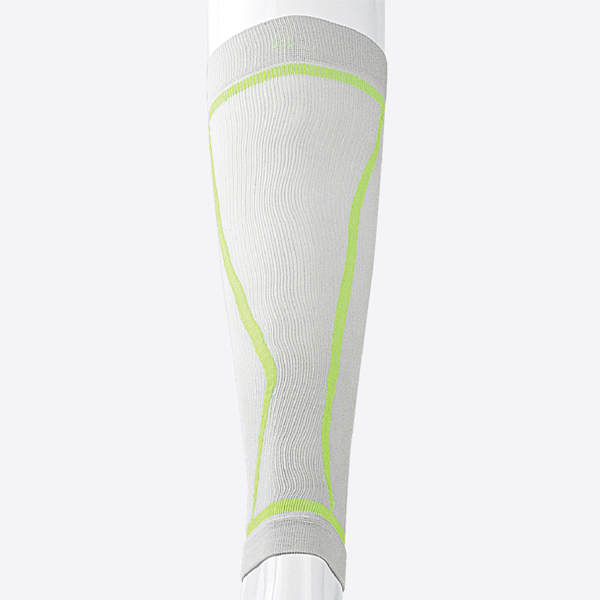
Calf sleeves have become a staple in contemporary sportswear, evolving from simple protective bands into multifunctional performance gear used by athletes, outdoor enthusiasts, and even individuals engaged in daily physical tasks. While compression, support, and recovery are their recognized features, the broader industry landscape reveals more dimensions of this product’s value.
Expanded Application Across Sports and Daily Use
Although widely used in running, cycling, football, weight training, basketball, hiking, and climbing, calf sleeves have a growing presence beyond traditional sports environments.
Professionals who spend hours standing or walking—such as healthcare personnel, warehouse workers, retail staff, and delivery couriers—often experience lower leg fatigue and swelling. Calf sleeves provide mild compression that helps maintain comfort throughout the day and reduces muscle strain caused by repetitive load.
After minor strains or tendon issues, individuals use calf sleeves to reintroduce movement gradually. The product offers a sense of stability and controlled pressure, helping people return to physical activity more confidently without risking reinjury.
Casual exercisers involved in activities like home workouts, stair climbing, or recreational sports benefit from added leg support. As more people adopt active lifestyles, calf sleeves are increasingly viewed as general wellness gear, not only performance equipment.
Material Innovation and Industry Trends
The market for calf sleeves has evolved with improvements in textile technology. Each material type brings industry-specific advantages:
Known for high elasticity, spandex-based fabrics ensure a tight yet comfortable fit. These materials maintain shape after prolonged use, a crucial feature for consistent compression performance.
Nylon offers durability and moisture management, making it suitable for long-duration sports like marathon running or cycling. It also adds a smooth finish that enhances wearability under athletic apparel.
Originally used in protective gear, neoprene provides both insulation and joint stability. It is particularly useful in cold-weather environments, where maintaining muscle warmth reduces the risk of sudden strains.
- Breathable Mesh Integration
Advanced models include ventilation zones that regulate heat and sweat. This trend reflects a broader shift in the sportswear industry toward body-mapping designs, where fabric structure corresponds to specific muscle needs.
Functional Impact on Muscle Behavior
Calf sleeves work based on compression science, but the detailed mechanics involve several physiological effects:
- Muscle Vibration Reduction
During high-impact activities, soft tissues vibrate with every step or jump. Over time, this micro-movement contributes to fatigue. Calf sleeves reduce vibration, allowing muscles to maintain efficiency longer.
- Support for Achilles Tendon
Although not explicitly designed for tendon bracing, the upward compression stabilizes the area surrounding the Achilles tendon. This provides subtle reinforcement during sprinting, jumping, and sudden directional changes.
Light pressure around the lower leg enhances body awareness, helping athletes refine movement precision. In sports requiring agility—such as tennis or basketball—this sensory feedback becomes valuable.
How Calf Sleeves Complement Other Gear
In the broader sports gear ecosystem, calf sleeves frequently work alongside other equipment:
- Running shoes: better shock absorption when paired with supportive footwear
- Compression socks: extended coverage for long-distance runners
- Knee sleeves: coordinated lower-limb stability for strength training
- Shin guards: added muscle support beneath protective plates in football or martial arts
This compatibility makes calf sleeves a cross-category accessory that integrates seamlessly into existing gear setups.
Selecting the Right Calf Sleeve
For consumers entering the market, several considerations influence product choice:
- Compression level (light, moderate, or firm) based on activity intensity
- Material composition for flexibility, breathability, or warmth
- Length and fit to ensure consistent pressure without slippage
- Seam design to avoid friction during long movement sessions
- Purpose—running, strength training, daily support, or recovery
Understanding these factors helps users select gear tailored to their specific needs rather than relying on general assumptions.
Calf sleeves are no longer limited to high-performance athletes. Their role continues to expand across professional sports, general fitness, workplace wellness, and rehabilitation scenarios. With ongoing improvements in fabric engineering, ergonomic design, and compression technology, calf sleeves are positioned to remain an important accessory in modern sportswear.

 English
 Español
 Deutsch
 عربى
عربى Français