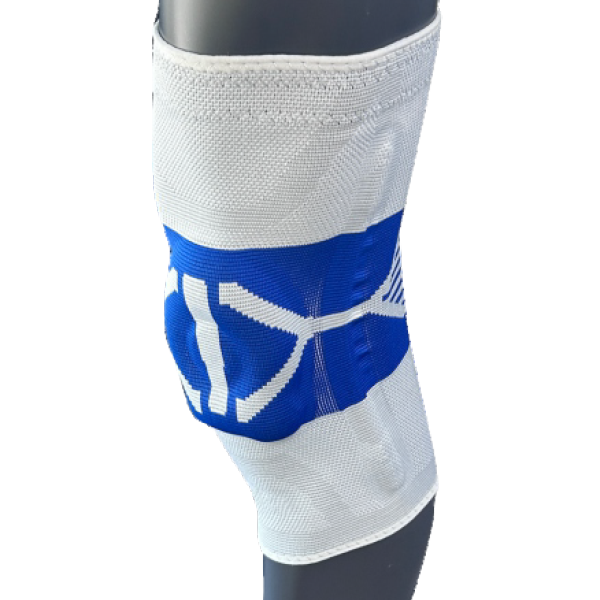
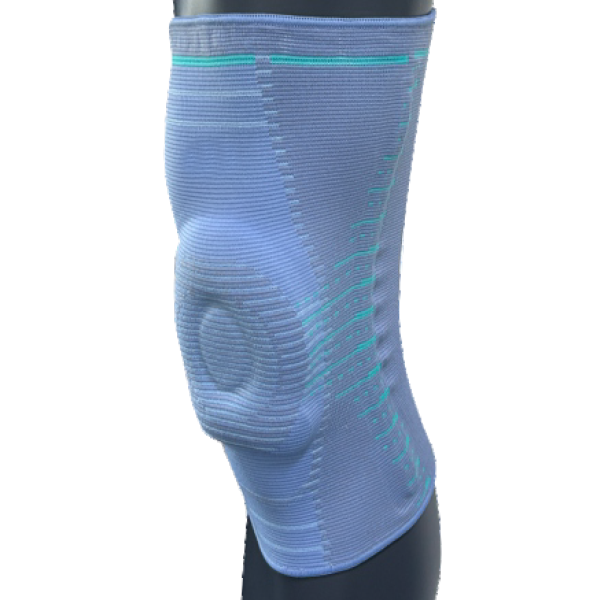
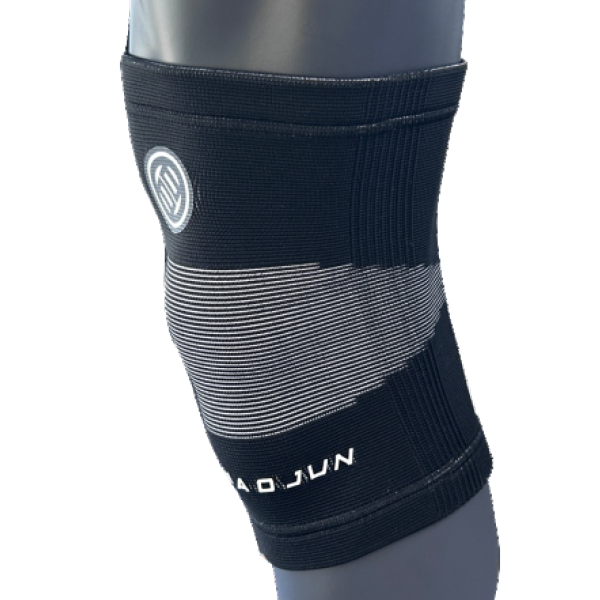
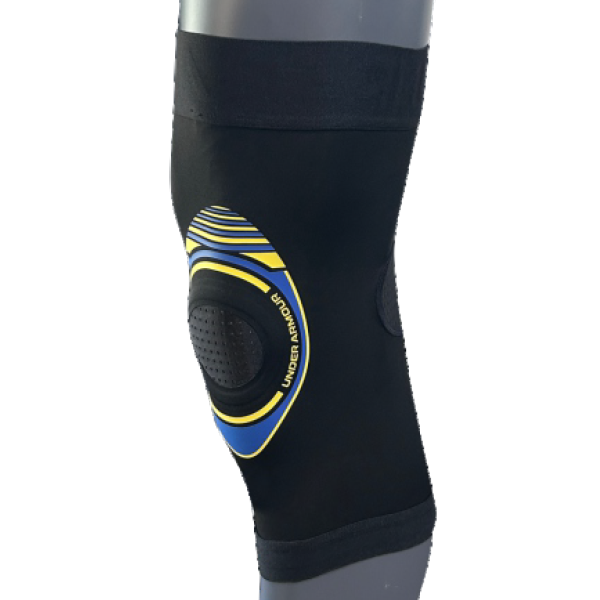
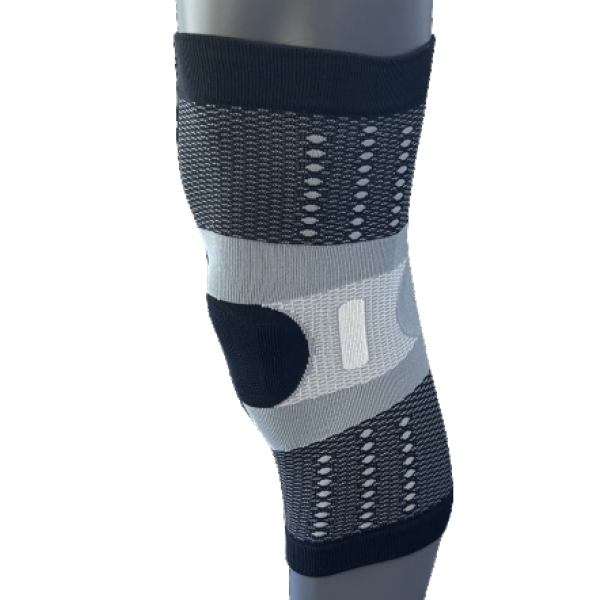
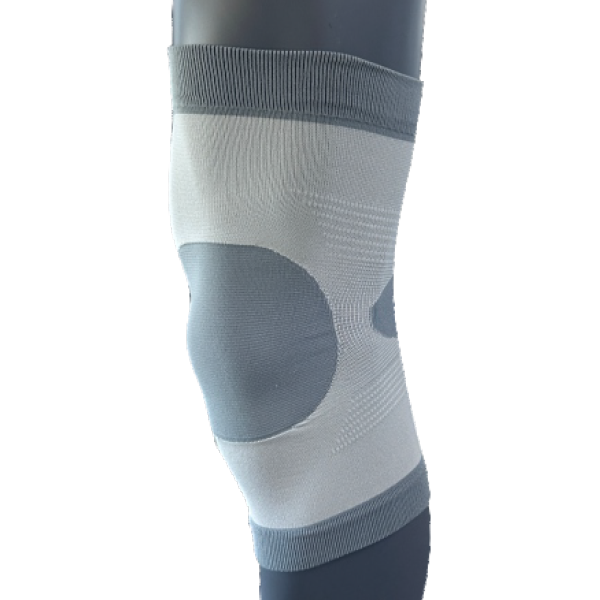
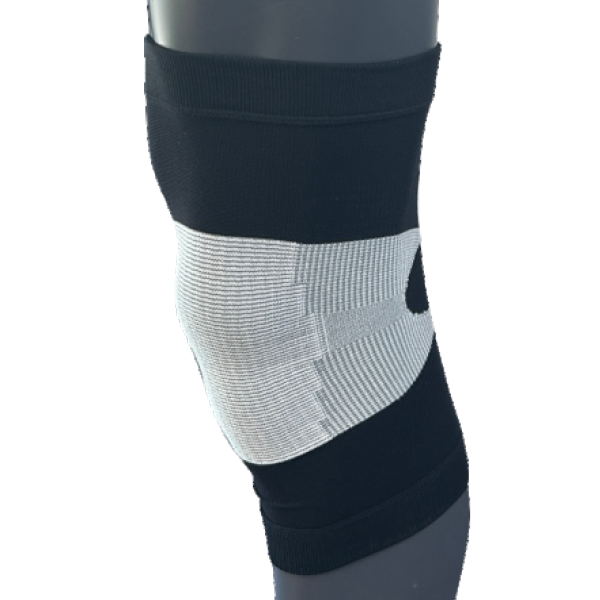
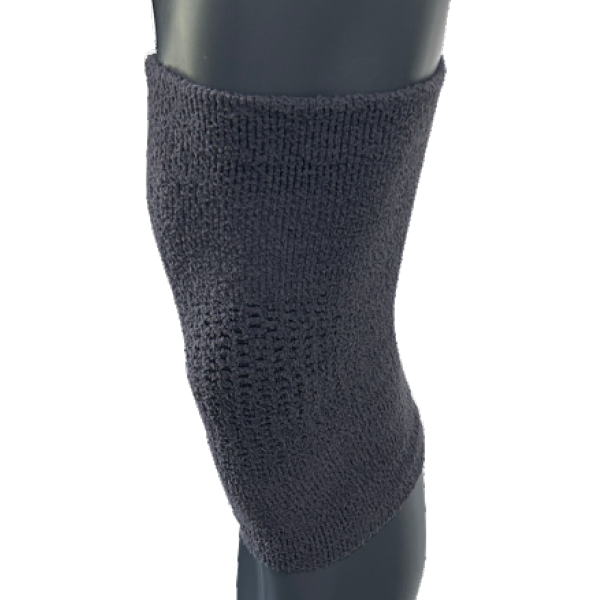
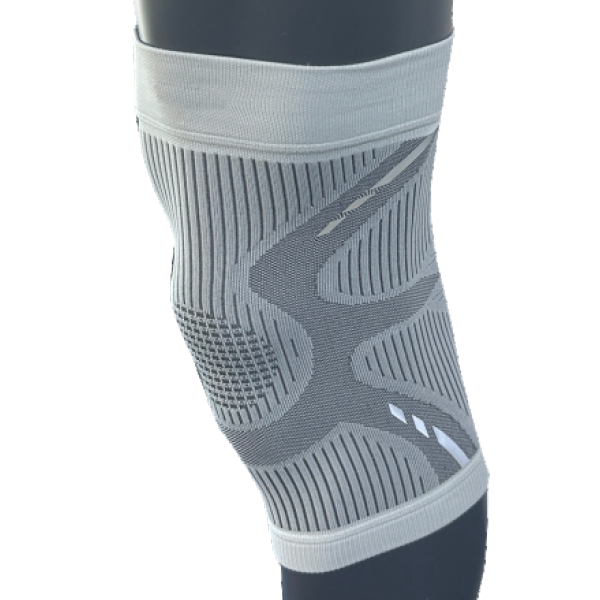
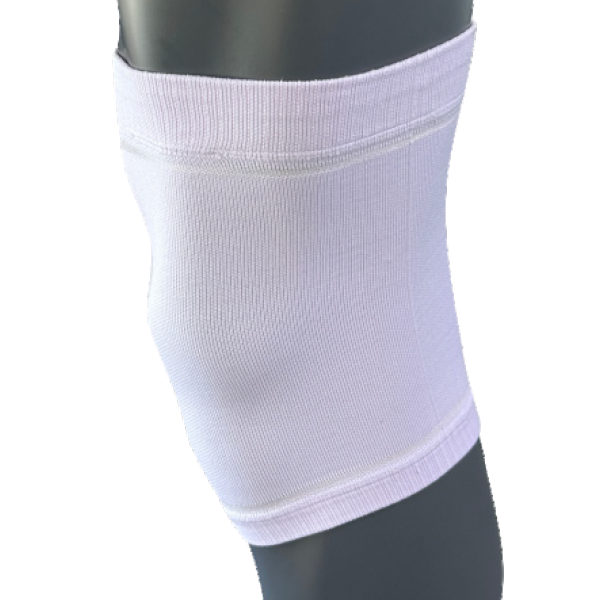
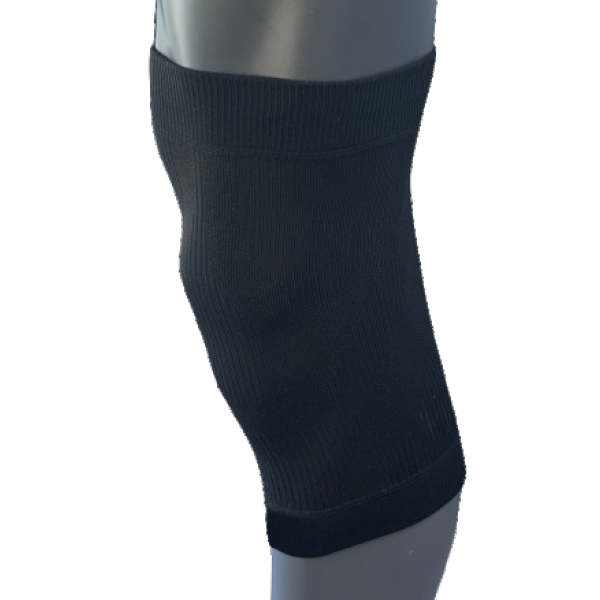
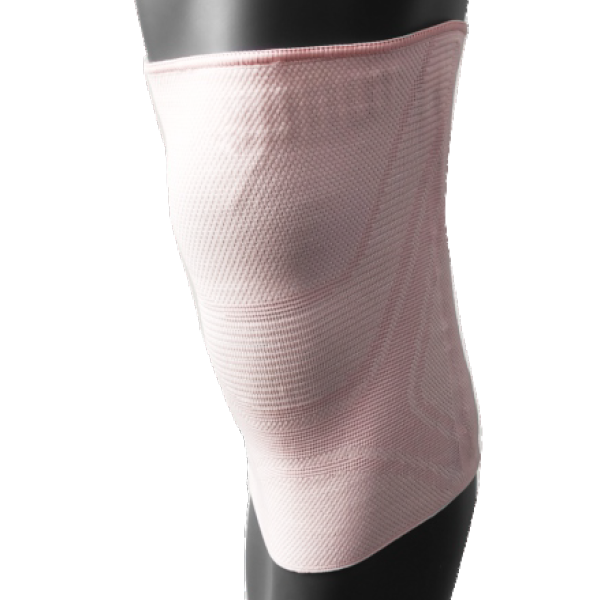
Steriger Knee Support Solutions: Professional Knee Braces and Stabilizers for Reliable Protection
Steriger knee supports are designed for one straightforward purpose: reliable protection you can feel, without getting in the way of how you move. Whether you're training, working long shifts on your feet, or coming back from a knee setback, the right brace can add stability and confidence at the moments that matter most. What makes the difference is not "more brace," but the right level of support, the right fit, and the right use case—and that's where a well-built knee support lineup earns its place.
Why the knee needs support (and why support should be specific)
The knee is a hinge joint with a complex support system—ligaments, tendons, cartilage, and muscles all share the job of keeping it stable under load. Daily life adds repetitive stress through stairs, kneeling, lifting, and long walks. Sport adds sharp changes in speed and direction. Over time, many people experience:
- General soreness or fatigue around the knee after activity
- A feeling of instability or "not trusting" the joint
- Discomfort during squats, lunges, or prolonged standing
- Sensitivity during recovery after a strain or minor injury
A knee support can help by providing compression, improving joint awareness (proprioception), and—depending on the design—adding structural stability to reduce unwanted movement.
Steriger Knee Support Solutions: what "professional" support means
A professional knee support isn't defined by how rigid it looks. It's defined by how consistently it performs. Steriger knee braces and stabilizers focus on three priorities:
1) Stable support without over-restriction
A good brace should help reduce excessive movement while still allowing natural knee mechanics. Overly restrictive braces can feel secure at first but may interfere with normal gait or sport technique if they're not appropriate for the activity.
2) Comfort you can wear for real life
Protection only works if people can wear it through a workout, a shift, or a full day of movement. Fit, breathability, and skin comfort are not "extras"—they're performance requirements.
3) Durability that holds up to routine use
Stretch, sweat, repeated washing, and constant tension test a brace quickly. Reinforced construction and materials that maintain their shape help ensure the support level stays consistent over time.
Understanding types of knee supports: braces vs. stabilizers
Not all knee products serve the same goal. Here's a clear way to think about them.
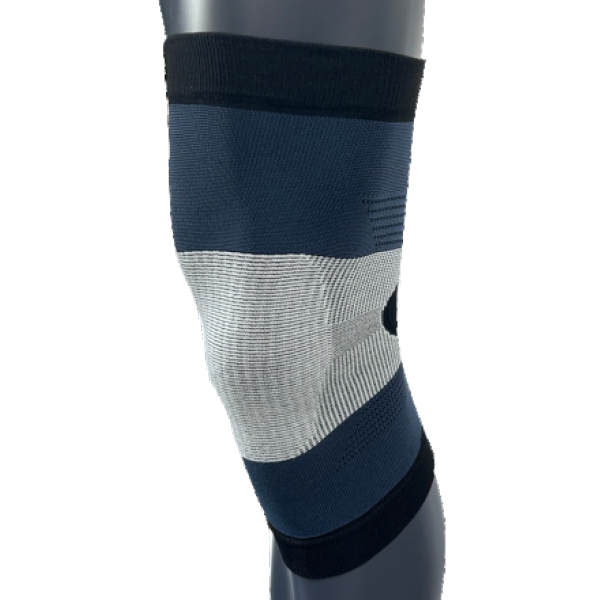
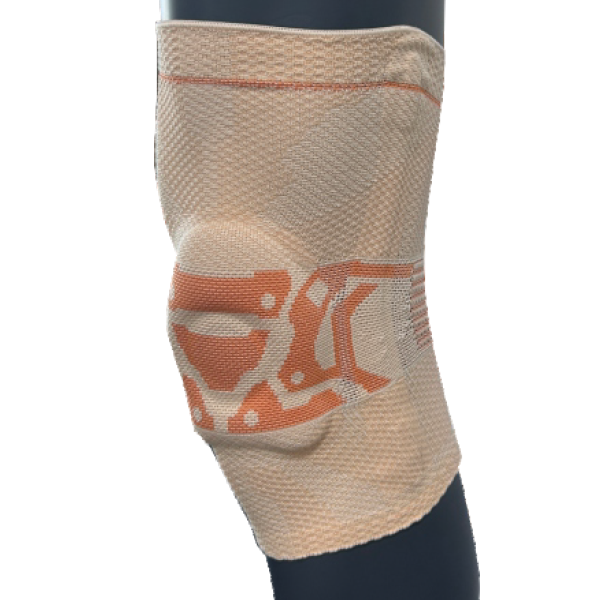
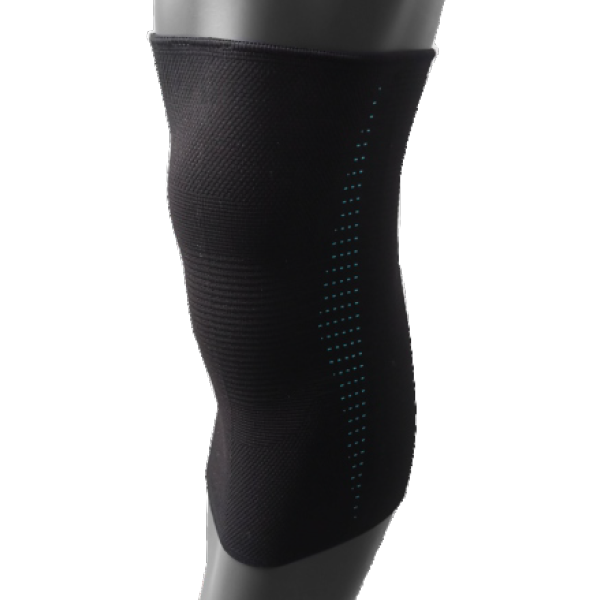
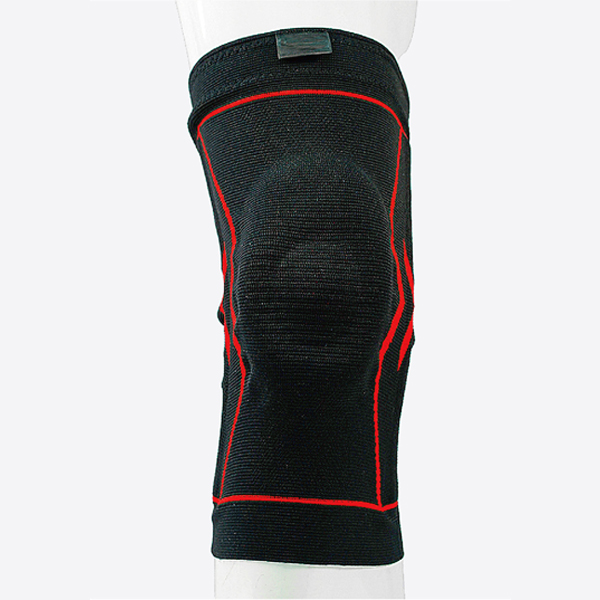
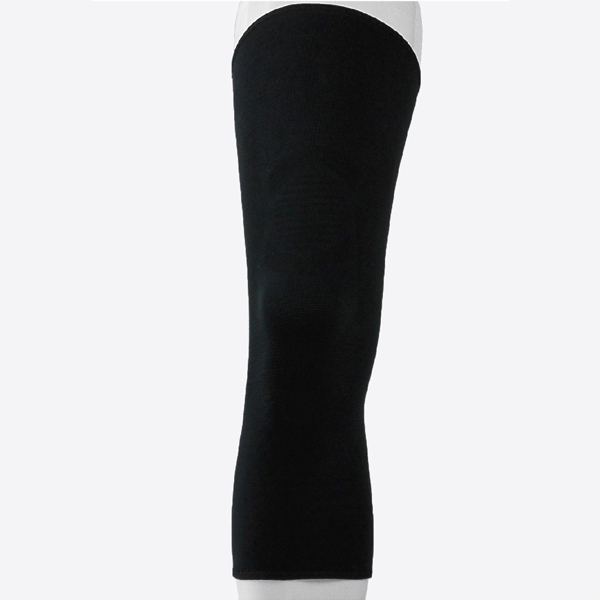
Knee sleeves (compression supports)
Knee sleeves are typically elastic, slip-on supports that provide uniform compression and warmth. They're often used for:
- General knee soreness during activity
- Mild swelling management
- Extra confidence for training and daily wear
- Support during controlled strength exercises
A sleeve is a smart first step when you want comfort, better "feel" of the joint, and light support without bulk.
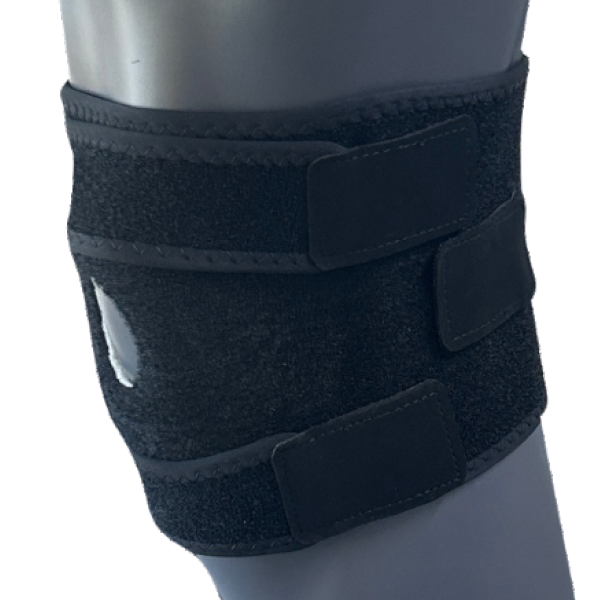
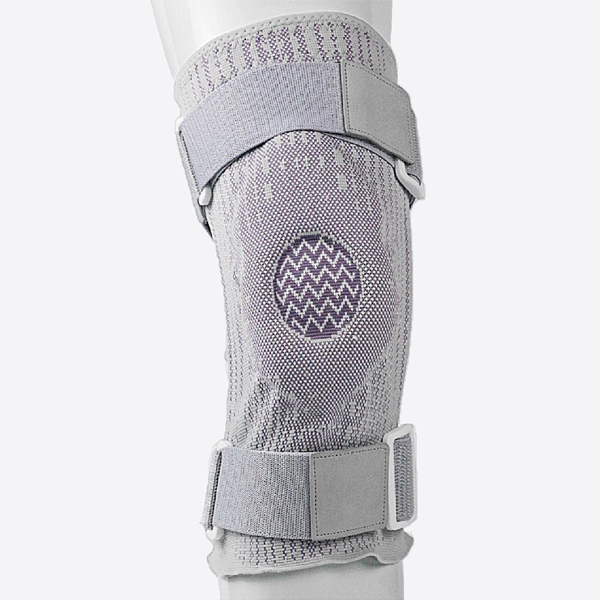
Strap-adjustable supports
Strap systems allow users to fine-tune compression and positioning. These are helpful when:
- You want more targeted support than a sleeve provides
- Your activity level changes day to day
- You need a secure fit that resists slipping during movement
Straps can also help distribute pressure more evenly, especially during longer wear.
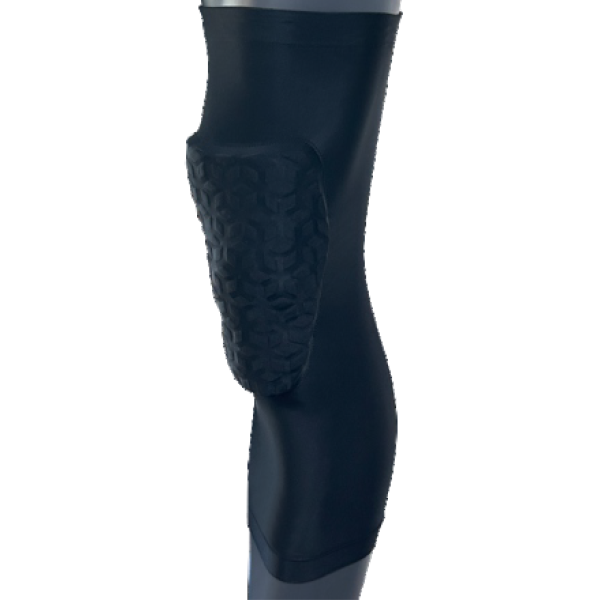
Stabilizers (with side supports or hinges)
Stabilizers generally provide higher stability, often through reinforced side structures. They're commonly used for:
- Noticeable instability during twisting or lateral movement
- Higher-demand sport activity
- Extra support during return-to-activity phases
A stabilizer can be especially useful when the goal is to reduce unwanted side-to-side movement and improve confidence during dynamic motion.
Choosing the right Steriger knee support: match support level to your situation
The best results come from matching the product to the problem. A simple decision framework:
Choose a compression sleeve if you want:
- Light support and comfort for training
- Help with mild swelling or post-activity soreness
- Low-profile wear under clothing
Choose an adjustable support if you want:
- Flexible compression you can tighten or loosen
- Better hold during longer wear or sweating
- A more customized fit
Choose a stabilizer if you want:
- Stronger stability for demanding movement
- A more structured "protected" feel
- Reliable support during return to sport or higher-risk activity
If you're unsure, start with the lightest option that meets your needs. More structure is not automatically better; it should be earned by the demands of your knee and your activity.
How to wear a knee brace for reliable protection (not just temporary comfort)
A brace works best when it's used strategically and paired with smart habits.
Fit and placement basics
- The brace should feel secure but not numb or painfully tight
- It should not bunch behind the knee or slide down during movement
- If you feel tingling, coldness, or color changes below the brace, loosen or stop using it
Use it at the right times
- For many users, the most effective pattern is:
- Wear during workouts, long shifts, outdoor walks, or higher-risk activities
- Reduce use during low-demand periods as comfort and confidence improve
Pair support with strengthening
Lasting protection comes from strong muscles and good control. Knee supports pair well with progressive work such as:
- Quadriceps and hamstring strengthening
- Glute and hip stability training
- Calf and ankle control (often overlooked, but important for knee alignment)
A brace can make movement more comfortable while you rebuild capacity—but the rebuild is what carries you long term.
Who benefits most from Steriger knee supports?
Steriger knee braces and stabilizers are commonly chosen by:
- People who train regularly and want dependable joint support
- Workers who kneel, lift, climb stairs, or stand for long hours
- Individuals returning to activity after a mild knee strain or instability episode
- Anyone looking for practical protection without sacrificing mobility
Steriger knee support solutions follow a simple principle: support should be dependable, comfortable, and consistent from warm-up to cooldown. The right choice depends on what your knee needs and what your day demands. A compression sleeve is ideal for light, everyday training support and general comfort. An adjustable brace offers a more tailored fit when you want extra security or variable compression. A stabilizer provides stronger guidance for higher-intensity movement or added confidence during return-to-activity phases. For the best outcome, match the support level to your workload and combine it with sensible technique, gradual strengthening, and a controlled ramp-up back to full activity.

 English
 Español
 Deutsch
 عربى
عربى Français