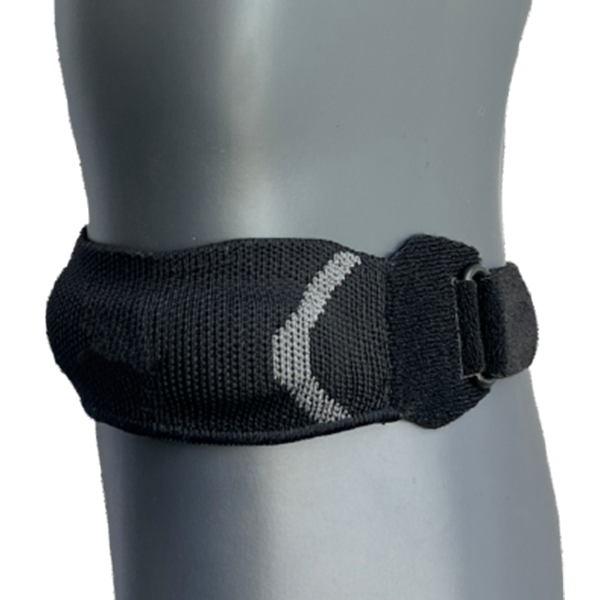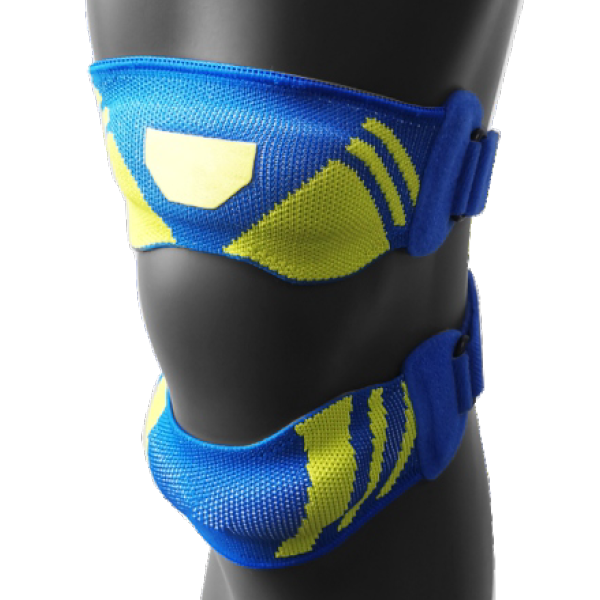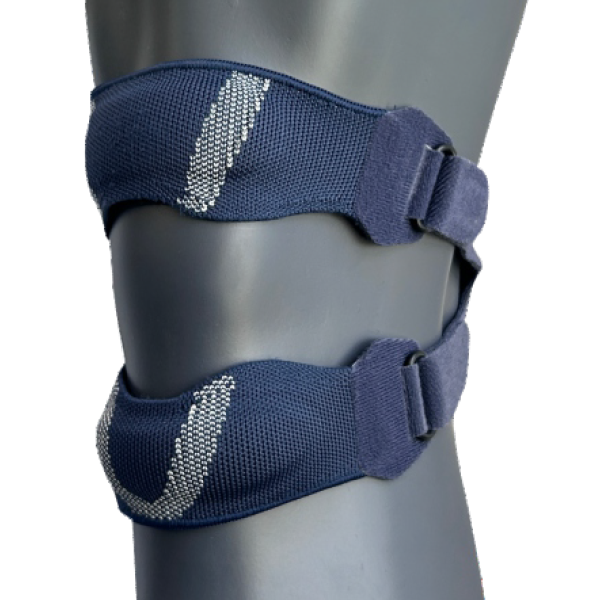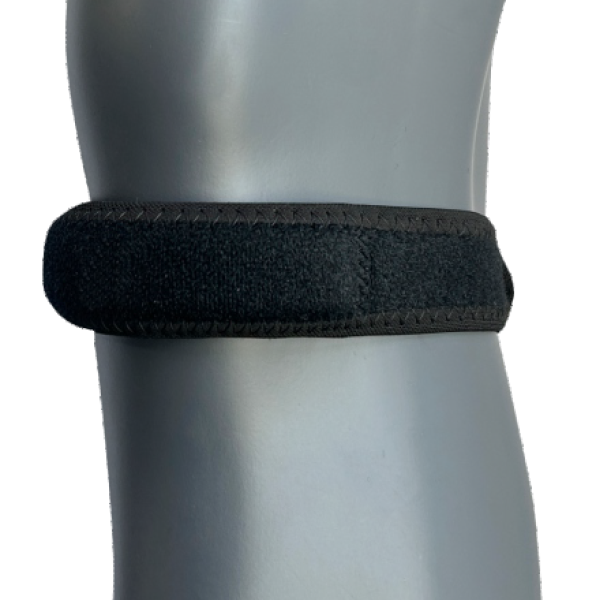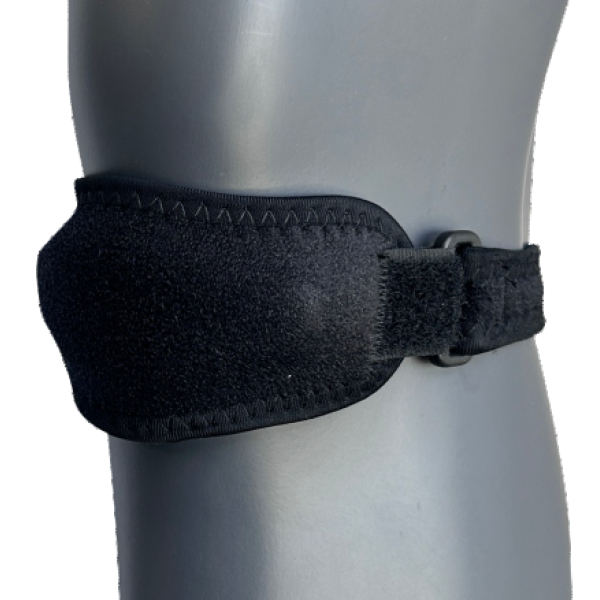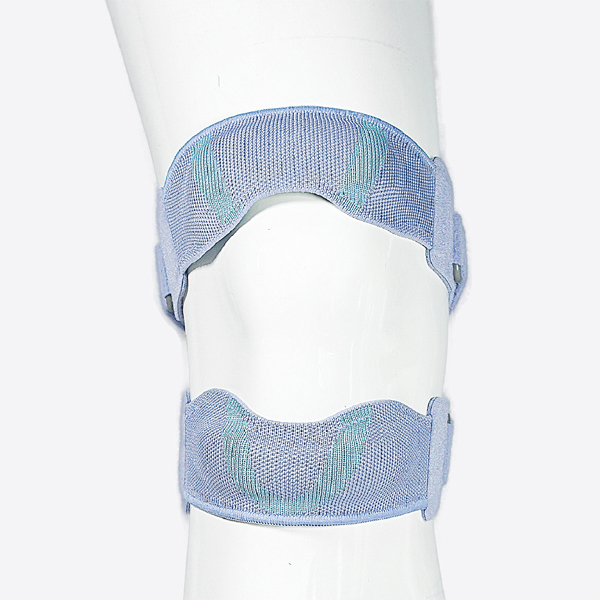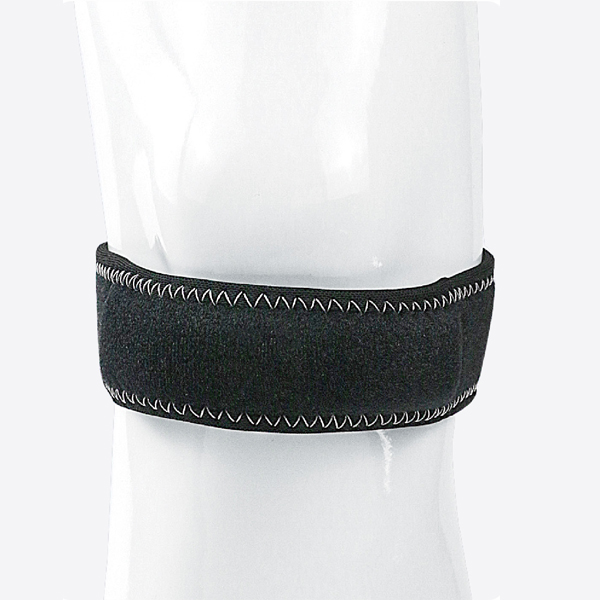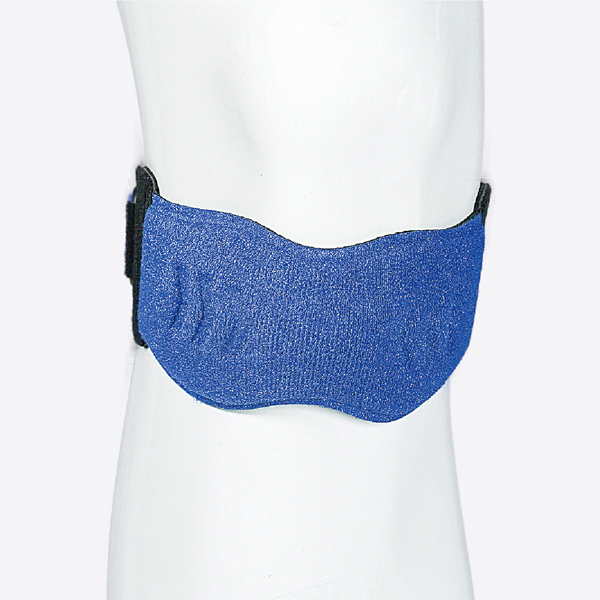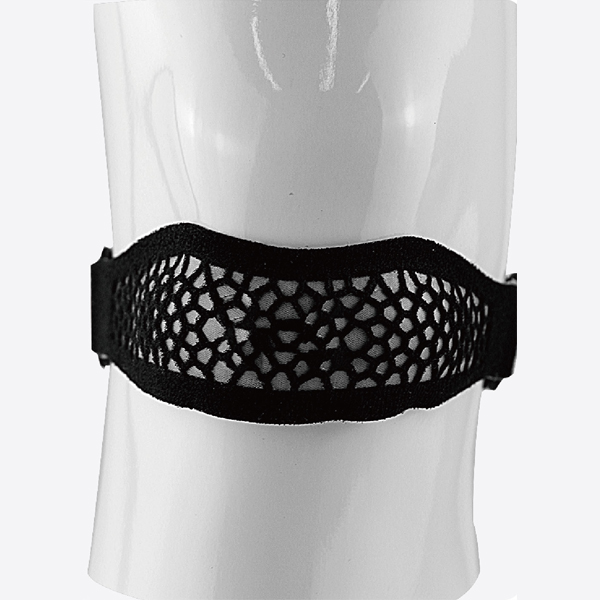
The Patella Strap has become a widely recognized tool in the sports and rehabilitation industry, offering a simple yet effective way to manage knee discomfort. While basic product descriptions often focus on features and benefits, understanding why this strap matters—and how it fits into modern knee-care practices—provides deeper value for consumers and professionals alike.
The Role of a Patella Strap in Modern Sports Protection
In competitive and recreational sports, small changes in equipment often make a big difference in performance and injury prevention. The patella strap has become popular because it balances freedom of motion with meaningful tendon support. Unlike traditional knee braces that cover a large area, the strap supports only the patellar tendon, allowing athletes to maintain agility. Many sports trainers now incorporate patellar straps into their injury-prevention practices, especially for sports involving repetitive jumping or sudden acceleration. Activities like volleyball, track sprints, CrossFit workouts, and plyometric training place continuous stress on the tendon. The strap helps distribute this force more evenly.
This tool also complements existing training regimens by encouraging athletes to maintain proper leg alignment. Its growing use reflects a broader trend in sports gear: lightweight support that enhances performance without adding unnecessary bulk or restricting movement.
Design Evolution in Patellar Support Devices
Early knee straps were simple elastic bands, but modern versions incorporate advanced materials and ergonomic design. The evolution includes improvements in comfort, structural stability, and long-term durability. For example:
- Innovative Fabrics – Breathable fibers now manage moisture and maintain skin ventilation, reducing irritation during extended wear.
- Reinforced Internal Padding – This padding spreads compression across a wider surface area, preventing pressure points and improving comfort.
- Contoured Shapes – Newer designs follow the natural curve of the knee, enhancing stability without limiting motion.
The trend toward slimmer, more flexible straps reflects the industry's commitment to user-friendly products. Many straps now include adjustable fastening systems that provide a personalized fit—an important feature for people with varying leg shapes or activity demands. These upgrades not only enhance the user experience but also extend the lifespan of the product, making patellar straps a reliable long-term investment for both athletes and everyday users.
How the Patella Strap Fits into Injury Management
In clinical practice, patella straps are frequently recommended as part of a comprehensive injury-management strategy. While they do not replace medical treatment, they provide mechanical assistance that supports healing. For conditions such as jumper’s knee, patellar tendinitis, or early-stage patellofemoral pain, controlling strain on the tendon is essential. The strap helps by stabilizing the tendon during motion, reducing irritation associated with bending, squatting, or jumping. Physical therapists often combine its use with stretching routines, quadriceps strengthening, and soft-tissue massage. Together, these strategies improve overall knee biomechanics and address root causes of tendinopathy. The strap is also beneficial during the transitional phase between injury recovery and returning to sport. It offers enough support to reduce re-injury risk while allowing users to gradually rebuild confidence in their movement patterns.
This integration of support and rehabilitation is why patella straps remain a trusted tool in both sports medicine and general wellness care.
Everyday Applications Beyond Sports
Outside athletic environments, patella straps offer valuable support for people who rely on steady knee function throughout the day. These straps can help reduce cumulative tendon stress that builds up during routine movement. They are particularly useful for the following groups:
- Individuals with active daily routines – People who climb stairs frequently, walk long distances, or stay on their feet for many hours often experience gradual strain on the patellar tendon. The strap provides light but noticeable support in these situations.
- Older adults with mild osteoarthritis – By adding gentle stability to the knee joint, the strap can help reduce discomfort and make daily motion smoother and more manageable.
- Professionals with physically demanding jobs – Healthcare workers, retail employees, warehouse staff, and delivery personnel depend heavily on knee mobility. A patella strap helps minimize fatigue and maintain comfort during long shifts.
- People recovering from previous injuries – During the transition back to routine activities such as commuting, gardening, or hiking, the strap offers reassuring stability without limiting movement.
With its compact and discreet design, the patella strap fits easily into everyday life, providing practical knee support in both casual and professional environments. As overall wellness awareness increases, more individuals are incorporating this simple tool into their daily routines to prevent unnecessary strain and maintain long-term knee health.
The Importance of Proper Use
Even the best patella strap can only function effectively when positioned correctly. Proper placement ensures the pressure is applied exactly where needed—just below the kneecap over the patellar tendon. Users are generally advised to start with gentle compression, then adjust gradually based on comfort and activity. Tightening the strap excessively can reduce blood flow, cause numbness, or lead to irritation, while a strap that is too loose may shift during movement and fail to provide adequate support. Professionals often recommend testing the strap during light motion such as walking or bending to confirm proper tension. In addition, maintaining good hygiene—cleaning the strap regularly and allowing it to dry thoroughly—helps extend its lifespan and prevent skin issues. Understanding proper use ensures that athletes, workers, and everyday users can maximize the strap’s effectiveness and keep their knees protected through various activities.