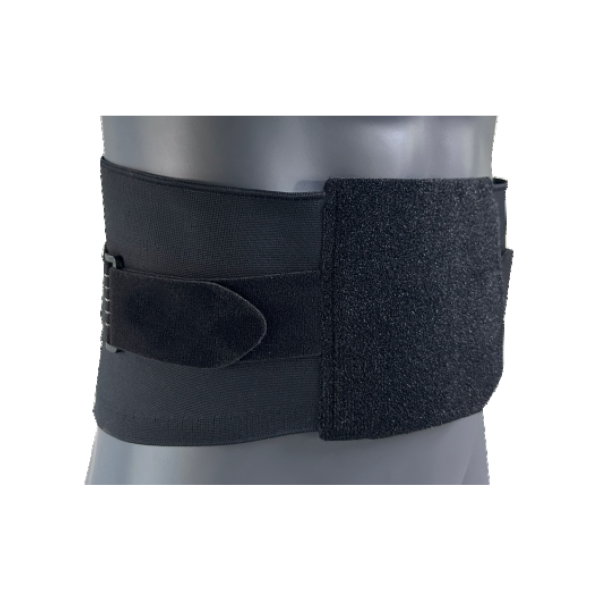
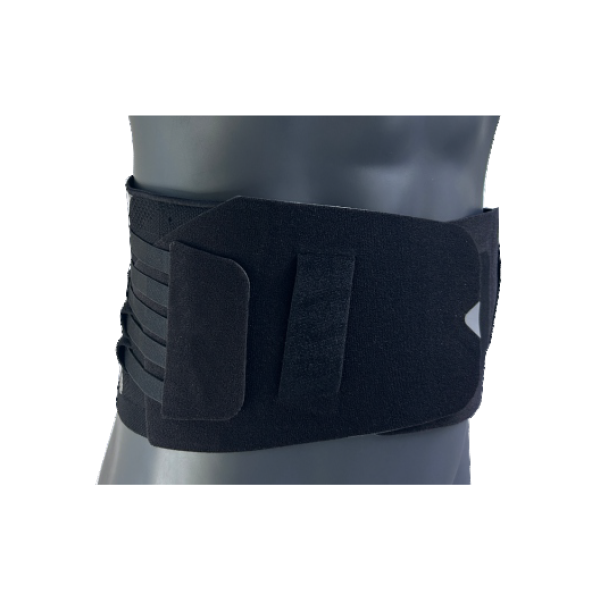
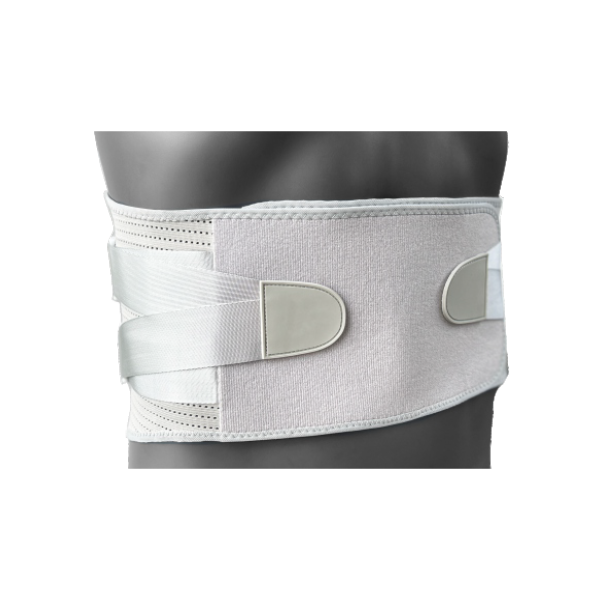
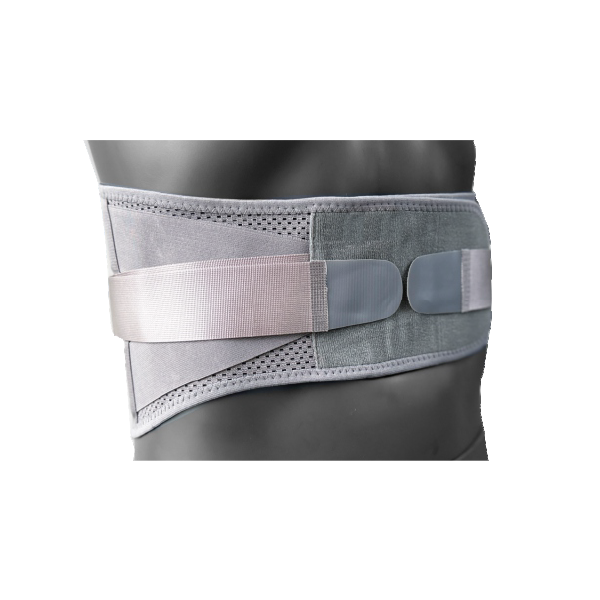
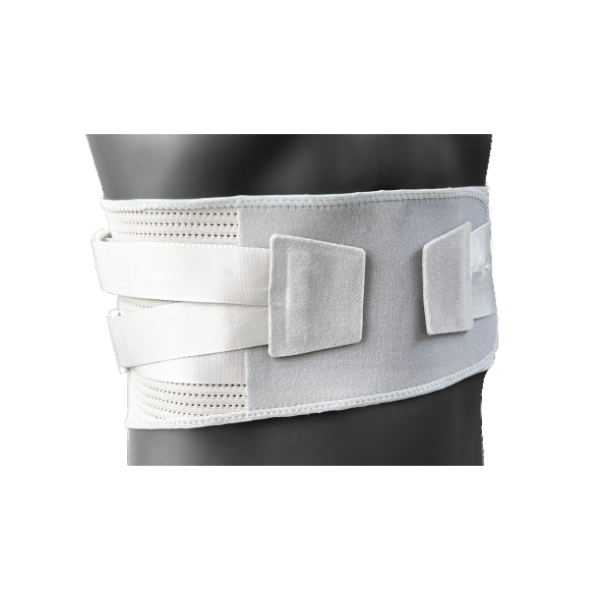
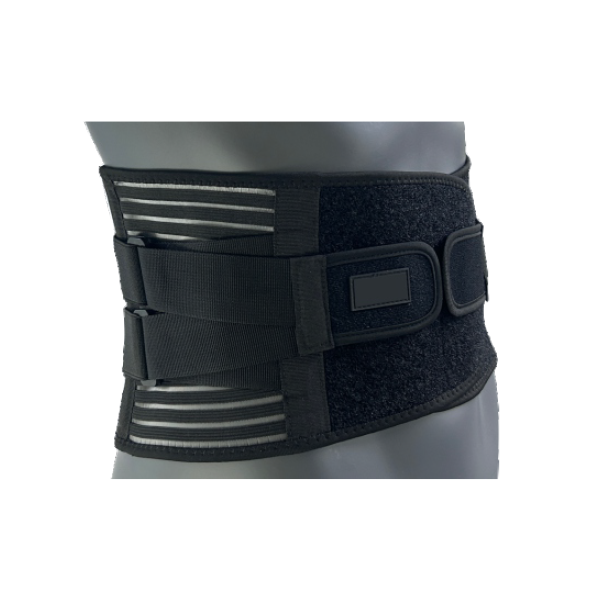
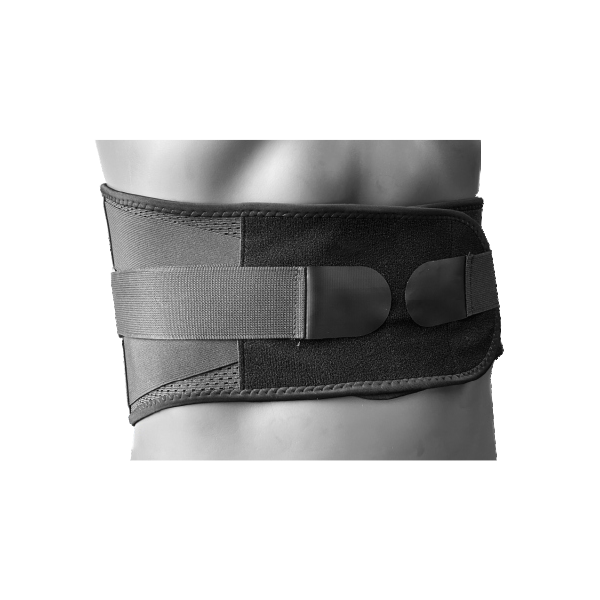
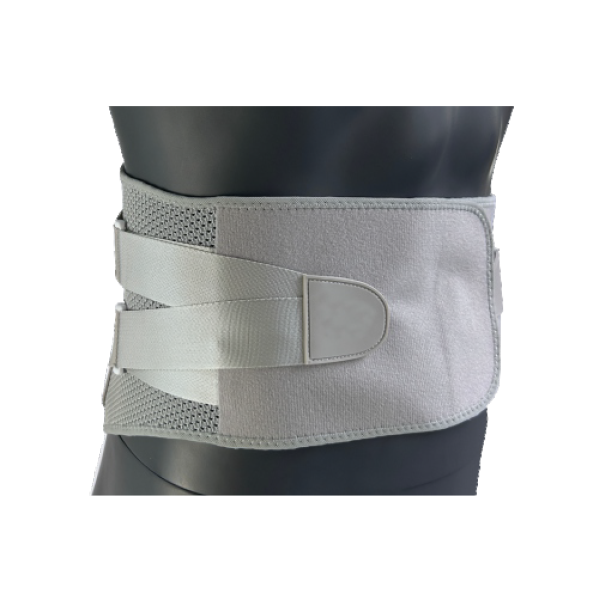
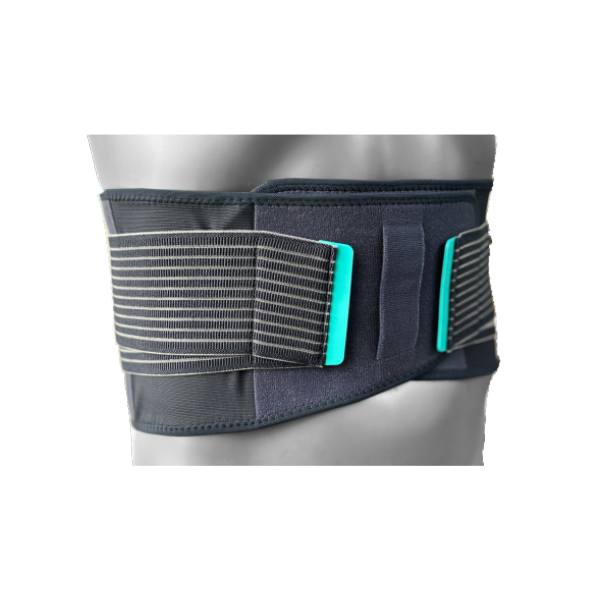
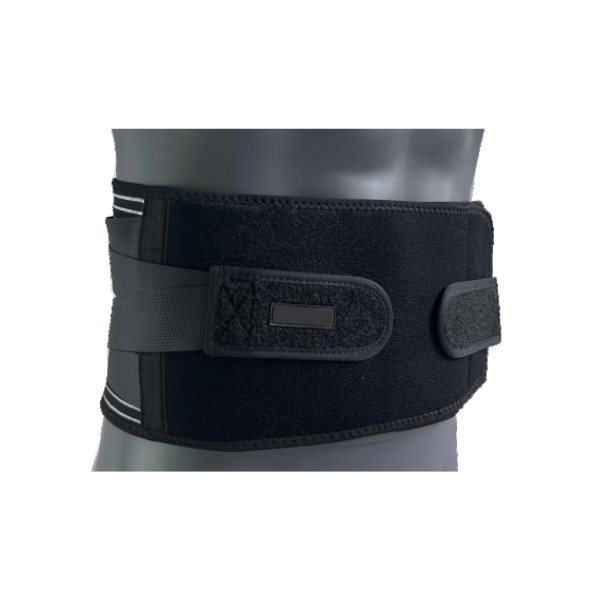
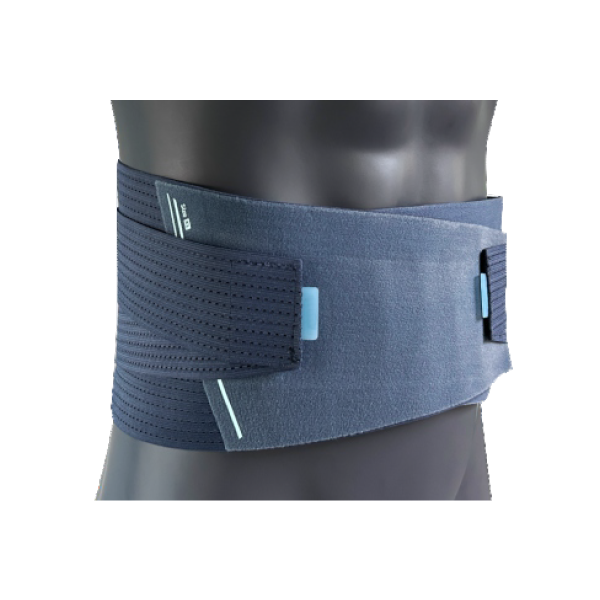
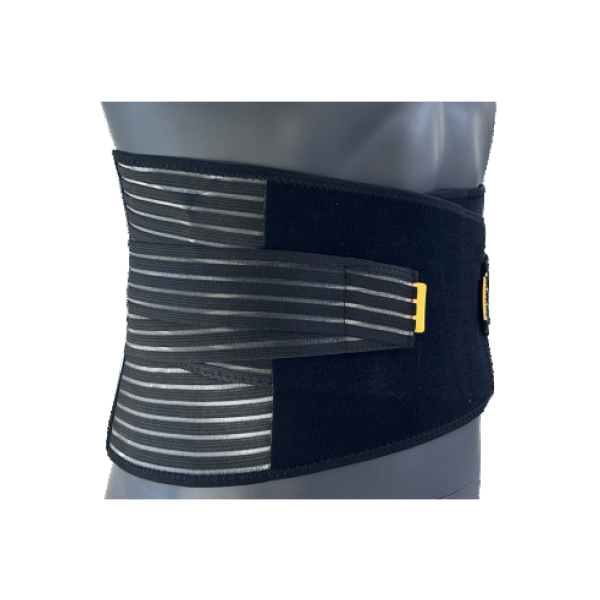
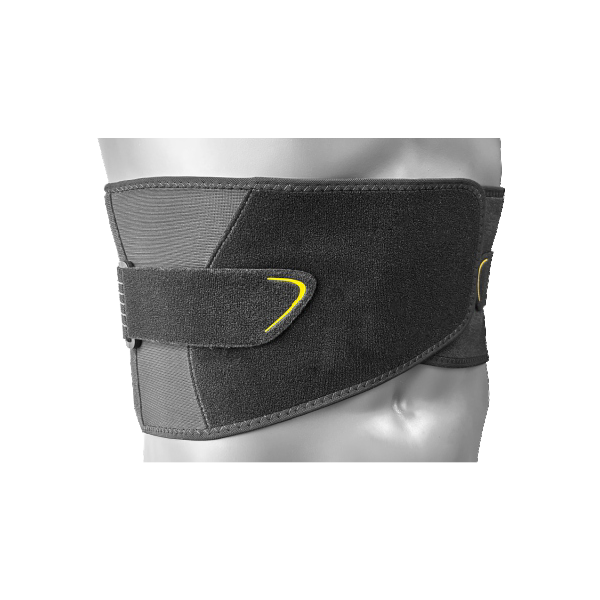
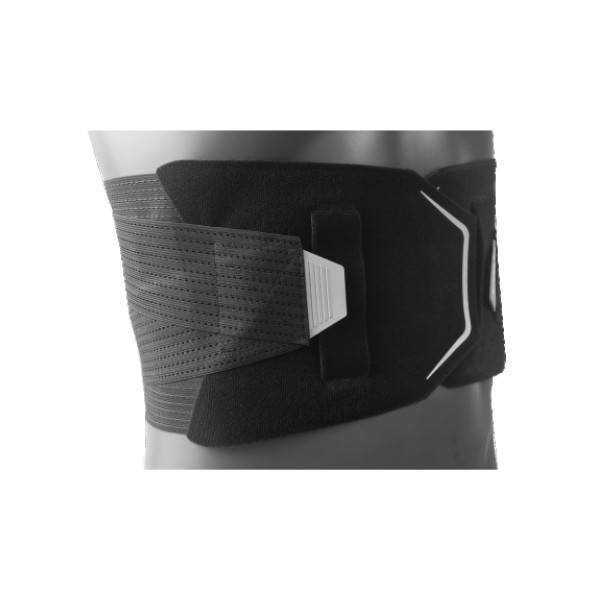
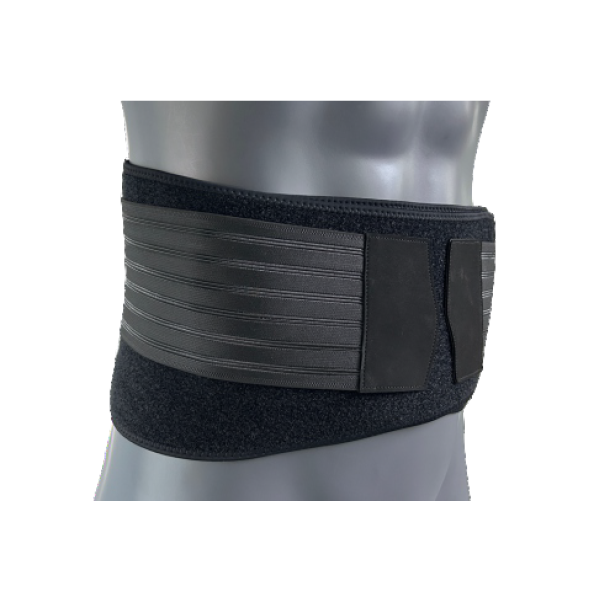
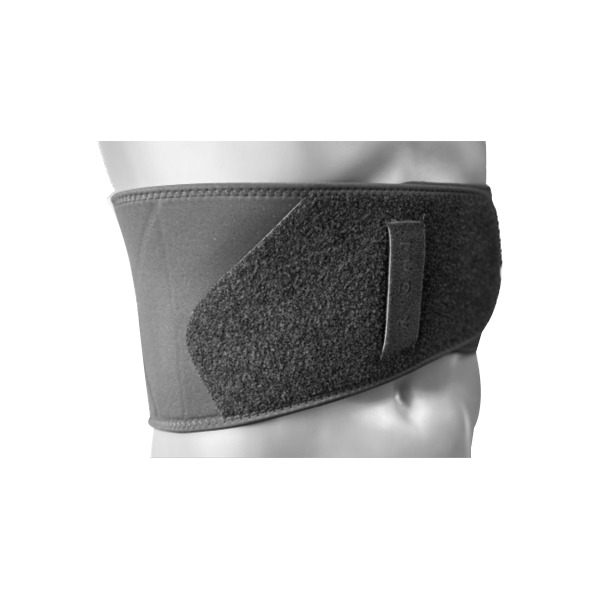
Complete Solutions for Spine and Core Support: Adjustable Breathable Waist Support, Medical Waist Braces
A complete spine-and-core support solution isn't about making the waist immobile—it's about helping the body stay aligned, controlled, and comfortable during the moments that challenge it most. For many people, those moments include long hours of sitting, repetitive lifting, recovery after a strain, or returning to activity after back discomfort. Adjustable, breathable waist supports and medical waist braces exist to bridge the gap between "pushing through" and "doing nothing," offering structured support that can be scaled to the user's needs.
Why spine and core support matters in daily life and recovery
The lumbar spine is designed to carry load while allowing motion—bending, rotating, and stabilizing under changing forces. The core muscles (abdominals, obliques, diaphragm, pelvic floor, and back muscles) provide the active stability that makes those movements efficient. When the system is tired, irritated, or recovering, common problems show up:
- Difficulty maintaining posture during prolonged sitting or standing
- Discomfort with lifting, bending, or twisting
- A "weak" or unstable feeling through the trunk
- Guarded movement that limits normal activity
A waist support or brace does not "replace" the core, but it can reduce stress, improve body awareness, and support better mechanics while a person rebuilds tolerance and strength.
Two categories: adjustable breathable waist supports vs. medical waist braces
People tend to use these names interchangeably, but they usually refer to different product types with different support targets.
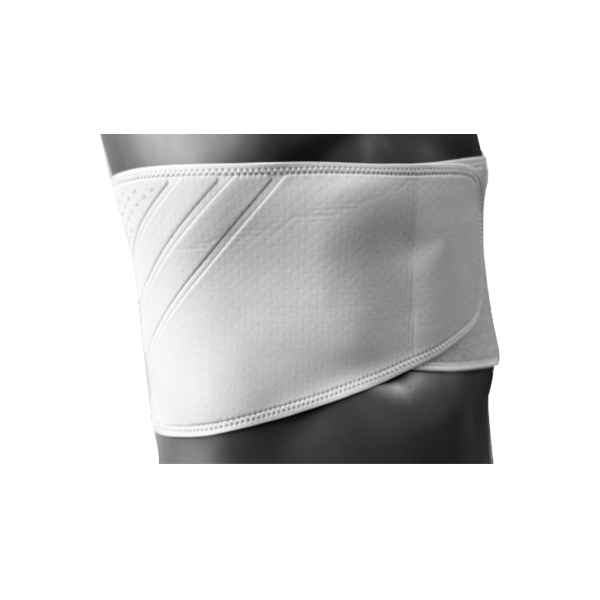
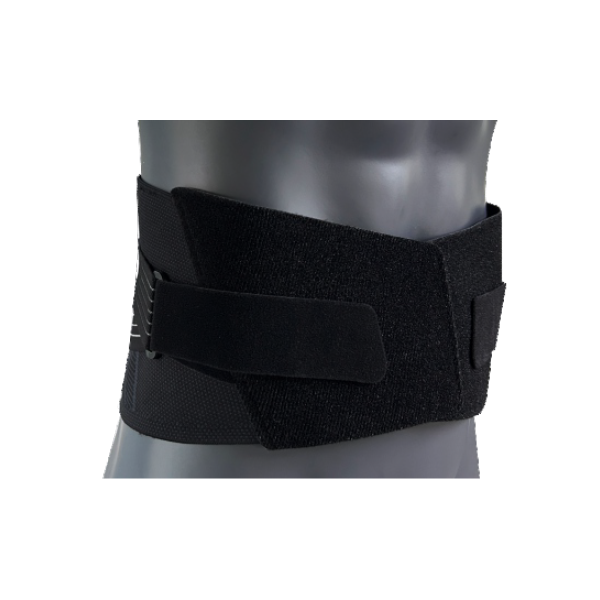
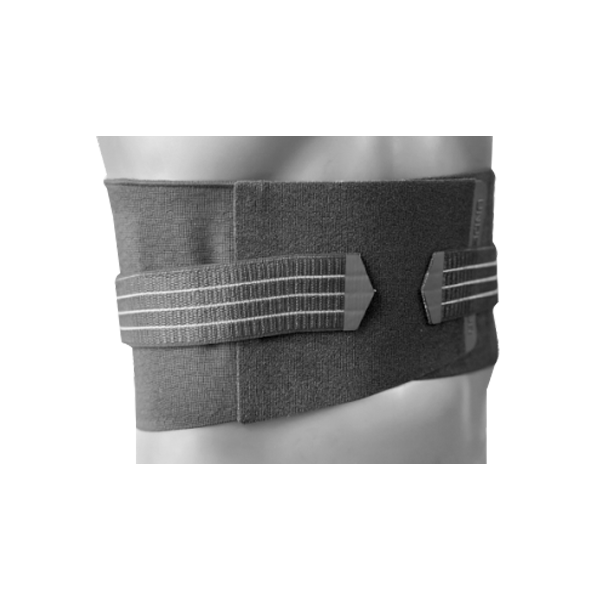
Adjustable, breathable waist supports (everyday functional support)
These are intended for comfortable, flexible support that won't feel heavy or restrictive. They typically include:
- Elastic or knitted fabrics that adapt to the body's shape
- Adjustable straps/closures to fine-tune compression
- Little or no rigid reinforcement to keep movement natural
They're often chosen for daily wear, exercise, light work protection, and mild lower-back tiredness.
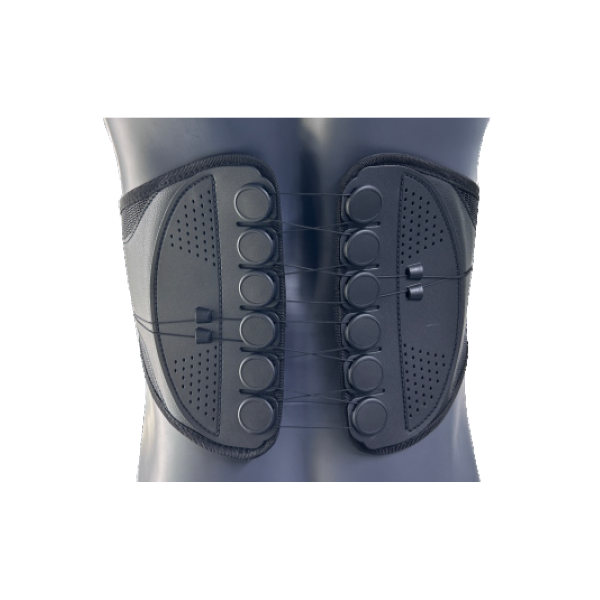
Medical waist braces (higher-stability support)
These are designed for more pronounced lumbar stabilization and a firmer, more structured feel. They commonly feature:
- Reinforcing stays (plastic, metal, or spring steel)
- Wider back panels to increase coverage and support
- Stronger compression with better shape-holding performance
They're typically used when higher support is needed, such as during recovery, demanding physical tasks, or when professional advice suggests limiting excessive lumbar motion.
What "adjustable" should mean in a serious waist brace
Adjustment isn't just a convenience feature; it's what makes support usable across a real day. Swelling, muscle fatigue, activity changes, and posture shifts all affect how a brace feels.
A good adjustable system should allow:
- Controlled compression: enough to feel supported without restricting breathing
- Stable positioning: the brace stays centered and doesn't ride up or roll
- Quick changes: loosen when sitting, tighten before lifting or activity
- Even pressure: support feels distributed, not concentrated in one "hot spot"
In practice, the best experience comes from braces that let you "dial in" tension—firm for demanding moments, comfortable for longer wear.
Why breathability is a performance feature (not marketing)
A waist brace that traps heat and moisture often gets removed early—meaning support disappears when it's needed. Breathability improves compliance and comfort, particularly for:
- Warm climates or summer work conditions
- High-movement jobs
- Workouts and sports training
- Long wear during travel or desk work
Breathable constructions typically use mesh, ventilated elastic fabrics, or engineered knits that balance airflow with compression. The goal is simple: less heat buildup, less skin irritation, more consistent wear time.
How waist supports and braces help: the real-world mechanisms
Waist supports generally help in three ways:
- Compression and load distribution
- Compression can reduce the feeling of strain and provide a more "contained" trunk, especially during repetitive tasks.
- Movement awareness (proprioception)
- Many users move more carefully and maintain better alignment when they can physically feel the brace, which can reduce irritating positions.
- Mechanical reinforcement (in medical braces)
- Support stays can help limit excessive lumbar motion and maintain a more stable posture during demanding activities.
It's important to keep expectations realistic: a brace can support the system, but long-term resilience comes from restoring strength, mobility, and movement confidence.
Choosing the right solution: match support level to your scenario
A complete solution means selecting the lightest support that reliably meets the need.
Choose a breathable adjustable waist support if you want:
- Everyday comfort during light activity
- Posture support for desk work or travel
- Mild support during exercise or walking
- A low-bulk option for longer wear
Choose a medical waist brace if you need:
- Stronger stabilization during lifting or long shifts
- More control during recovery phases
- Reinforced structure that holds shape under load
- A more secure, "locked-in" feel
If symptoms are severe, persistent, or associated with numbness, weakness, fever, or bowel/bladder changes, brace selection should be guided by a clinician.
Best practices: how to use a waist brace effectively
A brace is most effective when it's used purposefully and supported by good movement habits.
- Dial in the fit: snug and stable, without pain, pinching, or any effect on normal breathing.
- Adjust for the situation: tighten for lifting and active periods; loosen for sitting, breaks, and comfort.
- Keep the core engaged: continue gentle mobility and strengthening so your muscles keep building capacity.
- Reduce reliance gradually: as stability improves, use the brace less instead of wearing it automatically.
A simple guideline: the brace should make safe mechanics easier—not make your body dependent on it.
Effective spine and core support comes down to three things: a precise fit, comfortable airflow, and the right amount of structure for the task at hand. Steriger designs waist supports that can be adjusted to feel secure without feeling restrictive, making them practical for extended wear. For day-to-day activity, a breathable, adjustable support offers steady assistance while still allowing natural movement. When higher stability is needed—during heavier work demands or more controlled recovery—a medical waist brace provides firmer guidance and added confidence. The strongest outcomes come from choosing the appropriate support level and combining it with gradual strengthening and consistent, well-managed movement.
Essential FAQs About This Waist Brace: Get The Answers You Need
Can a Waist Brace Prevent Injuries During Heavy Lifting?
- A waist brace may lower risk by improving trunk stability and reinforcing safer form, but it cannot guarantee injury prevention. Proper technique, appropriate load, and good conditioning still matter most.
Is This Waist Brace Suitable for Both Men and Women?
- Yes. Most waist braces are unisex and fit is determined by measurements and adjustability rather than gender. Use the sizing guide to select the correct range.
Can I Wear a Waist Brace While Exercising?
- Yes for activities where extra support is helpful. It should not be tightened to the point that it limits breathing or normal movement, and it shouldn't replace progressive core strengthening.
Can This Brace Be Worn Under Clothing?
- Often, yes. Slimmer designs typically layer better under clothing, though comfort depends on fabric thickness, garment fit, and how much you move during the day.
Is This Waist Brace Suitable for Rehabilitation After Injury?
- It can be useful as short-term support during recovery, especially for daily tasks, while you rebuild strength and mobility. For specific injuries or post-surgical use, follow a clinician's guidance on timing and wear duration.
Can Children or Teenagers Use a Waist Support Brace?
- Only with medical supervision. Because bodies are still developing, correct fit and appropriate wear time should be determined by a healthcare professional.
Does It Help With Sciatica or Nerve-related Back Pain?
- It may reduce discomfort for some people by improving posture and decreasing mechanical stress, but it does not address the underlying nerve cause. Seek medical evaluation if symptoms radiate, include numbness or weakness, or do not improve.
Will Wearing a Waist Brace Cause Skin Irritation?
- Most users do fine, but irritation can occur from heat, sweat, friction, or sensitivity. Keep skin dry, ensure a smooth fit, avoid over-tightening, and discontinue use if rash or worsening pain develops.
Can I Combine the Waist Brace With Other Back Support Tools?
- In many cases, yes—especially alongside physiotherapy, strengthening, mobility work, and ergonomic improvements. Avoid layering supports in a way that creates pressure points or excessive restriction, and follow clinical advice for medical conditions.

 English
 Español
 Deutsch
 عربى
عربى Français