The Role of Adjustable Wrist Support Braces in Reducing Fatigue for Office Workers and Labor-Intensive Jobs
As one of the most frequently used joints in daily life, the wrist constantly bears pressure in various scenarios: office workers place continuous strain on their wrists while typing or using a mouse for long periods; construction workers put heavy loads on their wrists when moving equipment; and manufacturing workers repeatedly flex and extend their wrists during assembly and packaging. In these situations, maintaining incorrect posture or lacking proper protection for extended periods can easily lead to ligament and tendon strain, nerve compression, and resulting soreness, discomfort, and chronic pain. In severe cases, it may even cause long-term damage, affecting work and daily life.
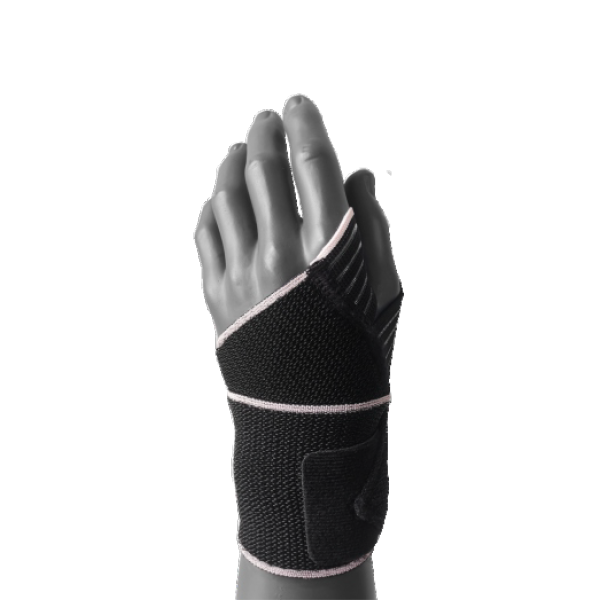
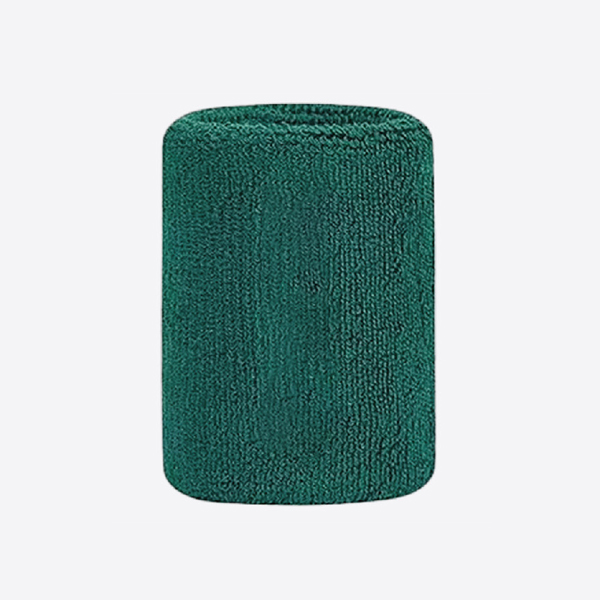
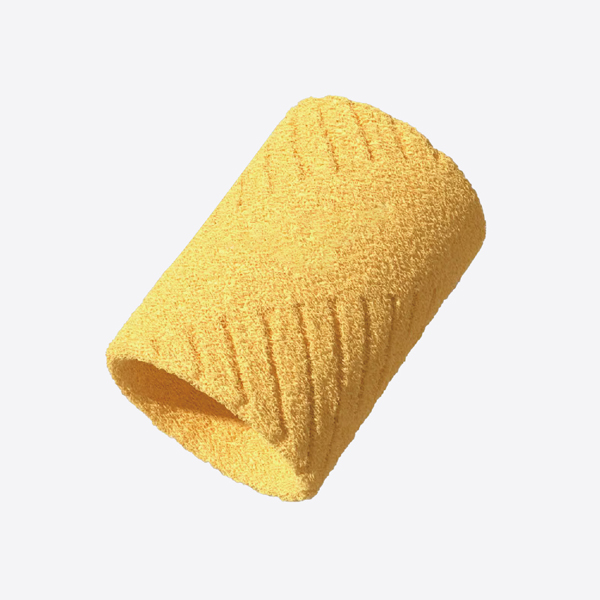
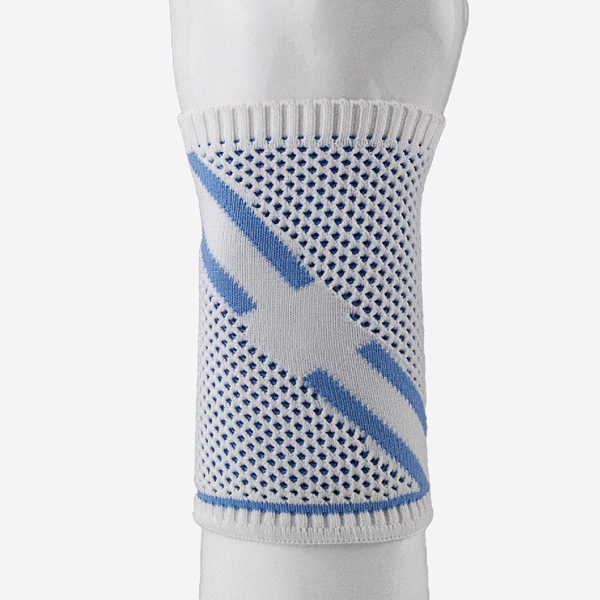
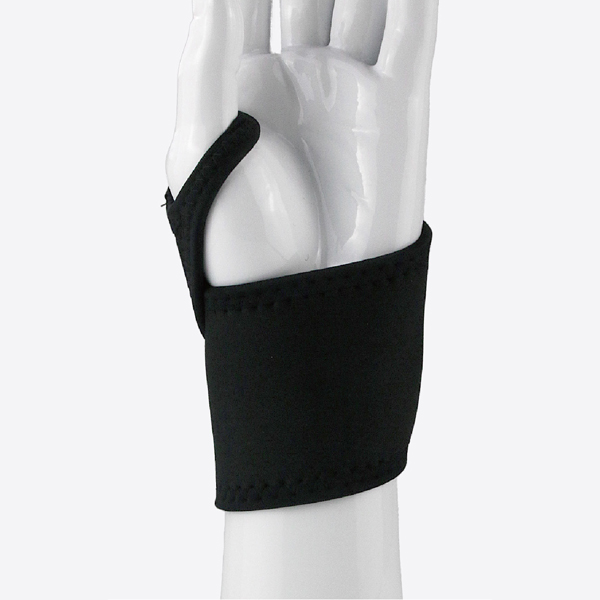
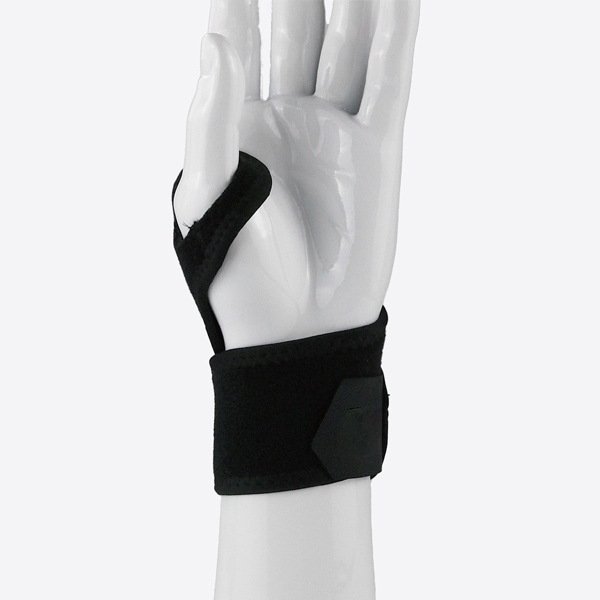
Therefore, a high-quality wrist brace becomes a crucial protective barrier. Our wrist braces are designed with the core concept of “stabilizing the joint and protecting vulnerable structures.” Through scientific tailoring and highly elastic support materials, they distribute wrist pressure, correct poor posture, and prevent injuries in daily life; reduce wrist burden and relieve soreness when mild discomfort appears; and provide gentle support during the recovery phase to aid in the healing of damaged tissues. Whether for specialized protection required by certain occupations or basic support during daily activities and sports, our wrist braces can precisely meet your needs, making every wrist movement safer and more comfortable.
What Causes Wrist Fatigue in Different Work Environments?
Wrist Fatigue in Office Workers
For office employees, wrist strain develops gradually through repetitive micro-movements and improper workstation ergonomics. Typing, scrolling, and clicking may seem harmless, but when performed for hours each day with the wrist suspended in the air, they steadily overload the tendons and soft tissues.
Key factors contributing to wrist fatigue include:
- Constant typing and mouse use
- Repetitive motion places continuous tension on the extensor and flexor tendons, accelerating fatigue during long work sessions.
- Poor desk posture and ergonomics
- A keyboard that is too high, a mouse placed too far away, or a chair that lacks proper arm support forces the wrist into awkward angles that increase strain.
- Early symptoms of overuse
- Tingling, mild stiffness, soreness, and decreased hand strength are common early signs that the wrist tendons are inflamed and struggling to recover.
Without proper support or posture correction, these symptoms may progress into chronic repetitive strain injuries, including tendonitis or early carpal tunnel syndrome.
Wrist Fatigue in Labor-Intensive Jobs
Workers in construction, manufacturing, logistics, and other physically demanding fields experience wrist fatigue for entirely different reasons. Instead of small repetitive motions, they're exposed to high-impact loads and repetitive force.
Primary causes include:
- Repetitive gripping, lifting, and twisting
- These actions place heavy mechanical load on the wrist joint and surrounding muscles, especially during long shifts.
- High weight and force applied through the wrist
- Lifting tools, carrying materials, and supporting weight repeatedly can fatigue wrist stabilizer muscles faster than they can recover.
- Vibration from tools and machinery
- Power tools such as drills, saws, and grinders transfer vibration directly into the wrist and forearm, increasing joint stress and accelerating fatigue and inflammation.
Workers exposed to these conditions are at a higher risk of developing sprains, tendon irritation, and long-term joint discomfort, especially without protective support.
How Adjustable Wrist Braces Help Reduce Fatigue
Adjustable wrist braces are designed to provide more than just comfort—they actively support the wrist joint, helping to reduce fatigue and prevent long-term injury. By combining stabilization, compression, and ergonomic alignment, these braces allow wrists to function efficiently under both repetitive and high-load conditions.
Provides Targeted Stabilization
- One of the primary benefits of adjustable wrist braces is their ability to maintain the wrist in a neutral, anatomically correct position. By limiting unnecessary or harmful movements, the brace prevents strain on ligaments and tendons. This stabilization not only reduces immediate fatigue but also protects the joint from progressive wear and micro-injuries caused by repetitive motion or excessive bending.
Supports Tendons and Muscles
- Adjustable wrist braces provide gentle compression that supports the tendons and muscles surrounding the wrist. This compression improves endurance during repetitive tasks, such as typing or manual labor, and helps reduce tension buildup in overworked soft tissues. Over time, this support can enhance overall joint resilience and prevent discomfort associated with prolonged activity.
Enhances Blood Circulation
- The compressive design of wrist braces also contributes to improved blood flow. Increased circulation helps reduce inflammation and swelling, particularly in cases of repetitive strain or minor injuries. By promoting better blood flow, adjustable wrist braces accelerate recovery during short breaks and allow muscles and tendons to perform more efficiently throughout the day.
Prevents Overuse Injuries
- Wearing an adjustable wrist brace consistently can significantly lower the risk of overuse injuries. Conditions such as carpal tunnel syndrome, tendonitis, and sprains often develop from continuous strain on an unsupported wrist. By stabilizing the joint, distributing pressure, and maintaining proper alignment, these braces provide a protective barrier that helps keep the wrist healthy during both work and leisure activities.
Key Features of an Effective Adjustable Wrist Brace
- Adjustable Compression
- Allows users to set the level of support according to activity or discomfort.
- Helps relieve strain, improve circulation, and reduce swelling.
- Supports recovery from injuries like sprains, tendonitis, and repetitive strain.
- Breathable and Comfortable Materials
- Made with moisture-wicking fabrics to prevent overheating.
- Lightweight and skin-friendly for long-term wear.
- Keeps wrists dry and comfortable during extended use.
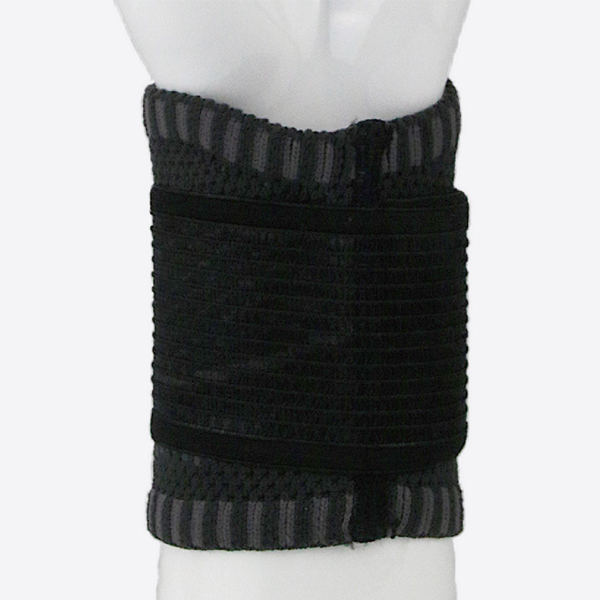
- Secure Strap System
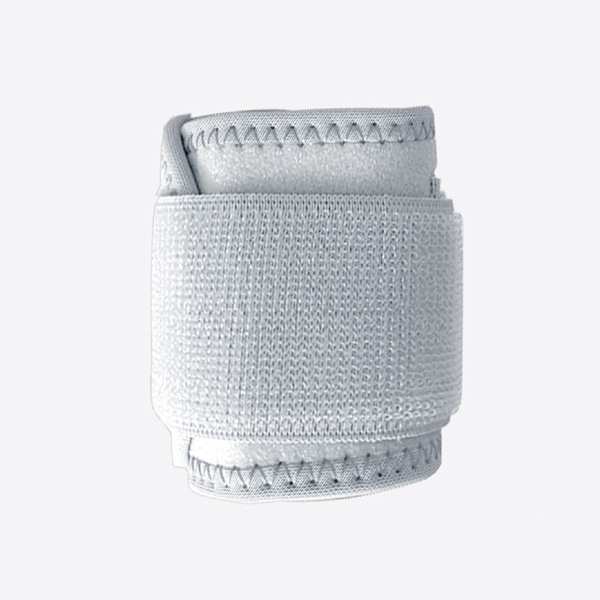
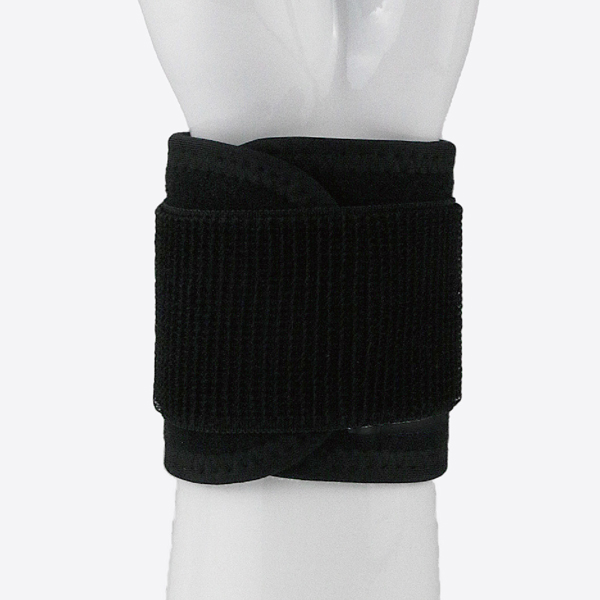
- Adjustable Velcro or hook-and-loop closures ensure a firm, customized fit.
- Prevents the brace from slipping or loosening during activity.
- Provides consistent support for both repetitive tasks and high-load movements.
- Slim and Low-Profile Design
- Fits easily under clothing, gloves, or work gear.
- Allows natural wrist movement while maintaining stability.
- Suitable for long hours of wear without feeling bulky.
- Durable Construction
- Reinforced stitching and high-quality materials for everyday use.
- Withstands repeated stress, heavy workloads, and prolonged wear.
- Ensures long-lasting performance and reliable wrist protection.
1. Benefits for Office Workers
Office workers spend long hours typing, clicking, and using a mouse, which can lead to wrist discomfort, fatigue, and early-stage repetitive strain injuries. Wearing an adjustable wrist brace provides multiple benefits in this environment:
- Reduces Discomfort During Typing and Mouse Work
- By stabilizing the wrist joint and providing gentle compression, the brace alleviates soreness and minimizes tension in the tendons and muscles.
- Encourages Proper Wrist Posture
- Keeping the wrist in a neutral position prevents overextension and strain, promoting ergonomic alignment at the desk and reducing the risk of long-term injury.
- Minimizes Stiffness During Long Work Sessions
- Continuous support allows wrists to maintain mobility while avoiding fatigue, even during extended periods of typing or repetitive computer tasks.
2. Benefits for Labor-Intensive Workers
Workers in construction, manufacturing, warehousing, or other physically demanding fields place high mechanical loads on their wrists daily. Adjustable wrist support provide protection and support for these demanding activities:
- Provides Joint Protection During Lifting and Tool Handling
- Stabilizing the wrist reduces the risk of ligament and tendon strain when gripping, lifting, or manipulating tools.
- Helps Maintain Stability Under Heavy Strain
- Adjustable compression ensures the joint remains secure during repetitive or high-load tasks, improving control and reducing the chance of sudden injury.
- Prevents Fatigue from Repetitive Force and Vibrations
- Braces absorb some of the stress from vibrations and repetitive movements, lessening cumulative wear on the wrist and promoting longer endurance throughout the workday.
Why Employees and Employers Should Consider Wrist Braces
- Reduces Downtime Due to Injuries
- Wrist braces help prevent overuse injuries such as tendonitis, sprains, and carpal tunnel syndrome. By stabilizing the joint and reducing strain, employees are less likely to require time off for recovery.
- Enhances Productivity
- Supporting the wrist reduces discomfort and fatigue, allowing employees to maintain efficiency during repetitive tasks, heavy lifting, or prolonged computer work.
- Supports Long-Term Joint Health and Comfort
- Consistent use of wrist braces helps maintain proper alignment, prevent chronic issues, and improve endurance, ensuring employees can work comfortably over the long term.
Why Choose Adjustable Wrist Braces Supports from Steriger
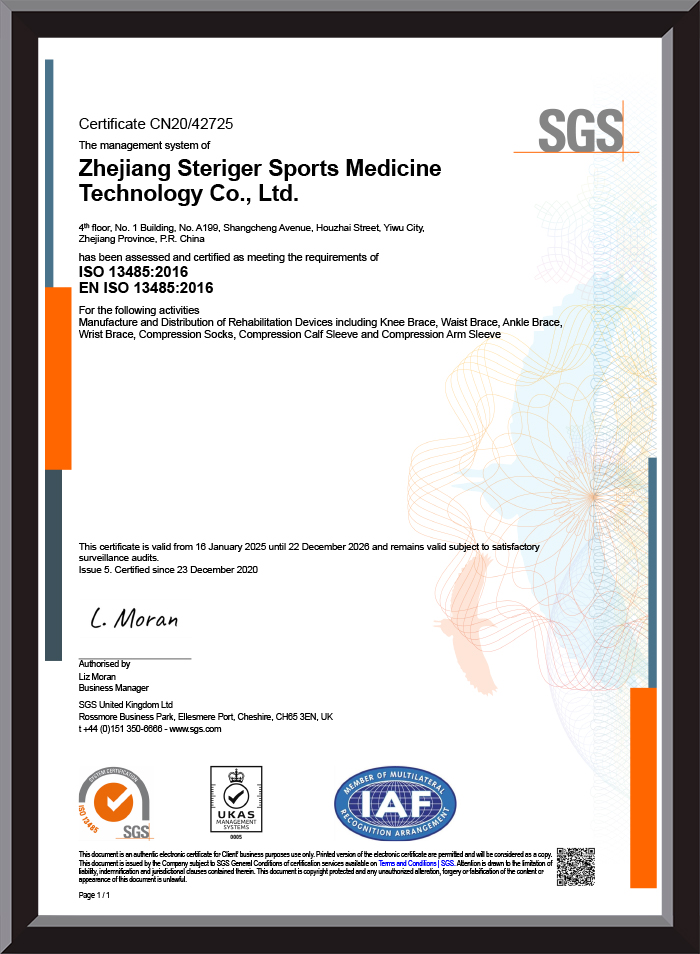
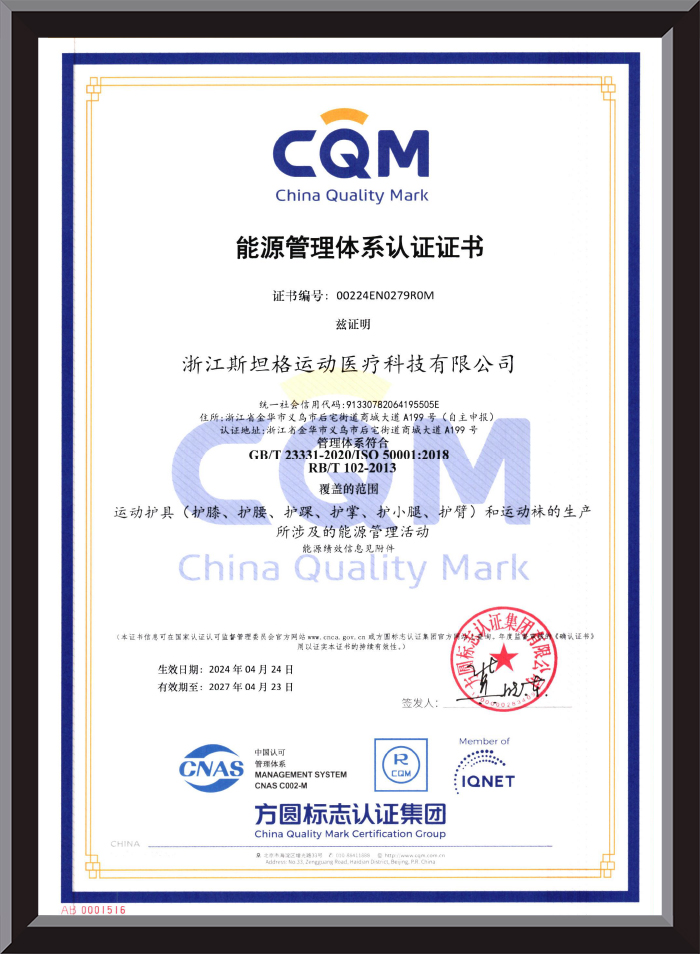
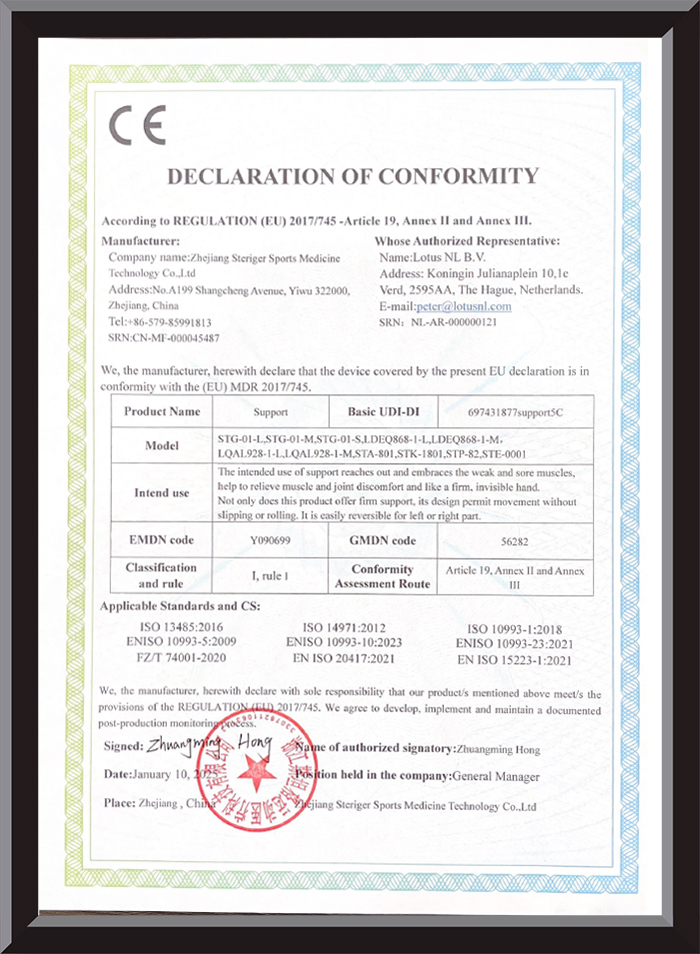
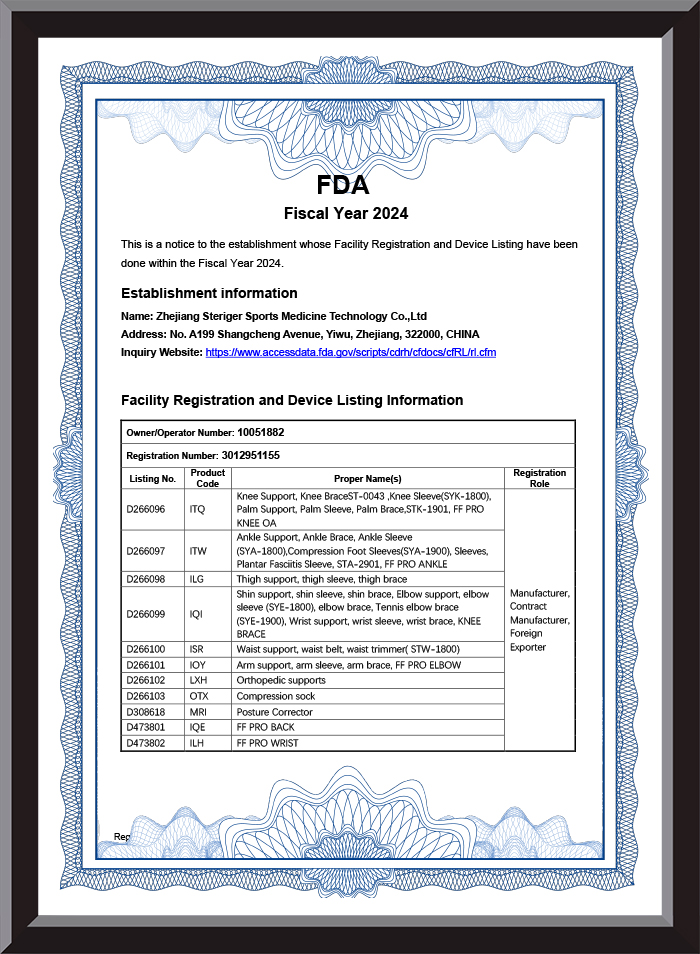
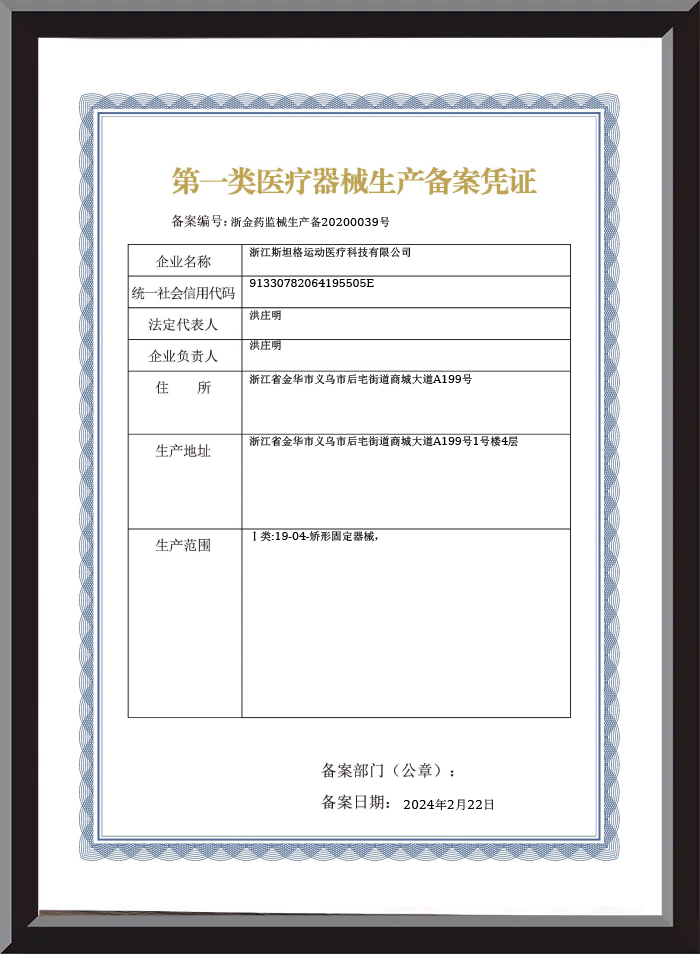
Steriger is a China-based manufacturer specializing in medical-grade wrist braces and orthopedic support products designed for both injury recovery and preventive care. With years of experience in ergonomics and industrial support solutions, Steriger delivers professional-quality wrist braces suitable for office, industrial, and medical applications.
Key Advantages of Steriger Adjustable Wrist Braces:
- Advanced Materials and Ergonomic Designs
- Our wrist braces are made from durable, breathable fabrics and feature adjustable straps for a customized fit. Ergonomic designs provide optimal support without restricting movement.
- Wide Range of Wrist Support Solutions
- Steriger offers a comprehensive selection of wrist braces, splints, and supports, catering to employees in different industries and individuals with varying wrist conditions.
- Trusted Supplier for Industrial and Office Use
- As an OEM and bulk supplier, Steriger provides fully customizable wrist braces for medical device companies, healthcare wholesalers, and corporate buyers seeking reliable wrist protection products.
Tips for Using a Wrist Support Brace Correctly
How Tight Should a Wrist Brace Be?
A wrist brace should provide firm support without cutting off circulation.
- Firm but Comfortable: The brace should stabilize the wrist and limit harmful movements while allowing some natural flexibility.
- Avoid Excessive Tightness: Overly tight braces can cause numbness, tingling, or restricted blood flow.
- Check Fit Regularly: Adjust straps or Velcro closures throughout the day if swelling occurs during prolonged use.
When to Wear a Wrist Brace
Timing and context are crucial for effective wrist support:
- During Work Hours: Wear the brace during repetitive tasks such as typing, mouse use, assembly, or lifting to reduce fatigue and prevent strain.
- For Repetitive Activities: Use the brace during extended computer use, prolonged writing, or heavy manual work.
- During Recovery: For injured wrists, wear the brace as recommended by a medical professional to support healing and prevent re-injury.
Common Mistakes to Avoid
Even a high-quality wrist brace can be ineffective if worn incorrectly. Common errors include:
- Wearing Too Loosely: A loose brace may slip or fail to stabilize the wrist, reducing its protective effect.
- Wearing Too Tightly: Over-tightening can cause discomfort, numbness, or circulation issues.
- Overuse: Wearing a brace constantly without breaks can weaken wrist muscles. Use the brace as a support tool rather than a replacement for strength.
- Ignoring Proper Posture: A brace supports the wrist but cannot compensate for poor ergonomics. Maintain correct hand and arm positioning while working.
Using a wrist brace correctly maximizes its protective and supportive benefits. Adjust for comfort, wear during repetitive or strenuous activities, and avoid common mistakes to maintain joint health, reduce fatigue, and support recovery. High-quality, adjustable wrist braces—like those offered by Steriger—provide the right balance of stabilization, flexibility, and comfort when used properly.
Frequently Asked Questions About Adjustable Wrist Support Braces
Who Should Consider Using a Wrist Support Brace?
- Office workers, factory workers, athletes, warehouse staff, and anyone experiencing wrist discomfort, weakness, or early signs of tendon strain.
Can a Wrist Brace Help Reduce Daily Wrist Fatigue?
- Yes. By minimizing excessive movement and supporting the tendons, a wrist brace reduces the effort required from your wrist muscles, lowering overall fatigue.
Is an Adjustable Wrist Brace Suitable for Office Workers?
- Absolutely. It helps maintain neutral wrist posture while typing or using a mouse, preventing strain during long hours of desk work.
Does a Wrist Brace Help With Carpal Tunnel Symptoms?
- It can help relieve pressure on the median nerve by keeping the wrist in a neutral position. Many people experience reduced numbness and discomfort.
Can I Wear a Wrist Support While Doing Manual Labor or Lifting?
- Yes. Adjustable braces offer stability and help prevent overextension during lifting, gripping, or tool operation.
Can I Wear a Wrist Support All Day?
- It's safe for daily wear during activities that strain the wrist. For long-term use, it's best to give your wrist short breaks to keep circulation optimal.
Can Wrist Braces Help Prevent Injuries?
- Yes. They reduce repetitive stress, stabilize the joint during high-load tasks, and lower the risk of strains and tendon injuries.
Is a Wrist Brace Support Helpful for Tendonitis or Overuse Injuries?
- Definitely. Compression and stabilization help reduce inflammation and support tendon healing.
Can I Wear a Wrist Support Brace While Sleeping?
- Some people do, especially if they sleep with their wrists bent. It can help maintain proper alignment, but use a soft brace for nighttime comfort.
Can I Wear the Brace Under My Clothing?
- Yes. Most adjustable wrist support braces, including Steriger models, are slim and low-profile enough to fit under sleeves.
How Do I Clean a Wrist Support Brace?
- Hand wash in cold water and air dry. Avoid heat, as it can damage the elastic fibers and Velcro.
Are Adjustable Wrist Support One-size-fits-most?
- Many are designed that way, thanks to flexible materials and strap systems. Always check the manufacturer’s sizing details for best fit.
Can Wrist Braces Help With Swelling?
- Yes. Compression improves circulation and reduces fluid buildup after repetitive strain or minor injury.
Is It Safe to Use a Wrist Brace During Workouts?
- Yes, especially for weightlifting, yoga, pilates, or any activity involving gripping, pushing, or balancing.
Can Teens or Younger Users Wear Wrist Support Braces?
- Yes, as long as the brace fits properly and isn't overly tight. It's common for teens involved in sports or heavy computer use.
How Long Until I Feel Relief After Wearing a Wrist Brace?
- Many people feel better within minutes to hours, especially when performing repetitive tasks. For injuries, improvement continues gradually with consistent use.
Where Can I Purchase Reliable Wrist Support Braces Support?
- You can find high-quality, ergonomic wrist support solutions directly from Steriger, a trusted manufacturer specializing in support braces for industrial and daily use.