Ankle Support&Braces Explained: When, Why, and How to Use Them for Lasting Relief
Ankle support and braces rarely get the spotlight, but they quietly solve a problem almost everyone meets sooner or later: the ankle is small, busy, and easy to upset. It absorbs force with every step, stabilizes you on uneven ground, and reacts fast when you cut, jump, or land. When it's irritated or unstable, even "simple" movement can feel unpredictable. That's where ankle supports come in—not as a magic fix, but as a practical tool for relief, protection, and confidence while you rebuild strength.
What ankle supports and braces are
An ankle support is any wearable device that adds compression, structure, or movement control around the ankle joint. Some are soft and stretchy. Others use straps, laces, or rigid stays to limit certain motions.
They aren't a substitute for rehab. Think of them like guardrails: helpful while you're healing or training, but not the road itself. Long-term comfort usually comes from a mix of appropriate support, progressive strengthening, and smart workload management.
When an ankle brace makes sense
You don't need a dramatic injury to benefit from support. Ankle braces are commonly useful in situations like:
- After a sprain or "rolled ankle"
- A prior sprain is one of the biggest predictors of another. A brace can reduce excessive motion and help you feel more stable while swelling settles and tissues recover.
- Repeated "giving way" or instability
- If your ankle feels wobbly on trails, during lateral sport movements, or even stepping off curbs, a brace can provide temporary control while you build balance and strength.
- High-risk activities or surfaces
- Basketball, volleyball, tennis, soccer, hiking on uneven terrain—any environment that demands fast direction changes or unstable footing can justify extra support, especially if you have a history of sprains.
- Tendon irritation or mild overuse pain
- Some people find that gentle compression and a secure fit reduce distraction and discomfort during activity. A brace can also help you stay consistent with training while you correct the underlying cause (like weak calves, poor footwear match, or sudden volume increases).
- Returning to sport or work
- Bracing can be a smart bridge between "not ready" and "fully back," particularly when your job requires long hours on your feet or unpredictable movement.
Why bracing helps: the real-world benefits
A well-chosen brace can help in a few practical ways:
- It limits the risky motions
- Most ankle sprains occur when the foot rolls inward (inversion) under load. Many braces reduce how far and how fast that roll can happen, especially during sudden cuts or landings.
- It improves proprioception
- Proprioception is your body's sense of joint position. A snug sleeve or brace gives extra sensory feedback, which can improve timing and control—particularly after injury.
- It reduces irritation from repetitive stress
- Compression can help some people feel less achy during long standing or repetitive training. It won't "fix" inflammation on its own, but it may reduce the constant reminders that change how you move.
- It boosts confidence
- This is underrated. If you're hesitant, you move differently—stiffer, slower, and sometimes more awkward. The right support can make movement feel safer while you rebuild trust in the joint.
Choosing the right type of ankle support
Not all braces do the same job. Matching the brace to your goal matters more than buying the "strongest" one.
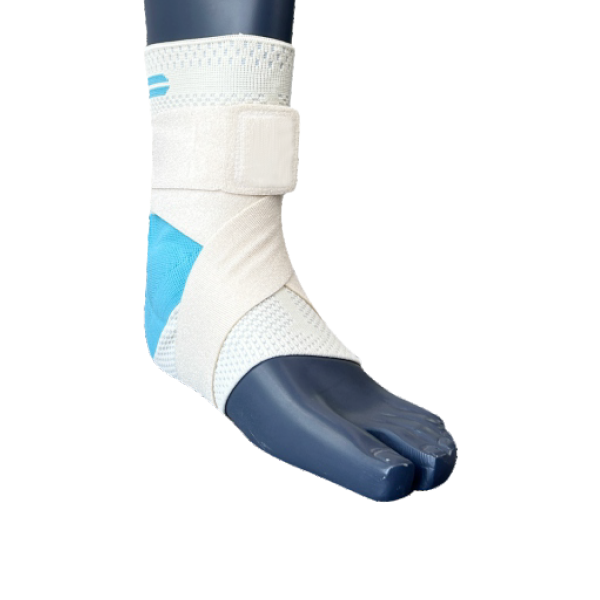
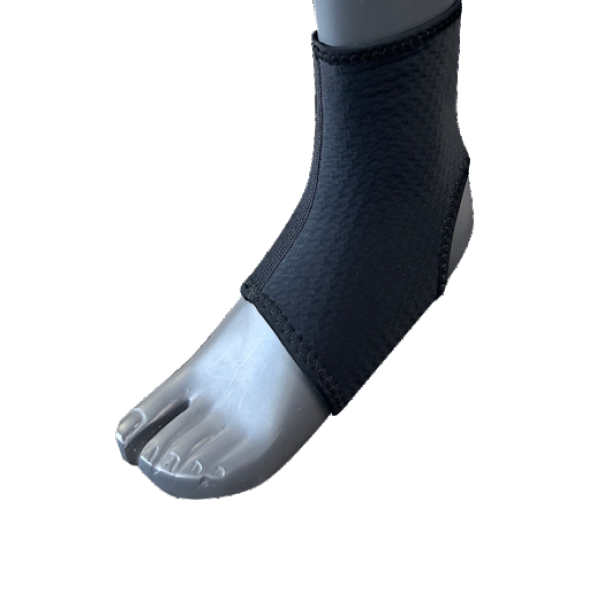
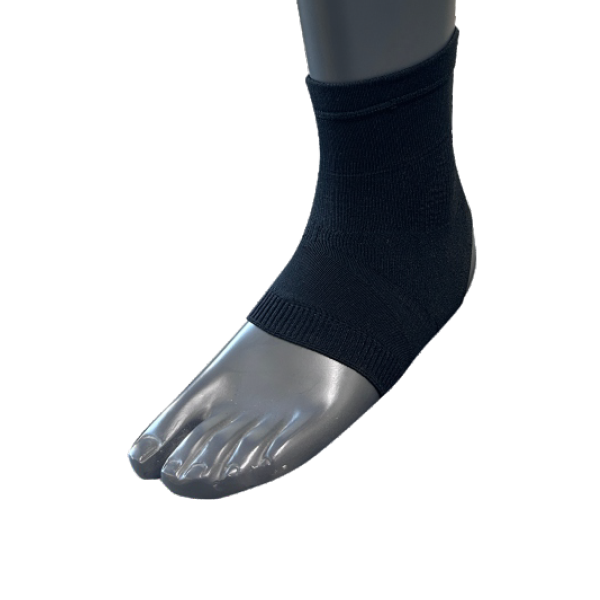
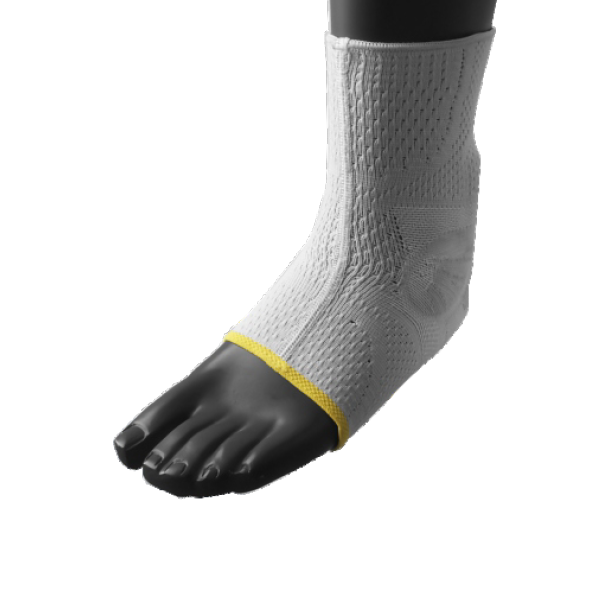
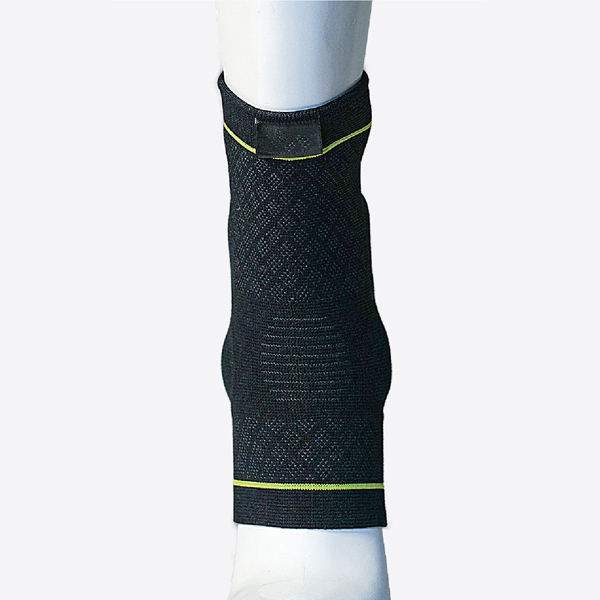
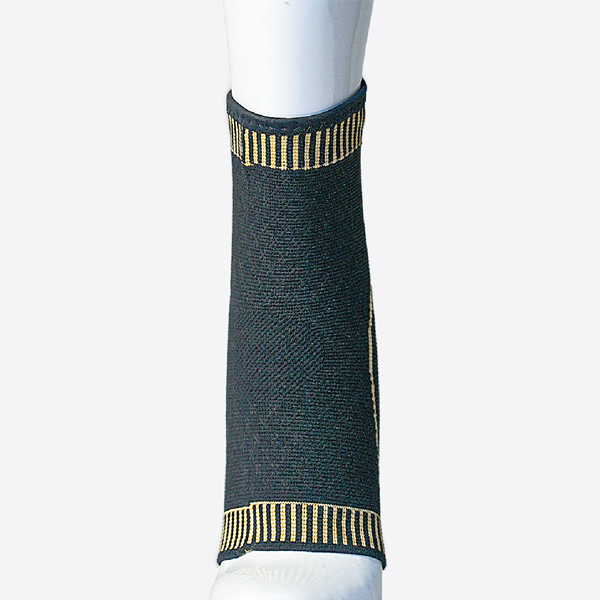
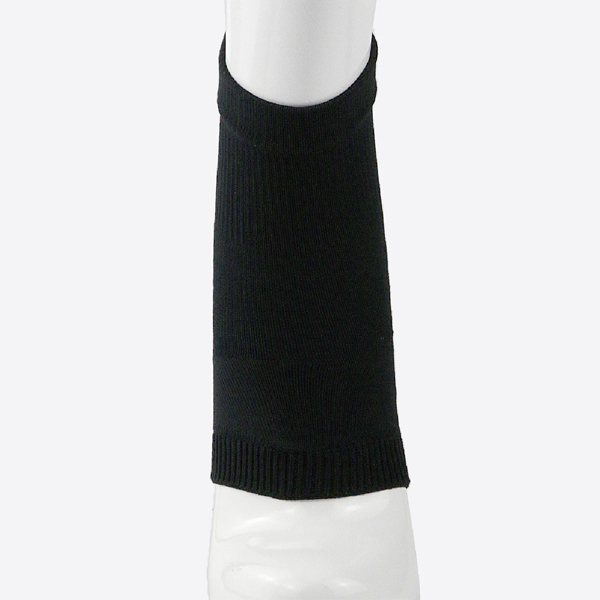
- Compression sleeves
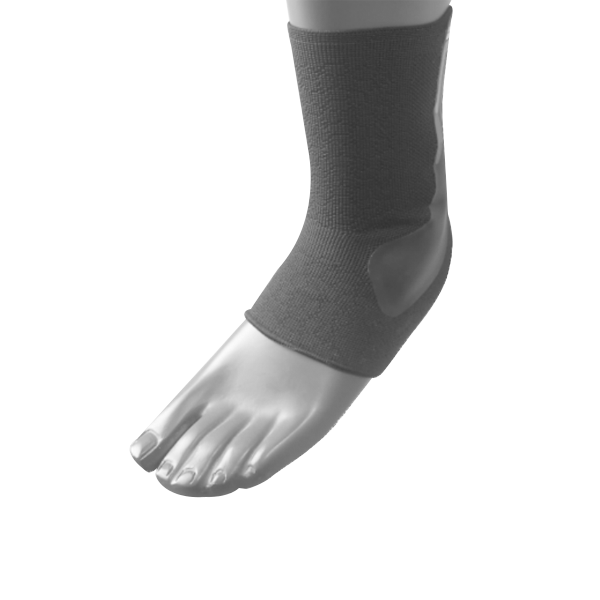
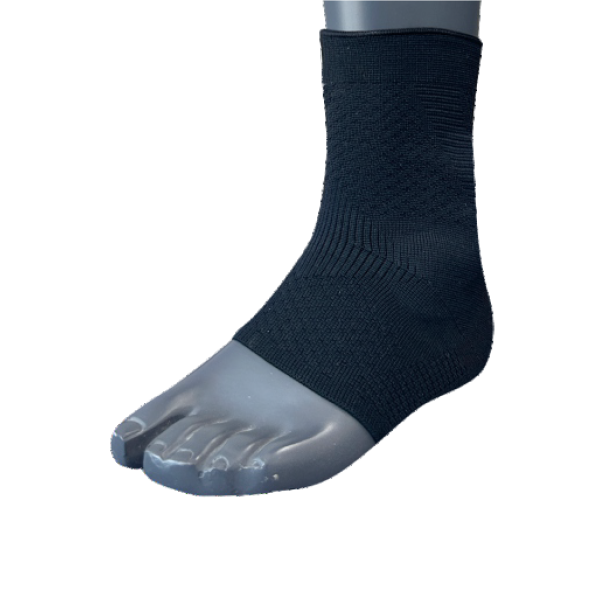
- Best for: mild soreness, light support, swelling management, everyday comfort.
- They're low-profile and fit easily in most shoes, but they don't strongly limit motion.
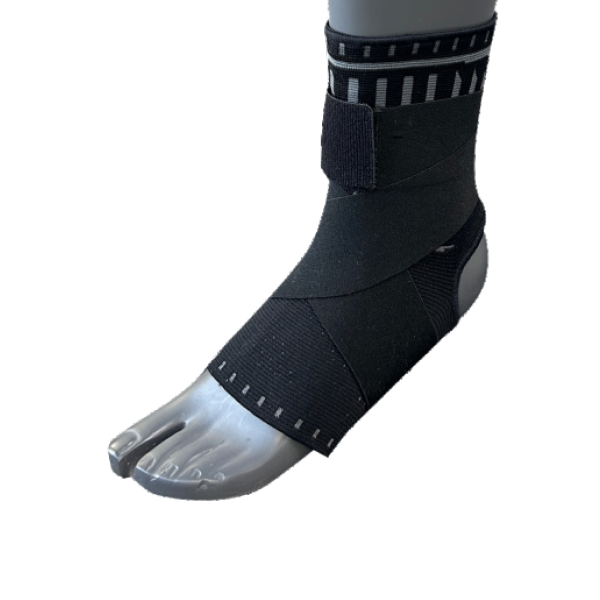
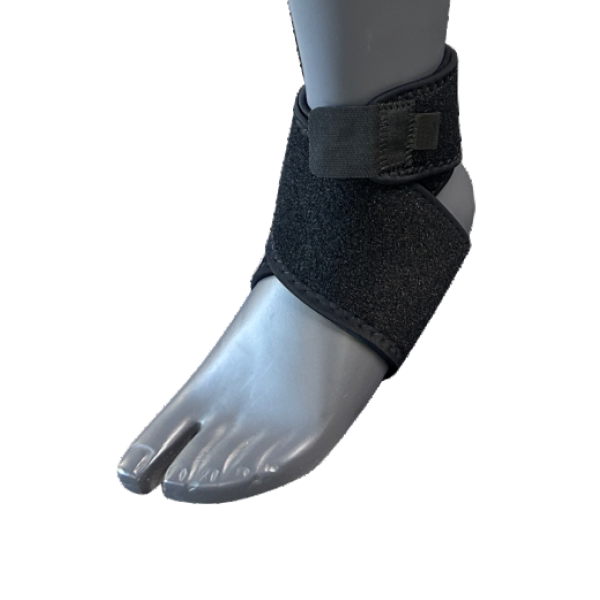
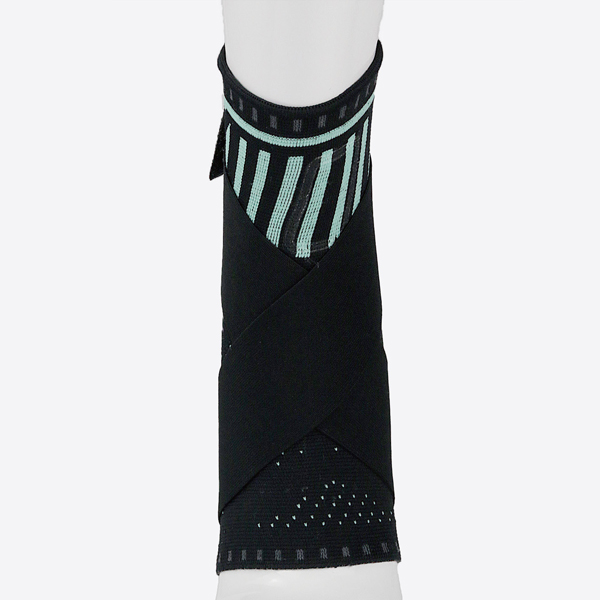
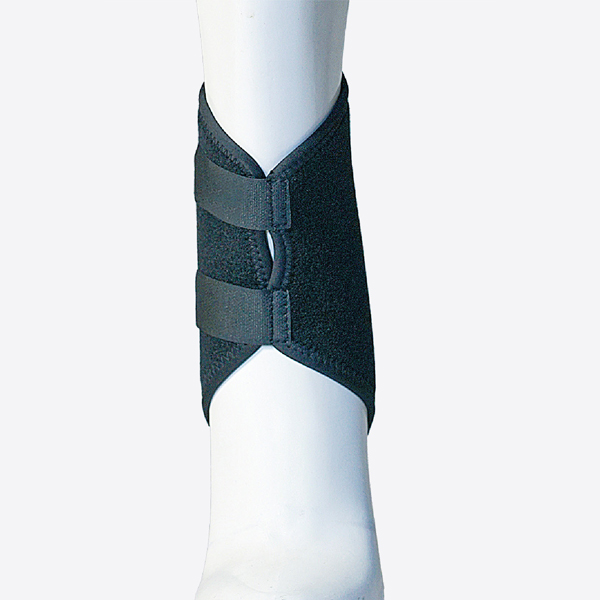
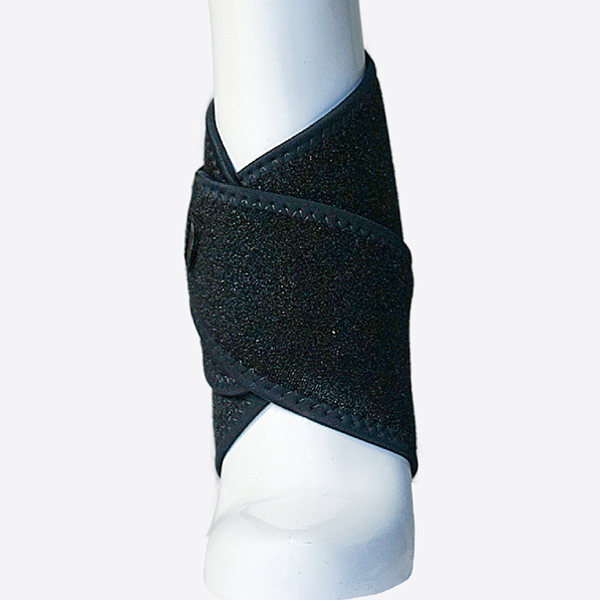
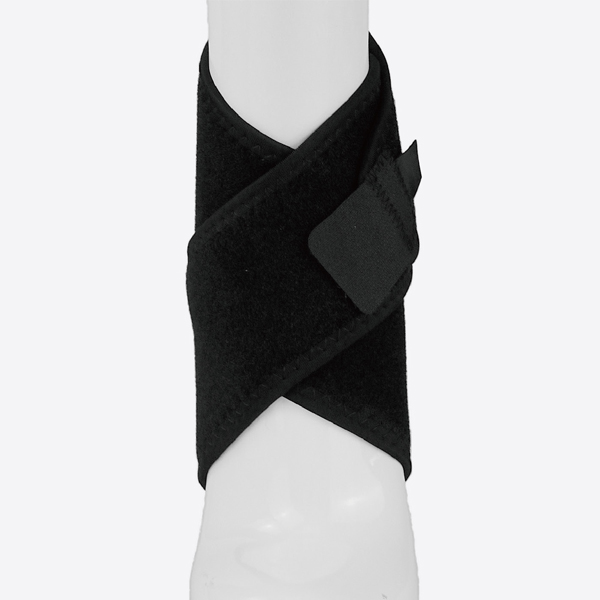
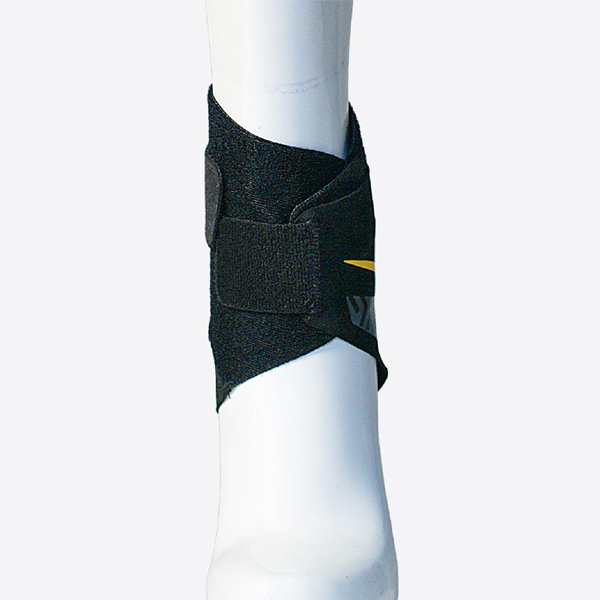
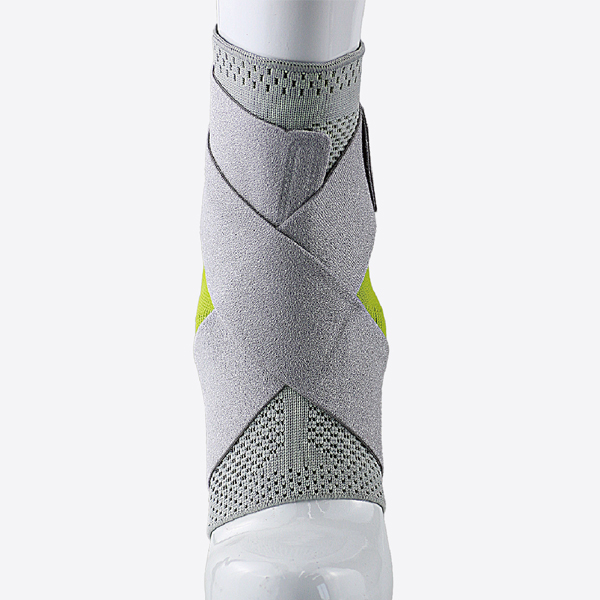
- Strap-style supports
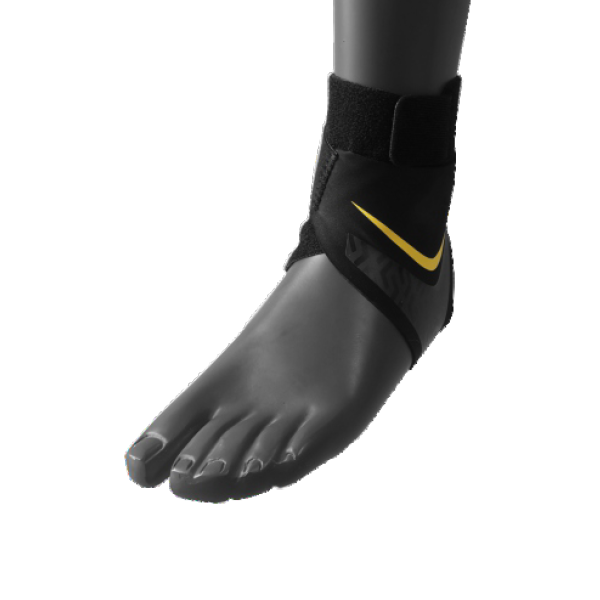
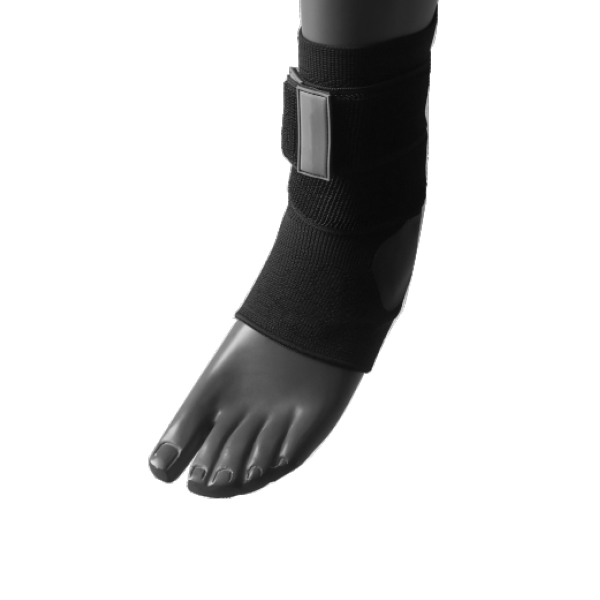
- Best for: moderate support during sport, mild instability, return-to-play phases.
- The straps mimic athletic taping and can add targeted control without being bulky.
- Lace-up braces
- Best for: higher support needs, frequent sprains, court sports.
- They restrict motion more than sleeves and often feel very secure, though they may require roomier footwear.
- Semi-rigid braces (stays or shells)
- Best for: significant instability, post-injury protection, higher-risk activity.
- They control motion the most, but they can feel bulkier and may not be ideal for every sport or shoe.
How to use ankle braces for lasting relief (without becoming dependent)
Relief that lasts usually comes from using a brace strategically, not indefinitely.
Wear it for the right moments, not all moments
Use the brace during high-risk activities: sport, long shifts, uneven terrain, or early rehab. If your ankle feels fine during low-risk daily movement, going without support can help restore normal muscle activation and balance.
Get the fit right
A brace should feel snug and stable, not numb, cold, or painfully tight. Watch for tingling, color changes in toes, or pressure points. If it slips, bunches, or pinches, it won't help—and it may create new problems like blisters.
Pair bracing with ankle rehab
If you want long-term improvement, combine bracing with a simple routine:
- Calf raises (straight-knee and bent-knee) to build strength in the calf and Achilles system
- Controlled ankle range-of-motion work, especially after swelling decreases
- Balance practice (single-leg stands, progress to unstable surfaces)
- Hip and glute strengthening, because ankle control often starts higher up the chain
- Consistency matters more than complexity.
Gradually taper support as control returns
As pain decreases and stability improves, reduce reliance: brace only for sport, then only for high-risk games, then keep it as a “tool in the bag” rather than a daily requirement.
Pay attention to footwear
A brace can't compensate for shoes that don't match the activity.
Ankle braces are most useful when you treat them like a smart backup, not a permanent crutch. The right support can help limit the motions that commonly trigger a re-sprain, sharpen your sense of joint position, and reduce nagging discomfort so you can move more naturally while you regain strength. Pick a brace that fits your sport, shoe, and stability needs, then use it for the highest-risk moments—games, trail runs, long shifts, or early return-to-training phases. Pair that protection with steady mobility, balance, and calf-strength work. Steriger ankle supports are built for this kind of practical, progress-focused use—relief now, resilience later.
Ankle Support & Braces — FAQ
Will an Ankle Brace Restrict My Movement?
- Some restriction is normal. Most braces limit risky twisting or rolling while still allowing comfortable walking and activity.
Can an Ankle Brace Help With Swelling or Inflammation?
- It can help manage swelling through gentle compression and support. It does not replace medical treatment for inflammation.
Is Ankle Support Useful for Sports and Exercise?
- Yes. Ankle support can improve stability and help reduce the risk of rolling the ankle during training or sports.
Can an Ankle Support Help With Chronic Ankle Pain or Instability?
- It may help by improving stability and reducing strain during daily activities. Ongoing symptoms should be evaluated by a professional.
Can I Wear an Ankle Brace Under Socks or Shoes?
- Yes, as long as it fits comfortably in your footwear and does not cause pressure, numbness, or rubbing.
Can I Use an Ankle Support During Rehabilitation?
- Yes. It is commonly used during rehab to provide stability while you restore strength and control.
Is an Ankle Support Suitable for Seniors or Arthritis Sufferers?
- Often yes. It can provide extra support and comfort, but fit and compression should be gentle and appropriate.
Can I Sleep With an Ankle Brace on?
- Generally not recommended unless a clinician advises it. If worn, it should not be tight or uncomfortable.
Are Ankle Supports Safe for Children and Teenagers?
- Usually yes with proper sizing and supervision. Persistent pain or repeated sprains should be assessed by a clinician.
Can Ankle Braces Prevent Re-injury After a Sprain?
- They can help reduce re-injury risk, especially during return to sport, but should be combined with rehab and strengthening.
Where Can I Buy Genuine Steriger Ankle Support Braces?
- You can purchase authentic Steriger ankle supports and braces directly from Zhejiang Steriger Sports Medicine Technology Co., Ltd. or through verified distributors and medical supply partners. Check official packaging to confirm authenticity.

 English
 Español
 Deutsch
 عربى
عربى Français